
Estimated reading time: 8 minutes
Approximately 1.7% of South Africa’s commercial potatoes are produced on 954 ha (2023/24 harvest year) located in the Southwestern Free State potato production region.
The main cultivars produced for commercial consumption (table and processing) are the region’s main harvest of Sifra (89%) followed by Mondial, Panamera, and Innovator. Petrusburg is located in South
Africa’s dry continental area (Figure 1).
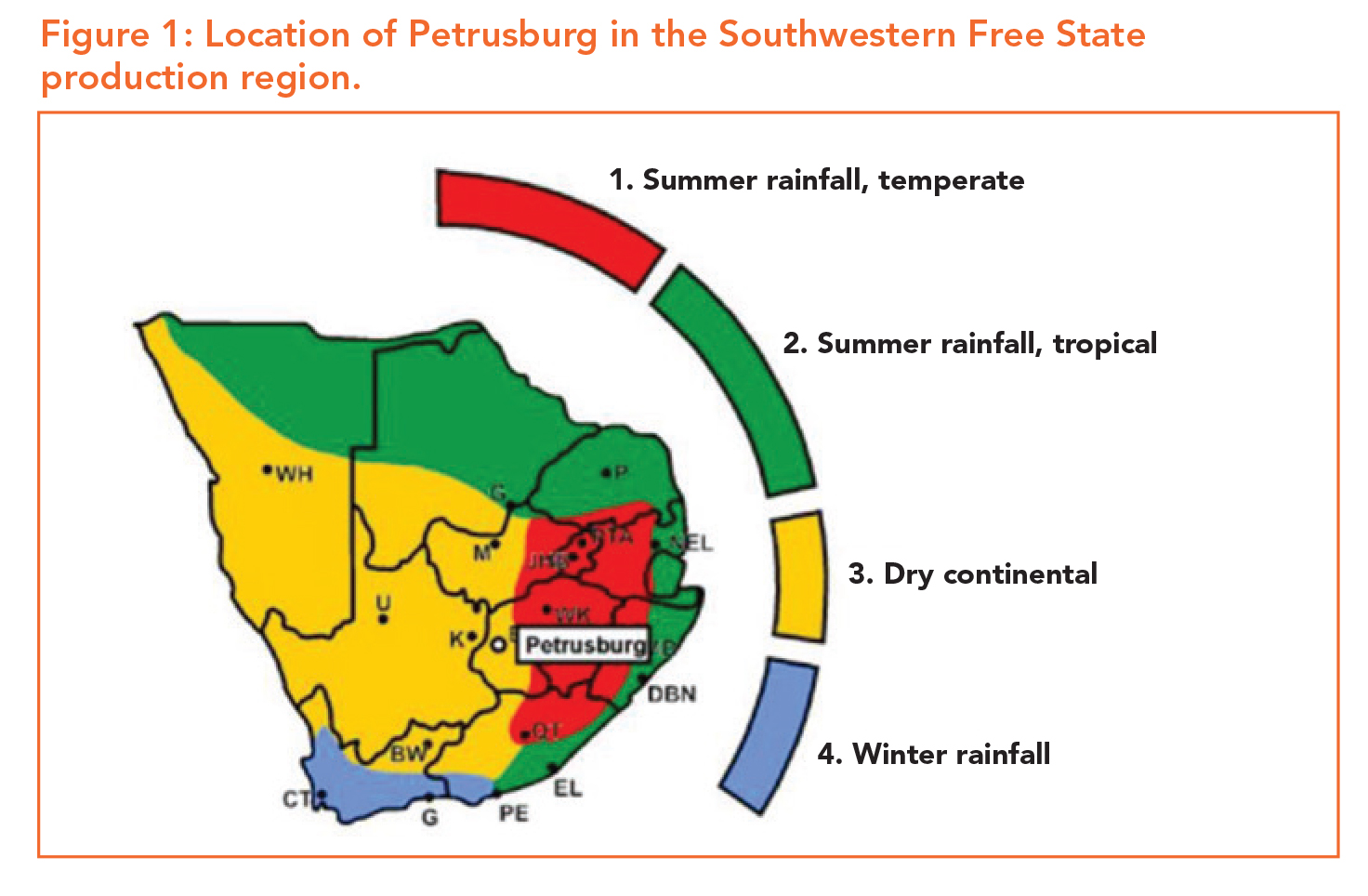
The farm on which the trial was planted has recorded an annual average rainfall of 570 mm over the last 24 years. This region is characterised by very hot summers and cold winters, with frost occurring from June to August. The region even recorded frost in November 2017. The cultivar trial at Petrusburg was laid out in a randomised block design with three replications per cultivar. Relevant technical information relating to the trial is summarised in Table 1. Soil samples were collected before planting to determine the soil nutrient status of the trial site (Table 2). Cultivars with short and long growth periods were included in the cultivar trial. As a result, growth periods could affect the yield of certain cultivars. The length of growth periods is subject to the nature of a given season but is regarded as the time that passes from emergence to natural leaf senescence.
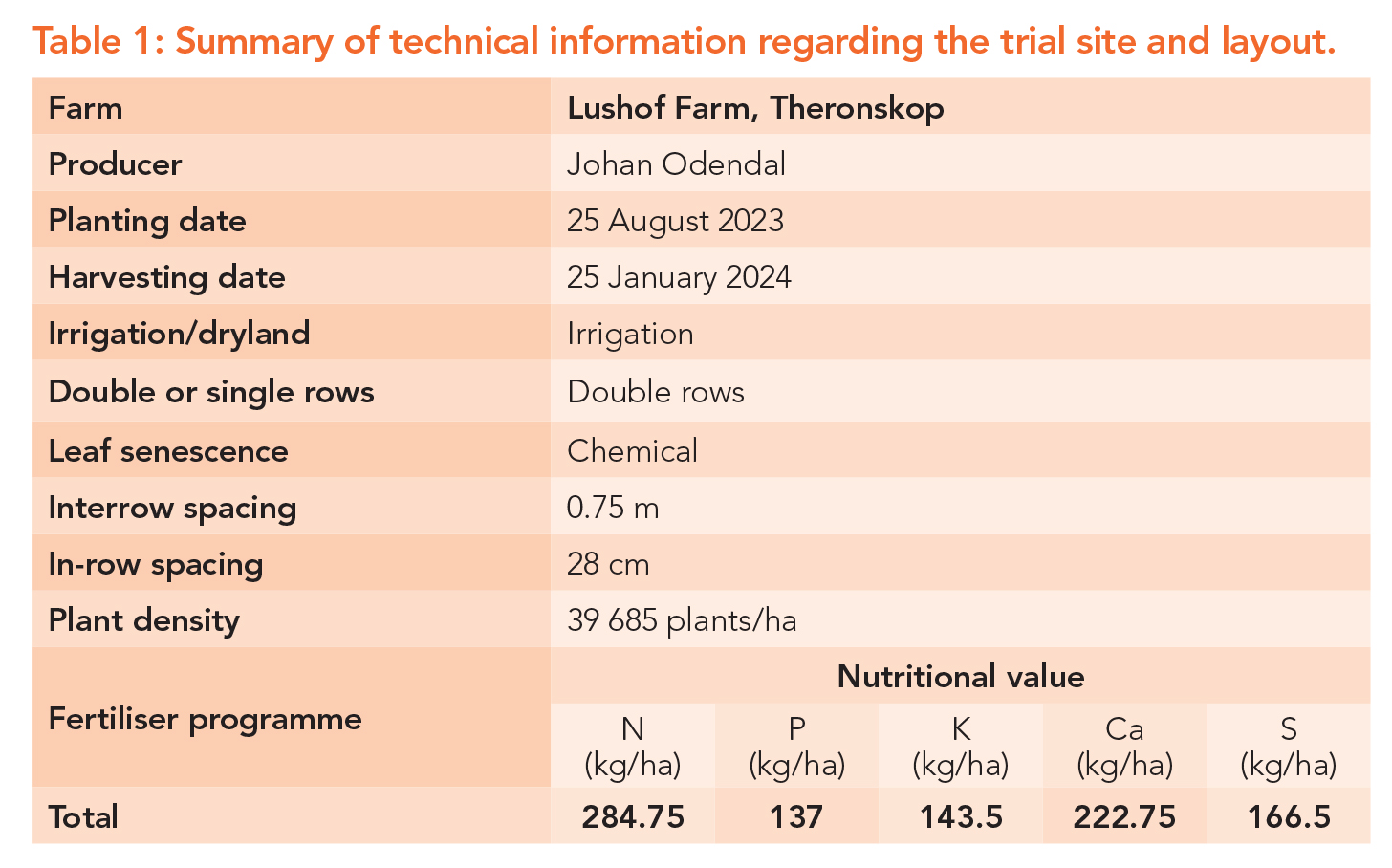
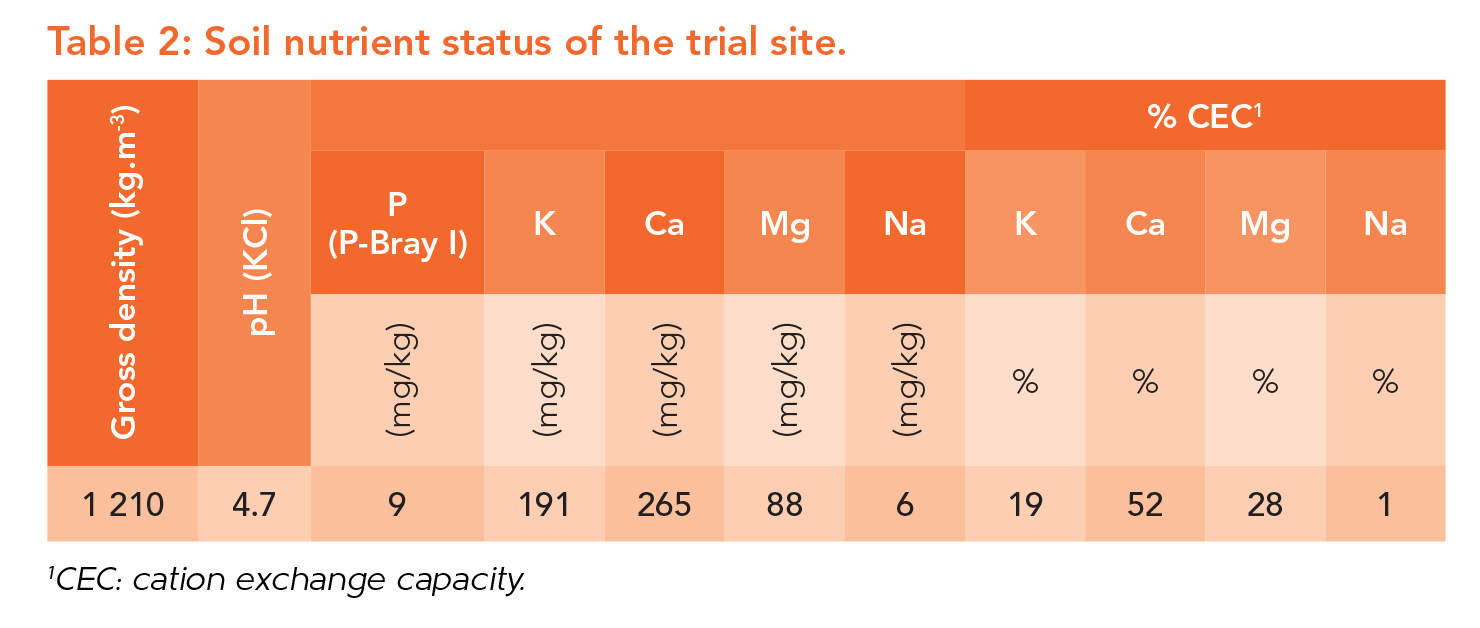
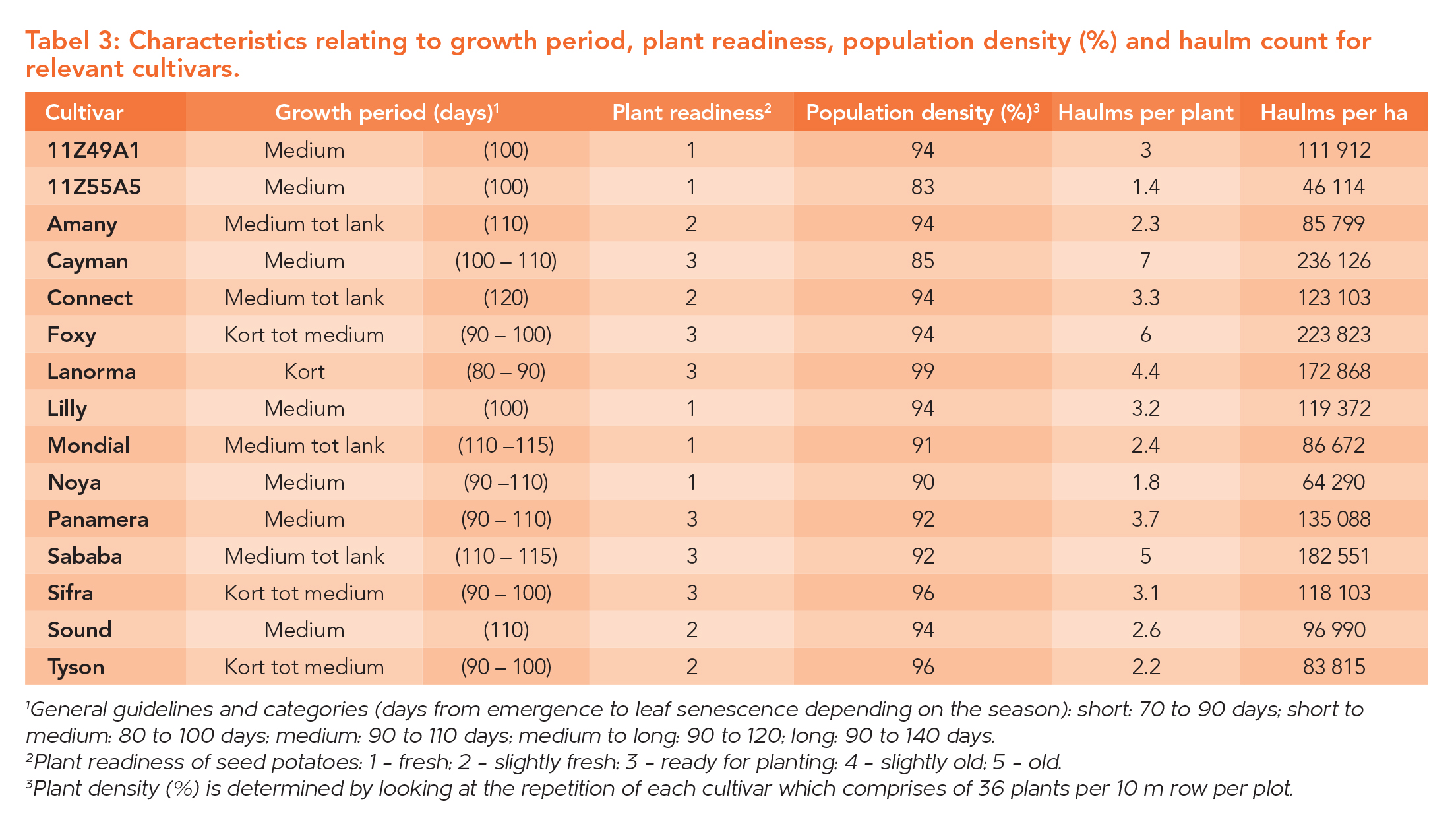
Table 3 outlines how these growth periods vary from cultivar to cultivar. The plant readiness of seed potatoes at the time of the trial, as well as plant density (%) and haulm count observed later on in the growth period, are indicated in Table 3.
Marketing indices
The evaluation of new cultivars in the Petrusburg cultivar trial delivered results regarding, among others, yield and marketing index. The marketing indices of the relevant cultivars are calculated by classing and sorting each cultivar according to quality and size distribution, for example, Class 1 Large or Class 2 Large-medium. All three replications from this trial were combined, washed, and sorted by the packing store. Prices were then compared to market prices at harvest time. The performance of new cultivars cannot be based on the results of one particular season only, since climate and seed potato quality can vary from one year to the next. It is for this very reason that cultivars are preferably tested across several seasons.
Weather data
As with any crop, temperature, availability of water (good irrigation scheduling or rainfall), as well as heat units are important factors with a significant influence on the potato plant’s growth period. These factors are therefore taken into account when evaluating cultivar performance. In the case of this trial, relevant daily data regarding the season in question was obtained from a Hortec weather station on the farm where the trial site is located. The Agricultural Research Council’s (ARC) weather station from which the long-term data was obtained, is located 9 km from the trial site.
The rainfall trend for the 2022/23 season (Figure 2) delivered significantly higher cumulative rainfall figures than the long-term average rainfall. More than double the long-term average rainfall was recorded in December, following a dryer November month.
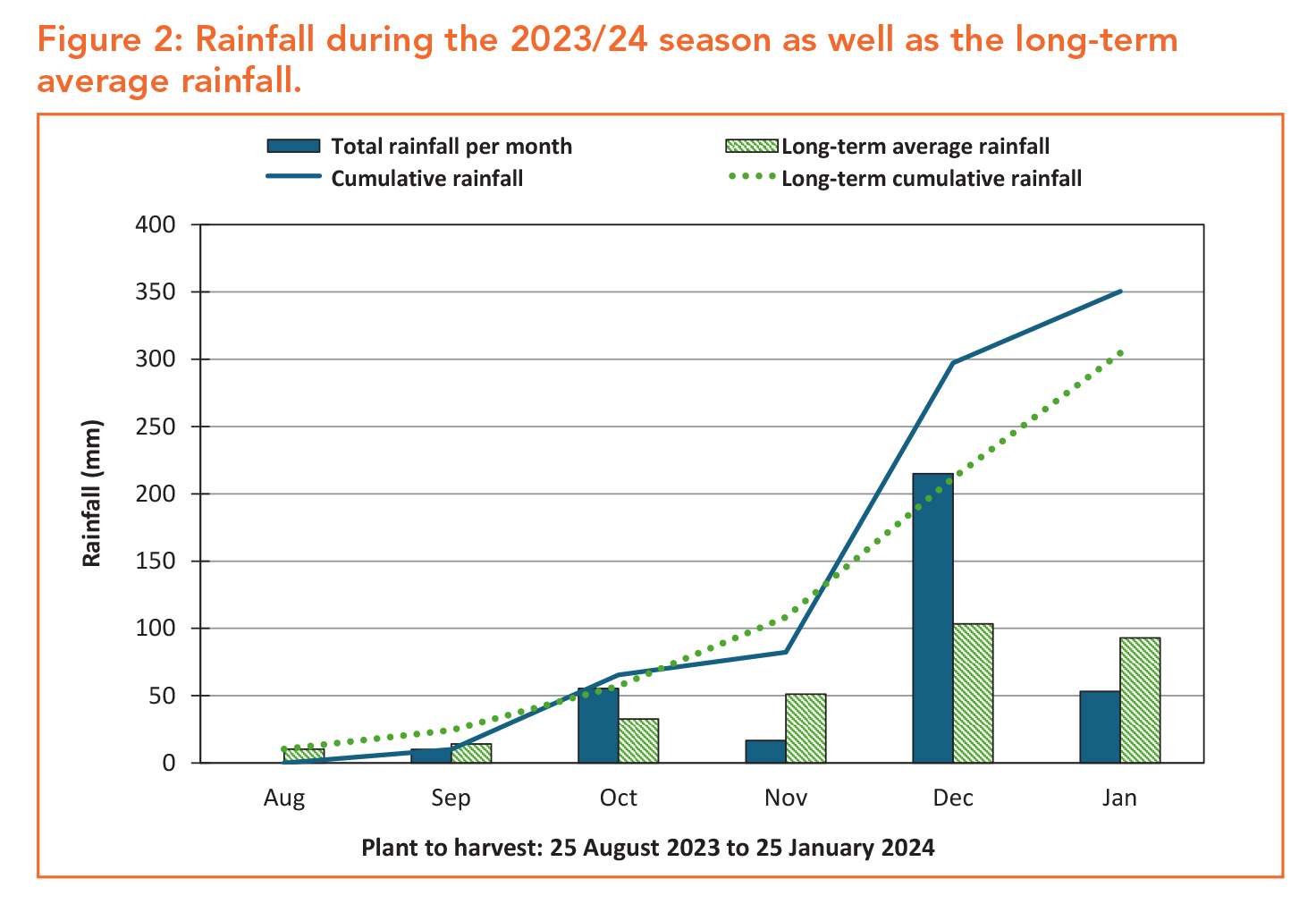
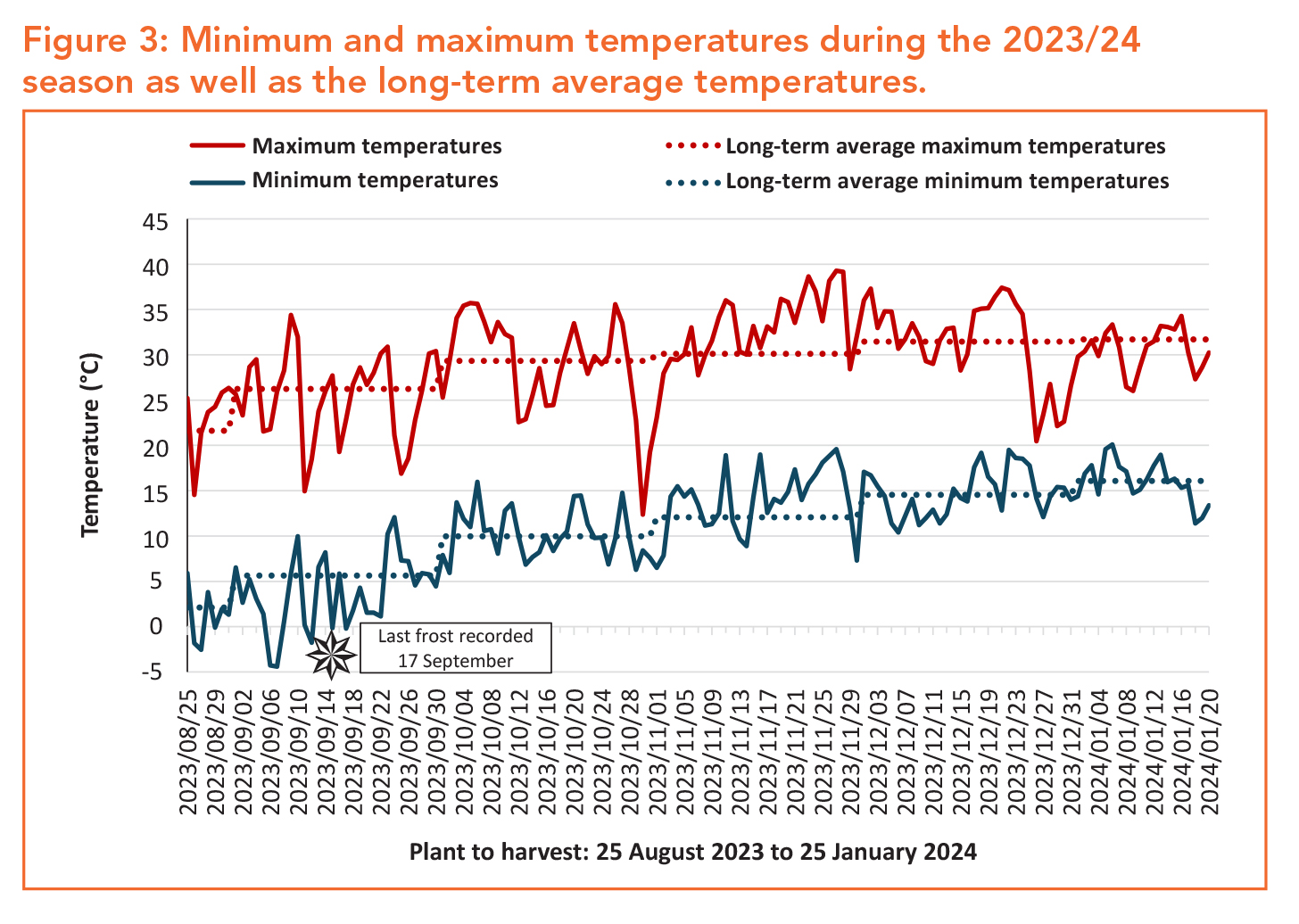
Figure 3 illustrates minimum and maximum temperatures. The last burst of frost was recorded on 17 September. Earlier in the same month, severe frost was recorded with minimum temperatures lower than -4°C for two consecutive days. In November and December, 44 days of temperatures above 30°C were recorded and 18 days with maximum temperatures higher than 35°C.
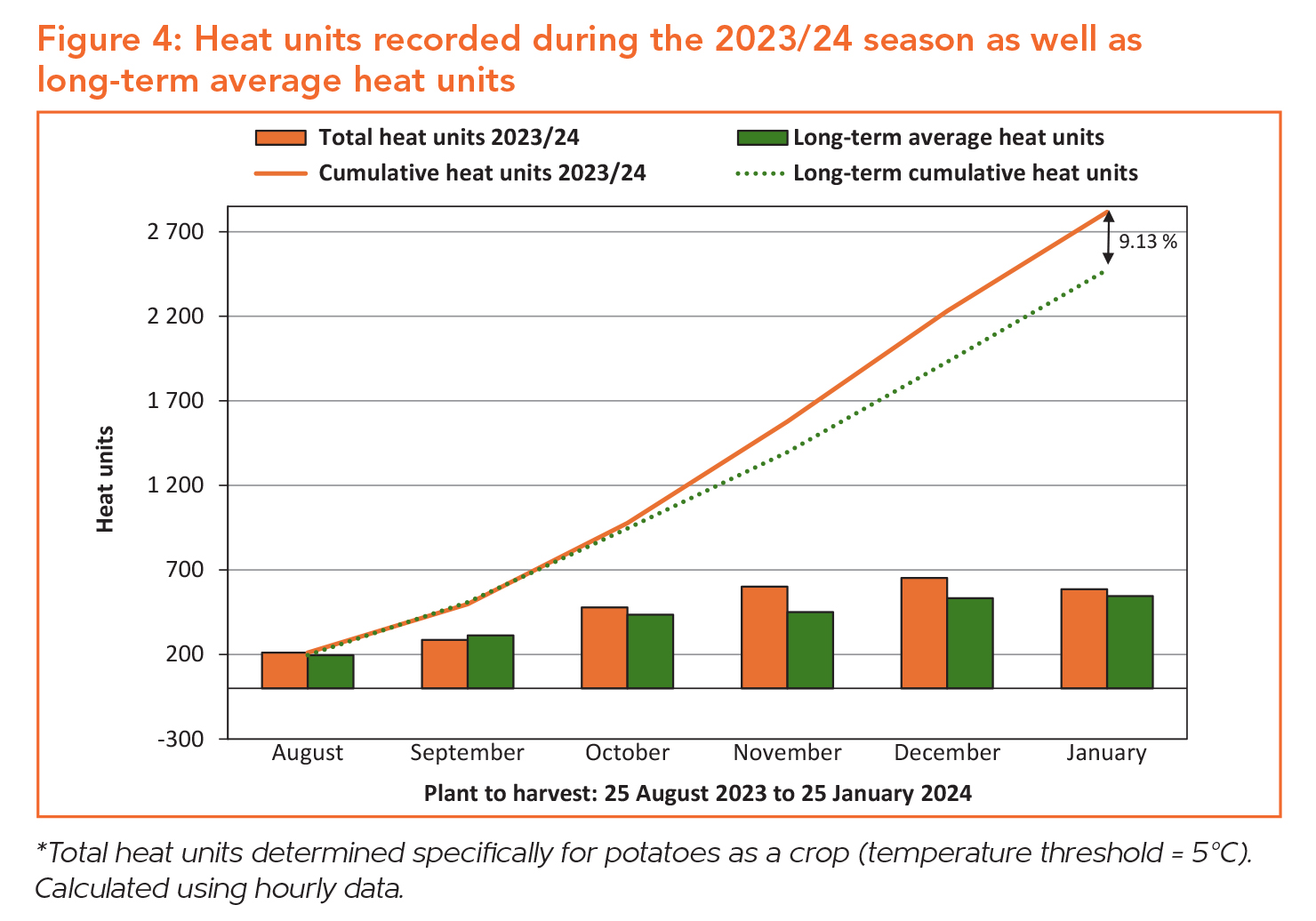
Heat units are another important factor to consider, as the development of the plant is based mainly on the collection of heat units during a growth period. The trend of available heat units for this cultivar trial was significantly more compared to the cumulative long-term data of heat units (Figure 4). This can be attributed to the season’s above-average number of warm days, especially during November and December, which led to the accumulation of more heat units.
Yield indices
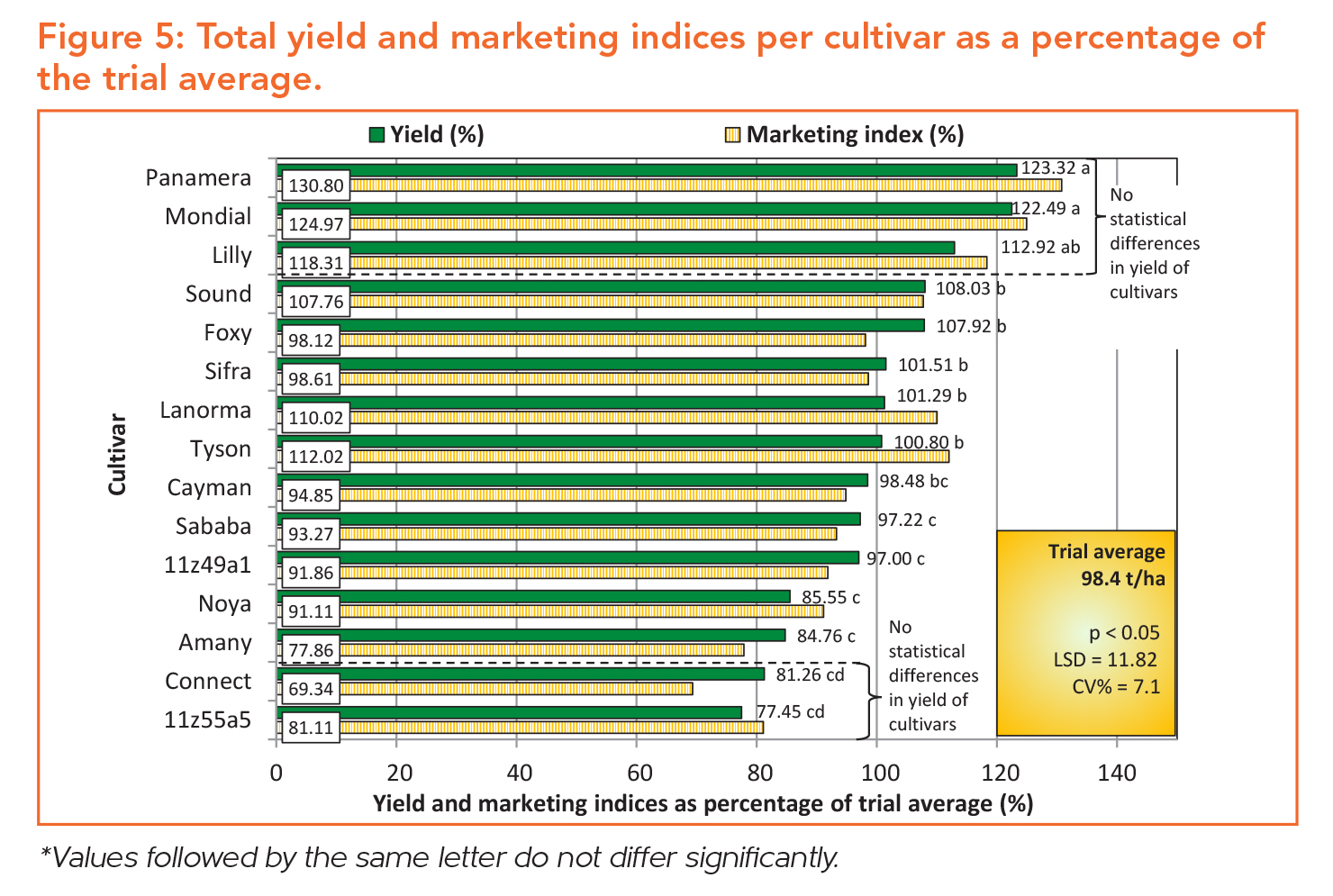
Yield data collected during harvest day is statistically processed using the GenStat® program. The mean was separated using the Tukey test of least significant differences (LSD). The cultivar effect during this trial (Figure 5) was statistically significant (p<0.05) while the coefficient of variation (CV) was low (7.1%). These factors indicate that the trial was well executed, and the results are therefore reliable.
The yield of each cultivar is divided by the trial average (the average of all the cultivars is accepted as 100%). This creates a yield index, and each cultivar’s performance in terms of yield is read as a percentage of the trial average.
The average yield of the cultivar trial for the 2023/24 season was 98.4 t/ha. This is higher than the trial averages of the previous five cultivar trials (85.1 t/ha) conducted at Petrusburg (2018 to 2023). Optimal irrigation scheduling and water quality can be listed as factors contributing to good yields.
Quality and downgrading
Statistically, the cultivars Panamera, Mondial, and Lilly delivered the highest yield (Figure 5). The same cultivars achieved the highest marketing index, which can be attributed to the higher yield of Large tubers as well as good-quality potatoes.
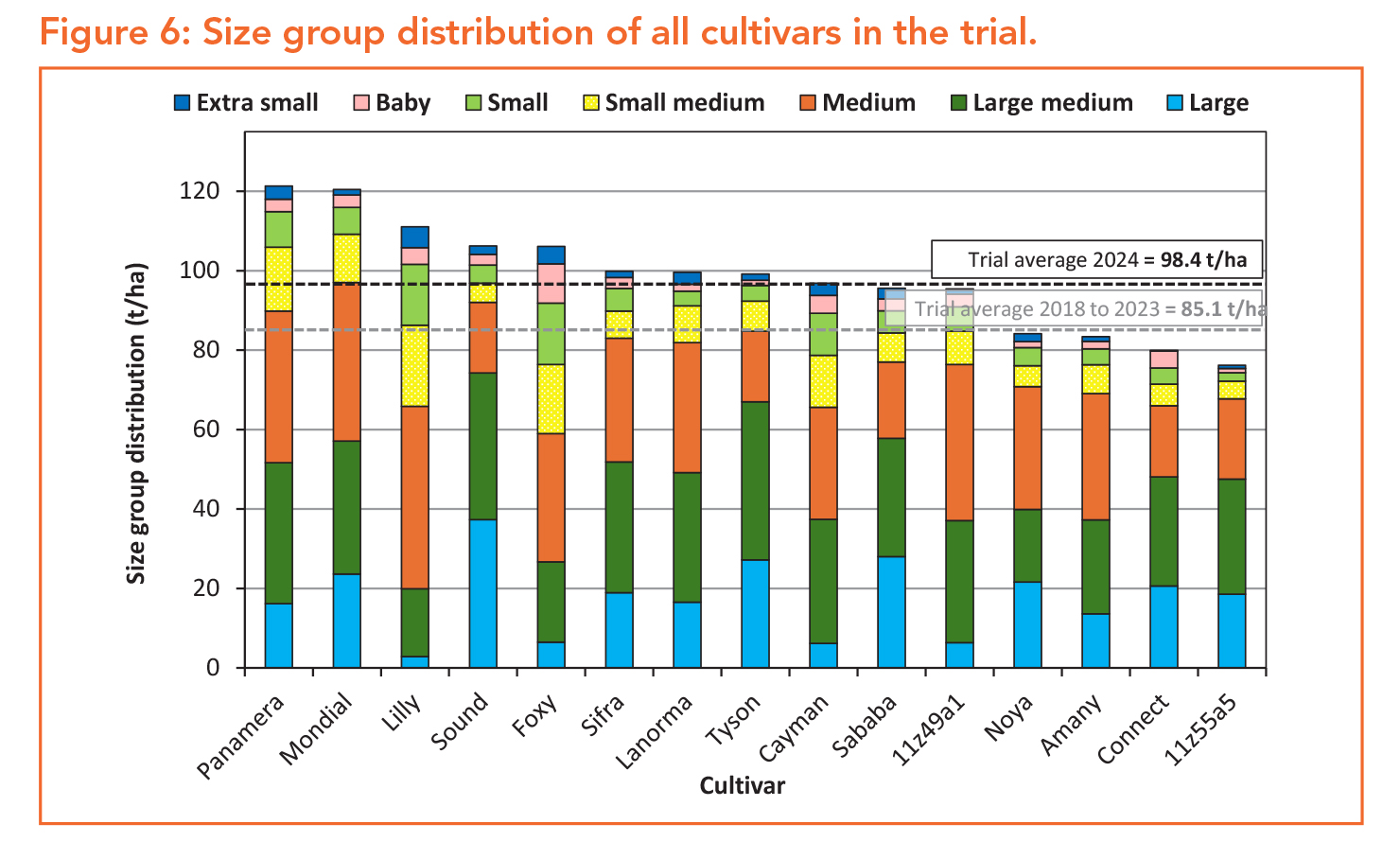
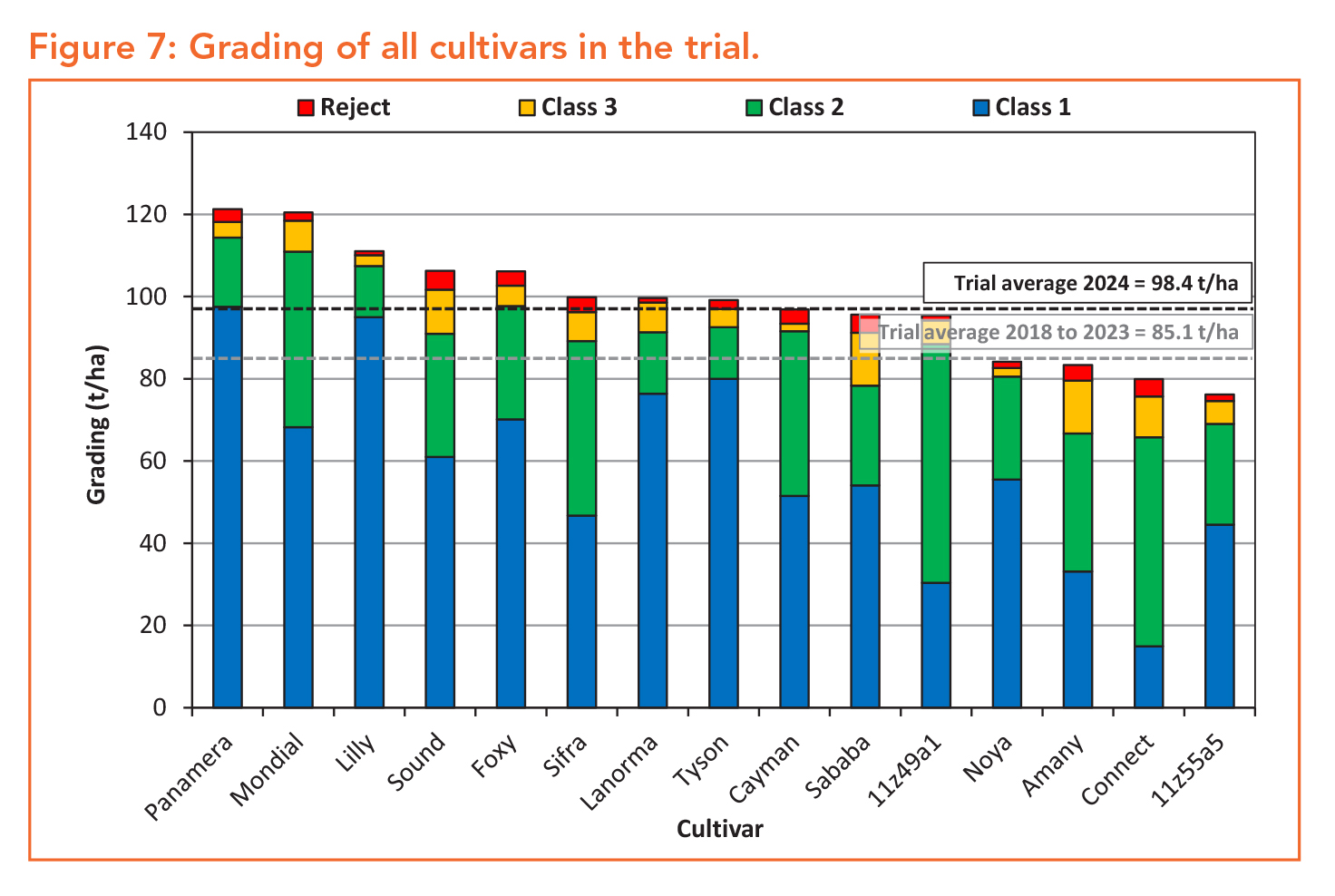
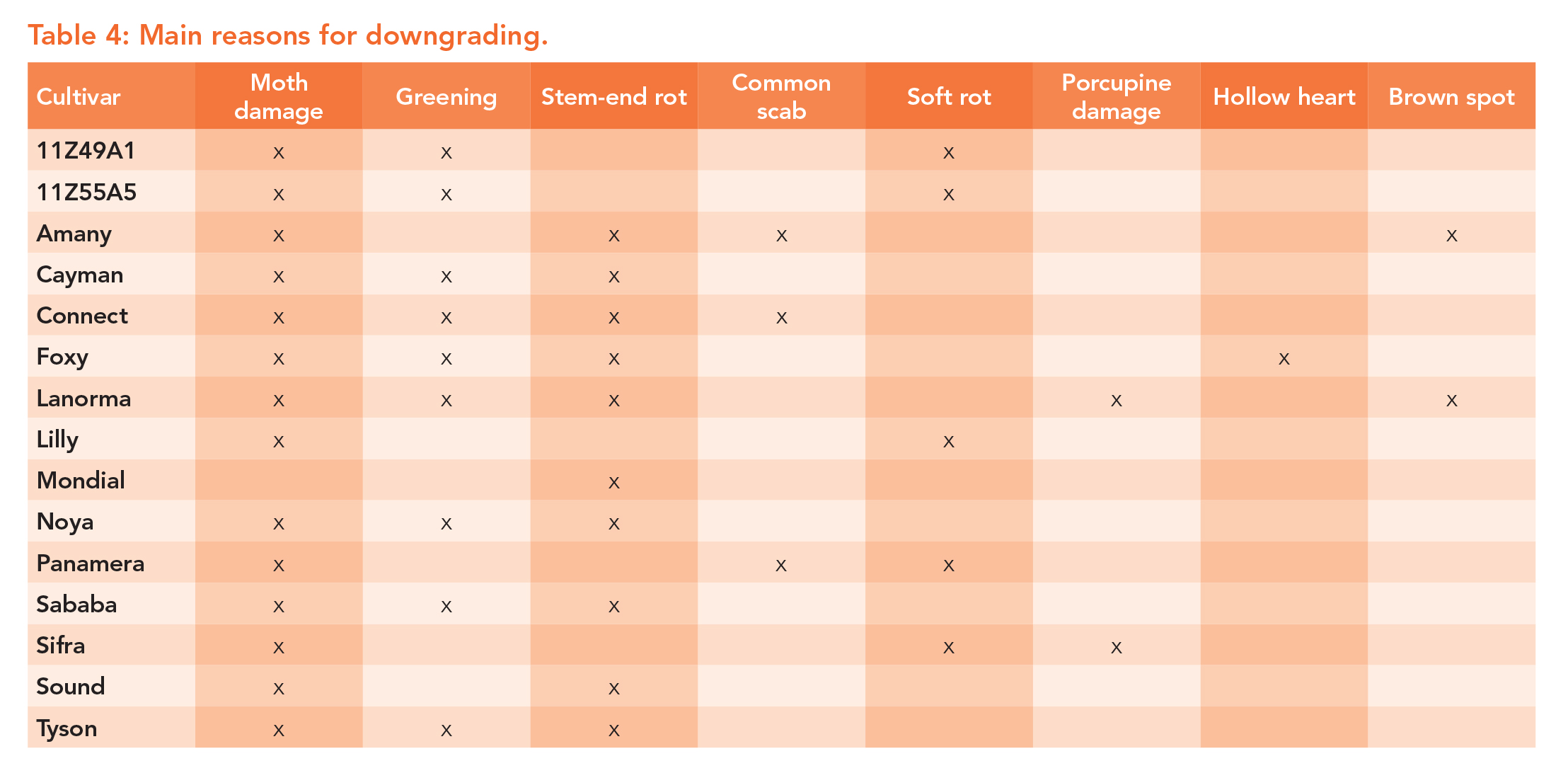
Size distribution and grading are indispensable evaluations when studying a cultivar’s marketability (Figures 6 and 7). Reasons for downgrading are taken into consideration when the potatoes are classed (Table 4). The main reasons for downgrading were moths and stem-end rot. This led to a larger number of Class 2 and 3 potatoes. Brown spot and hollow heart were detected in a few cultivars.
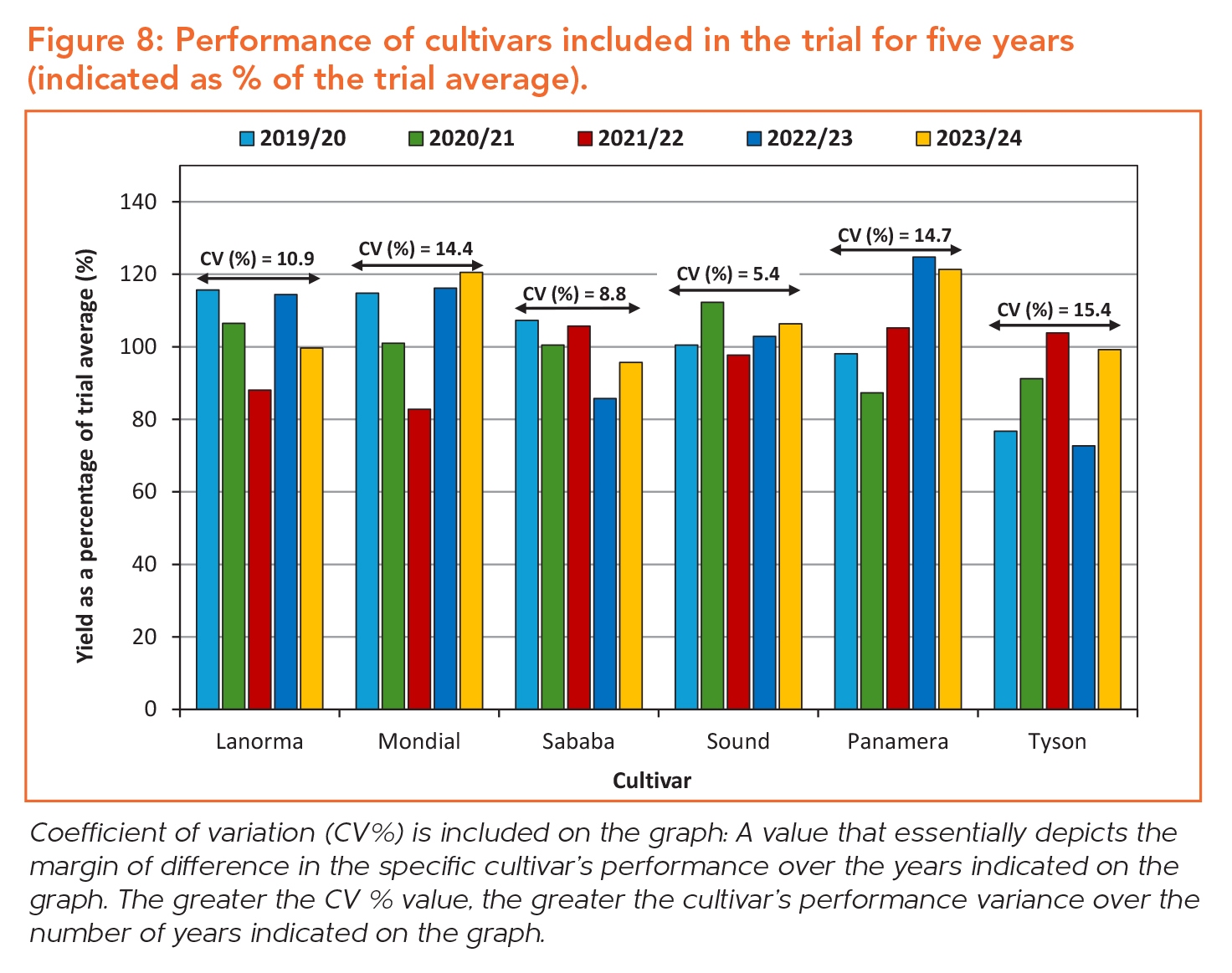
Just as seasons tend to fluctuate, so does the performance of cultivars from one season to the next. This is simply because the climate is never the same from one season to the next. Therefore, it is important to consider consistent cultivar performance across seasons instead of making decisions based on just one season’s good performance. Sound currently exhibits the least variation throughout 2020 to 2024 in the Petrusburg cultivar trial (Figure 8).
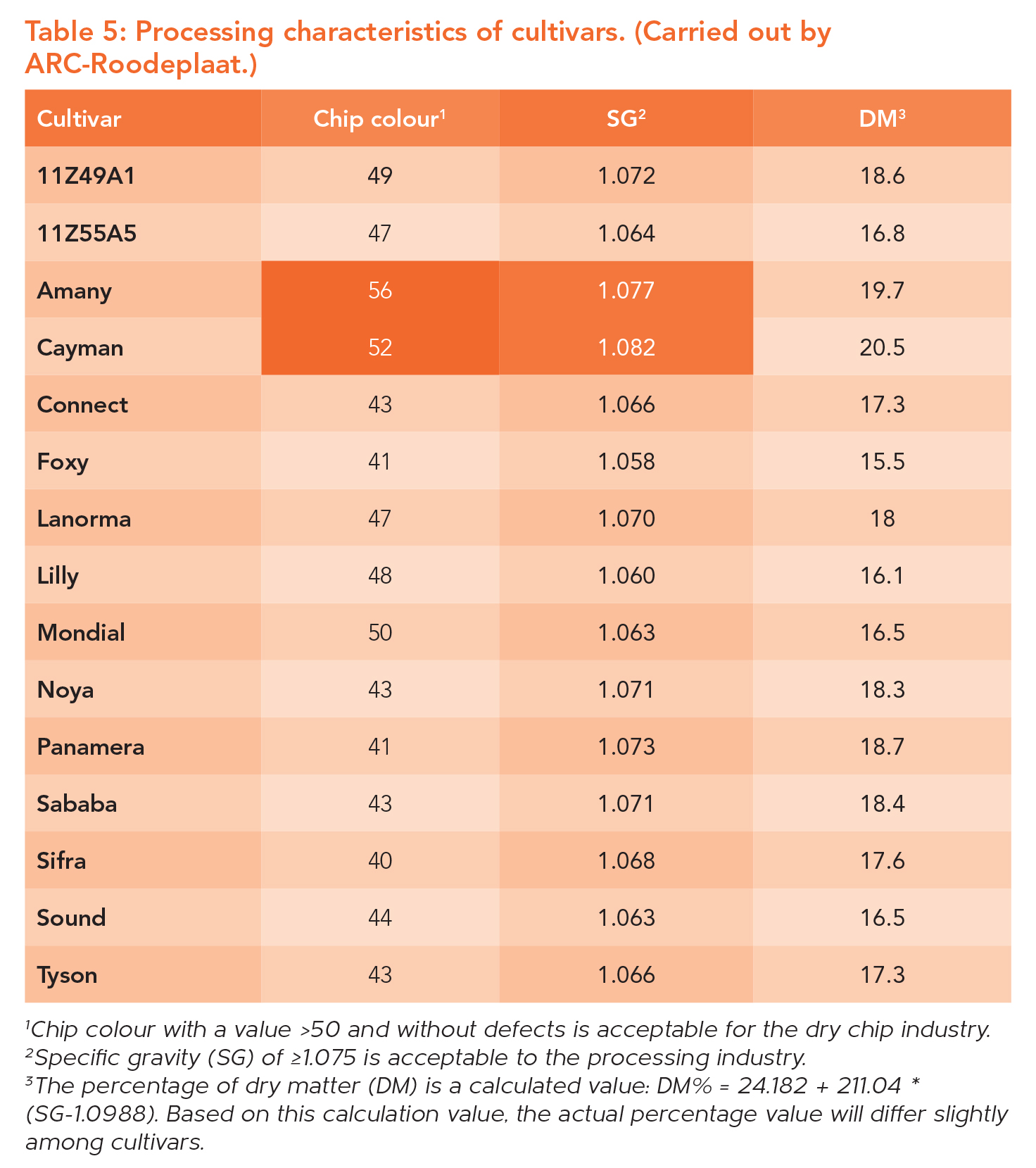
Finally, processing characteristics can also be evaluated when observing the internal quality of potatoes. To comply with processing requirements, cultivars have to comply with a chip colour norm of >50 and a specific gravity (SG) of ≥1.075 (Table 5). Amany and Cayman met the chip colour and SG requirements, but unfortunately brown spot was detected in Amany.
– By Enrike Verster and Laryssa van der Merwe, Potatoes SA, and Johan Odendal, producer.