
Rip tillage proves its value in 12-year Sandveld potato trial
Estimated reading time: 6 minutes
Potato production in the Sandveld is carried out in deep, sandy soils that are well suited to cultivation.
However, these soils are vulnerable to compaction, wind erosion, and declining organic matter levels. Maintaining soil structure and biological activity is therefore essential for sustainable potato production in the region.
Potatoes require deep, well-draining, and friable soils to allow proper root development and tuber formation. In sandy soils such as those found in the Sandveld, compaction can easily develop due to repeated machinery traffic, high irrigation volumes during the potato production phase, and livestock grazing during fallow periods.
Mouldboard ploughing has traditionally been used to loosen the soil profile and prepare the seedbed before planting. While effective in the short term, repeated intensive tillage can lead to the formation of plough pans and accelerate the loss of soil organic matter and carbon. Frequent cultivation also removes plant residues from the soil surface, increasing the rate of organic matter breakdown and reducing soil biological activity.
Trial overview
Conservation farming systems aim to minimise soil disturbance while maintaining plant residues on the soil surface. These systems can improve soil structure, reduce erosion, and enhance soil biological activity. However, producers often question whether conservation systems can maintain the high yields required in commercial potato production. To address this question, a long-term conservation farming trial was established in the Sandveld.
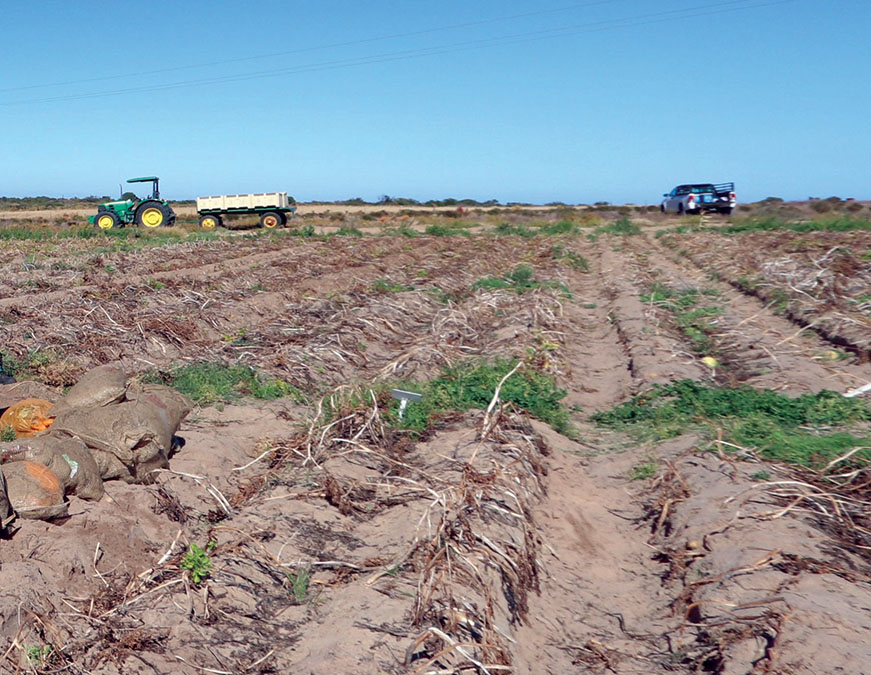
The trial was conducted over a 12-year period on the Fisantevlug farm near Aurora. The experiment compared three tillage systems within a four-year potato rotation: conventional mouldboard tillage, deep ripping (rip tillage), and paraplough tillage. Three cover crops were also evaluated during fallow periods: black oats, rye, and triticale (korog).
The study assessed a range of parameters, including soil biological activity, microbial diversity, soil carbon levels, nematode populations, soil compaction, potato yield, and tuber quality.
Soil biological activity improves
Soil respiration, measured as carbon dioxide (CO₂) release from soil samples, was used as an indicator of biological activity. Biological activity increased over time under conservation tillage systems.
The rip treatment showed the greatest improvement, with soil respiration increasing by more than 100% over the course of the trial. The mouldboard treatment, however, showed a decline in biological activity compared to the initial measurements.
Healthy soil microbial communities play an essential role in nutrient cycling and soil fertility, and these results highlight the long-term benefits of reduced soil disturbance.
Increased microbial diversity
Further analyses of bacterial and fungal communities confirmed that conservation tillage improved soil biological diversity (Figure 1). Both the rip and paraplough treatments supported more diverse microbial communities than conventional mouldboard tillage. In several cases, microbial diversity under conservation tillage was even higher than that of the surrounding natural veld.
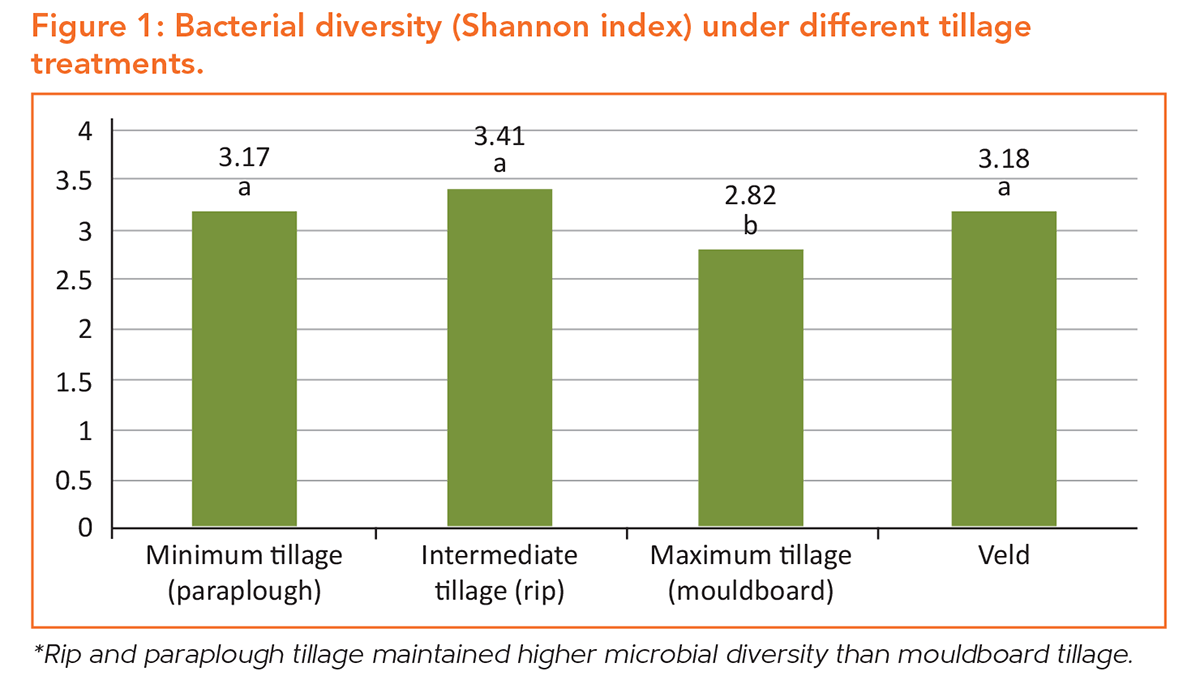
Higher microbial diversity contributes to improved nutrient cycling and greater soil ecosystem resilience.
Improved soil carbon levels
Soil carbon levels gradually increased under conservation tillage during the trial period (Figure 2). The rip treatment demonstrated the greatest increase, with soil carbon rising by up to 96% over nine years.
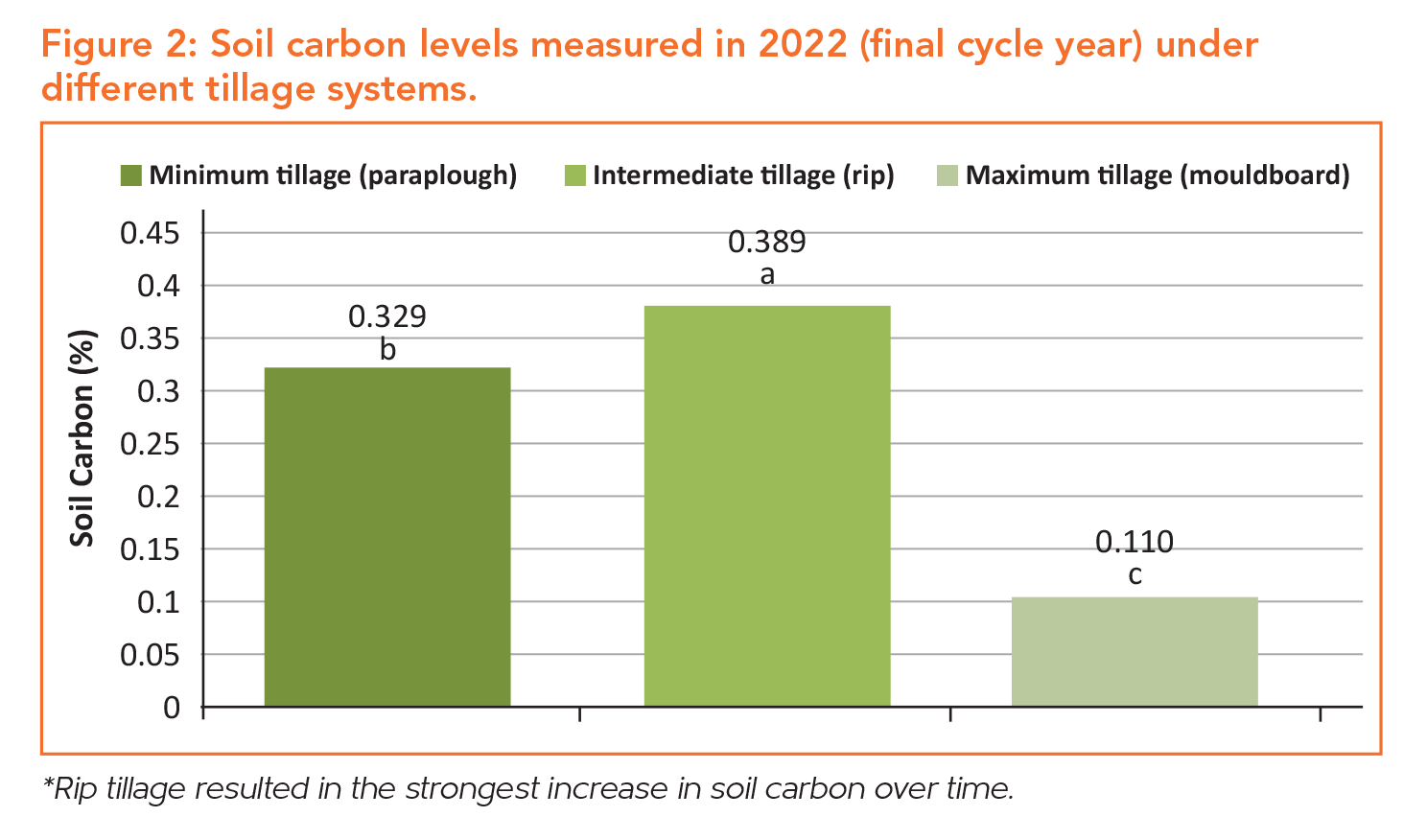
Although soil carbon accumulates slowly, these results demonstrate that conservation farming practices can gradually rebuild organic matter levels in sandy soils. Higher soil carbon improves soil structure, water retention and nutrient availability, ultimately benefiting crop production.
Balanced nematode populations
Nematodes are considered important indicators of soil ecosystem health. The rip treatment supported the highest numbers of free-living nematodes, many of which act as predators that help to control plant-parasitic nematodes (Figure 3).
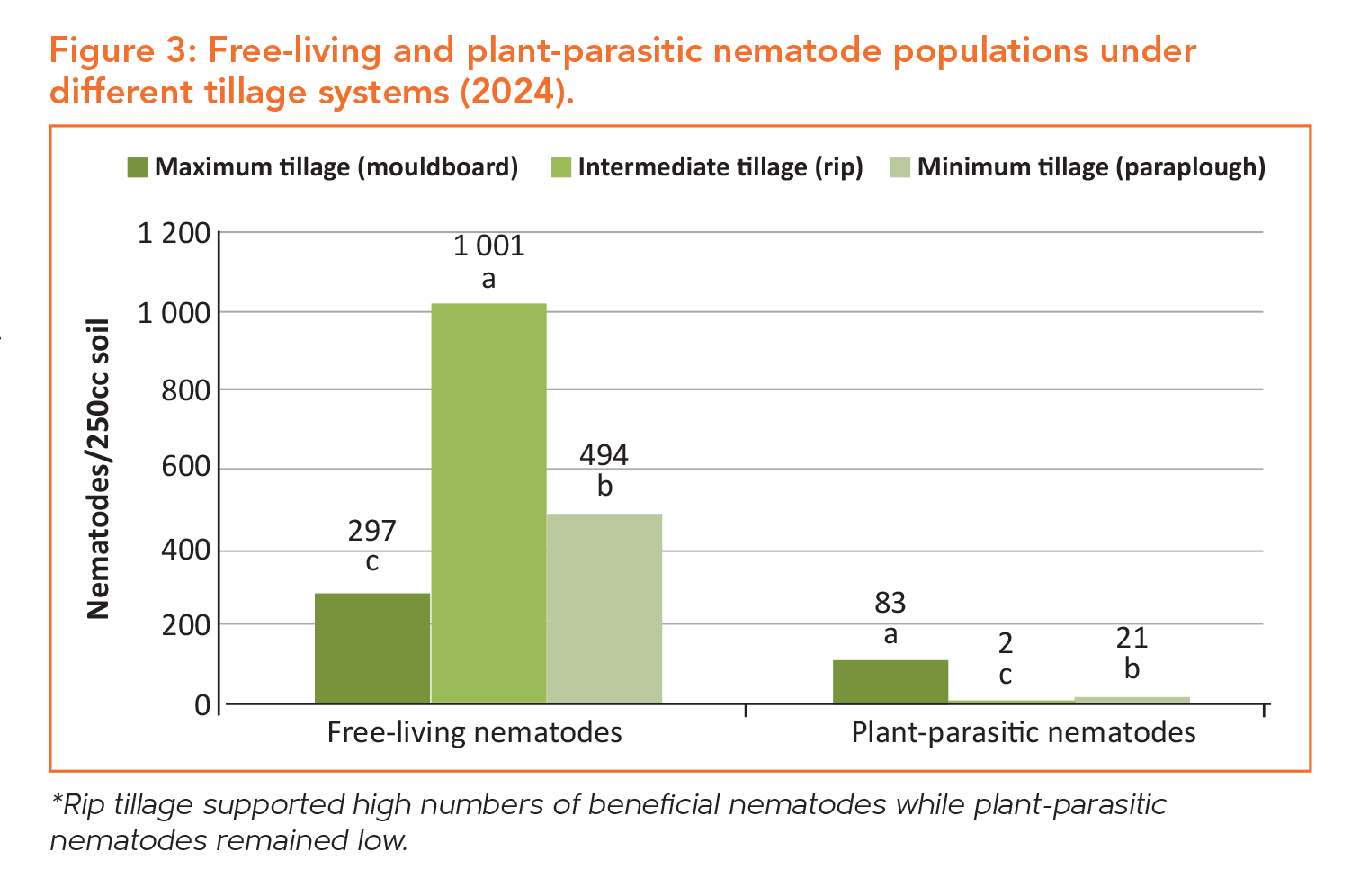
At the same time, plant-parasitic nematodes such as root-knot and lesion nematodes remained at very low levels throughout the trial. In the final seasons, more than 1 000 free-living nematodes per 250 cm³ of soil were recorded in the rip treatment, while plant-parasitic nematodes were almost absent.
These results indicate that conservation tillage systems can support balanced soil ecosystems that naturally suppress harmful nematodes.
Soil compaction under control
Soil compaction was monitored using penetrometer measurements taken before tillage and during the growing season. Both the rip and paraplough treatments successfully loosened the soil profile to depths of approximately 60 cm, which is sufficient for potato root development.
Although the paraplough treatment occasionally showed slightly higher compaction at intermediate depths, overall compaction levels remained within acceptable limits for potato production. Soil compaction tended to decrease over time under the rip system.
Potato yields maintained
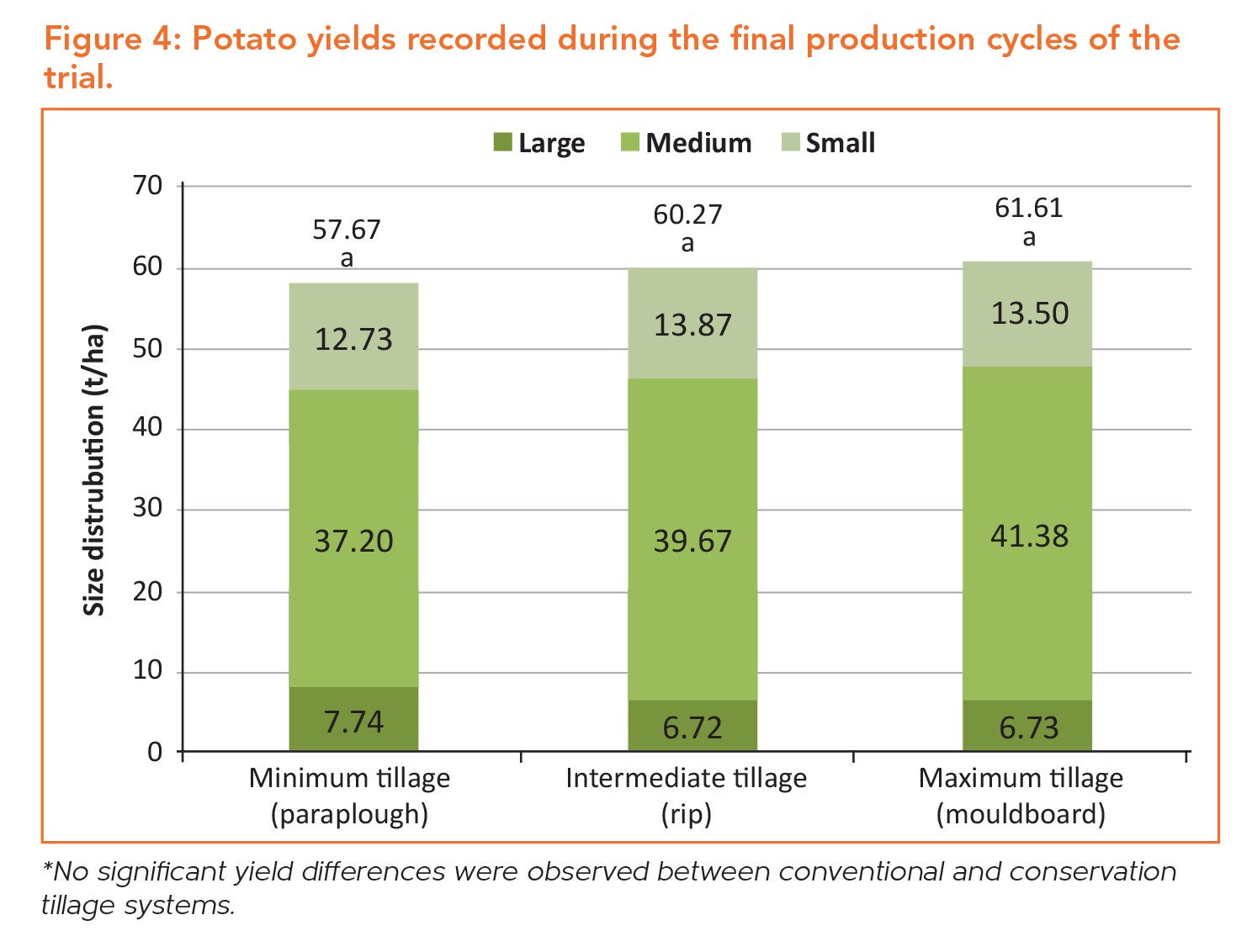
One of the key questions addressed in the trial was whether conservation tillage would affect potato yields. The results showed that yields remained high across all treatments (Figure 4). Final yields reached approximately 64 t/ha, with no statistically significant differences between tillage systems. Under the conditions of this trial, yields are expected to stabilise at around 55 t/ha when rip tillage is used as the standard practice.
Tuber quality remains high
Tuber quality was evaluated throughout the trial. Specific gravity (SG), an important parameter for processing potatoes, remained within industry standards across all tillage treatments. Although the paraplough treatment occasionally produced slightly higher SG values, the differences were small and not statistically significant in the final season.
No major diseases or internal defects were observed in harvested tubers. Conservation tillage did not negatively affect potato quality.
Cover crops for the Sandveld
Cover crops are an important component of conservation farming systems, as they protect the soil surface and contribute organic matter. Black oats consistently produced the lowest biomass and soil cover, mainly due to slow establishment under Sandveld conditions.
After three years, triticale provided around 58% soil cover and rye about 33%, both exceeding the 30% soil cover typically recommended for conservation farming systems. Based on these results, triticale and rye are recommended as cover crops for the Sandveld potato production system.
Key take-home message
Results from the 12-year Sandveld trial show that conservation tillage can improve soil health without compromising potato production. The rip tillage system produced the most consistent results, improving soil biological activity, increasing soil carbon levels, and maintaining high yields. Triticale and rye are recommended as suitable cover crops for conservation potato production.
The findings of this long-term trial demonstrate that conservation farming can be successfully implemented in the Sandveld potato production system. When combined with suitable cover crops, rip tillage provides a practical and sustainable approach to improving soil health while maintaining profitable potato production. – Dr Jacques van Zyl, Western Cape Department of Agriculture
For more information, send an email to the author at Jacques.VanZyl2@westerncape.gov.za.