

Cultivating innovation and transformation
Estimated reading time: 4 minutes
In the fertile agricultural landscape of South Africa, Potatoes SA stands out as a remarkable example of innovation, collaboration, and sustainable growth. Representing a vibrant community of over 500 potato producers, the organisation oversees the cultivation of 52 000 ha dedicated to potato production. It operates with an annual budget of approximately US$3.4 million supporting every segment of the potato value chain.
Potatoes SA’s financial strategy is a lesson in targeted investment. Of the annual budget, 38% is dedicated to operational costs – covering essential functions such as administration, logistics, and coordination. The remaining 62% is evenly distributed among three pillars: new farmer transformation, marketing, and innovation.
Skills development in Limpopo
An exciting initiative supported by Potatoes SA is a skills development programme in Limpopo. Spearheaded in collaboration with Khula, this project aims to equip local producers with the expertise and resources needed to succeed in potato cultivation.
As president of the World Potato Congress, I am a keen observer and advocate of this effort. During my third visit to Potatoes SA, I had to express my admiration for the organisation’s holistic value chain approach, noting its effectiveness in fostering both commercial success and community prosperity.
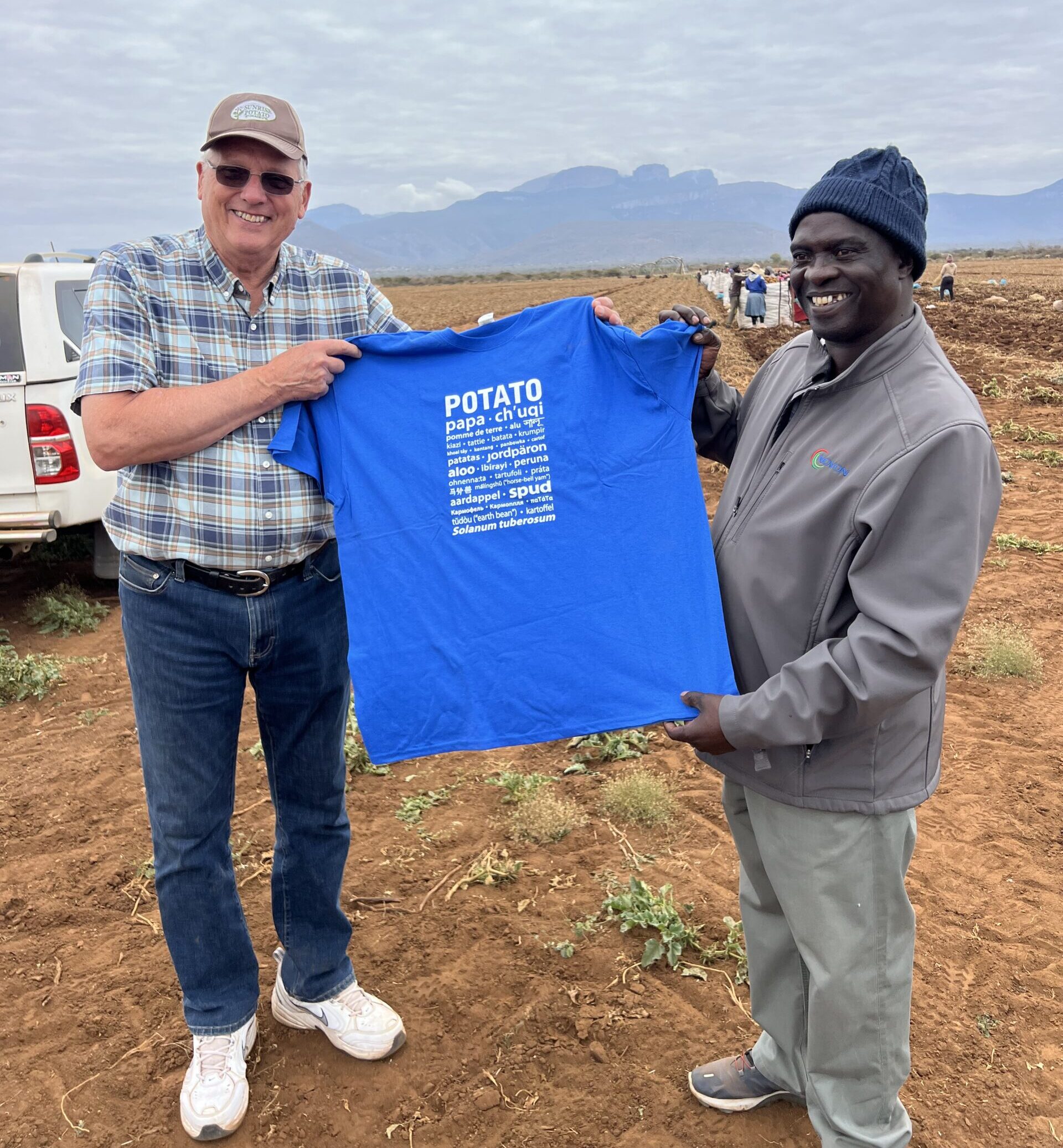
The programme has already yielded impressive results: 60 commercial growers have emerged, alongside a variety of start-ups ranging from small-scale operations to large farms exceeding 35 ha. My recent interactions with four newly established growers shed light on both the successes and ongoing challenges they face.
Notably, farmland in the region is owned by local tribes and managed by chiefs or tribal councils – an arrangement that, while initially appearing precarious, has thus far posed minimal concern regarding land tenure security. The more pressing issue for these growers is the substantial financial burden associated with establishing facilities for cleaning, washing, sorting, and bagging potatoes. Currently, many such facilities are either non-operational or have yet to be installed, but this has not hindered markets and sales of unwashed potatoes to Mozambican traders or supply tote bags to companies such as PepsiCo.
To address these infrastructure challenges, advocates such as myself have suggested a cooperative model for shared potato-handling facilities. Such a model could help distribute costs and improve efficiency, making advanced processing capabilities more accessible to smaller growers. The social impact of current efforts is significant: each new potato farm is estimated to benefit about 500 individuals in the community, offering employment opportunities, nutritional benefits, and a sense of shared purpose.
From South Africa to Kenya
During my visit I also participated in the Potatoes SA Innovation Symposium. The event consisted of short, focussed presentations followed by interactive panel discussions. It encourages accountability and ensures that research outputs are relevant and practicable in the field.
Topics ranged from alternative uses for potatoes to strategies for optimising efficiency and enhancing quality. I shared insights on potato innovations and pathways to future success for South African growers.
I also had the opportunity to promote the upcoming World Potato Congress, set to take place in Kenya from 26 to 30 October 2026. South Africa is expected to send about 100 participants, reflecting the country’s strong commitment to advancing the global potato industry.
The event venue, Sawela Lodges, is nestled on the scenic southern shores of Lake Naivasha in Kenya’s Great Rift Valley. Kenya, with its breathtaking landscapes, rich cultural heritage, and renowned hospitality, will co-host the congress alongside the National Potato Council of Kenya and FreshCrop Ltd. The congress will feature a variety of activities, including pre-congress workshops, two days of educational forums and panels, a post-congress potato field day, industry tours, and opportunities to explore the country’s wildlife and cultural landmarks. – Peter van der Zaag, president, World Potato Congress
For more information, email the author at peter@sunrisepotato.com or visit www.potatocongress.org