
Estimated reading time: 10 minutes
The Sandveld production region accounts for approximately 13.5% (2024 harvest year) of South Africa’s total potato harvest, cultivated on approximately 6 942 ha across both summer and winter plantings. This region supplies potatoes to the entire supply chain, including tubers and potatoes for export as well as table and processing purposes.
Table potatoes are mainly supplied to the Cape fresh produce markets, while seed potatoes are exported to Mozambique. The most prominent cultivars produced in this region for table consumption and processing are Mondial, Sifra, FL2108, and Valor.
The trial was conducted on the farm Rietfontein in the Aurora area, at the western foot of the Piketberg. The area falls within South Africa’s winter rainfall region and receives an annual average rainfall of about 395 mm, based on records from the past 21 years at the nearest Agricultural Research Council (ARC) weather station.
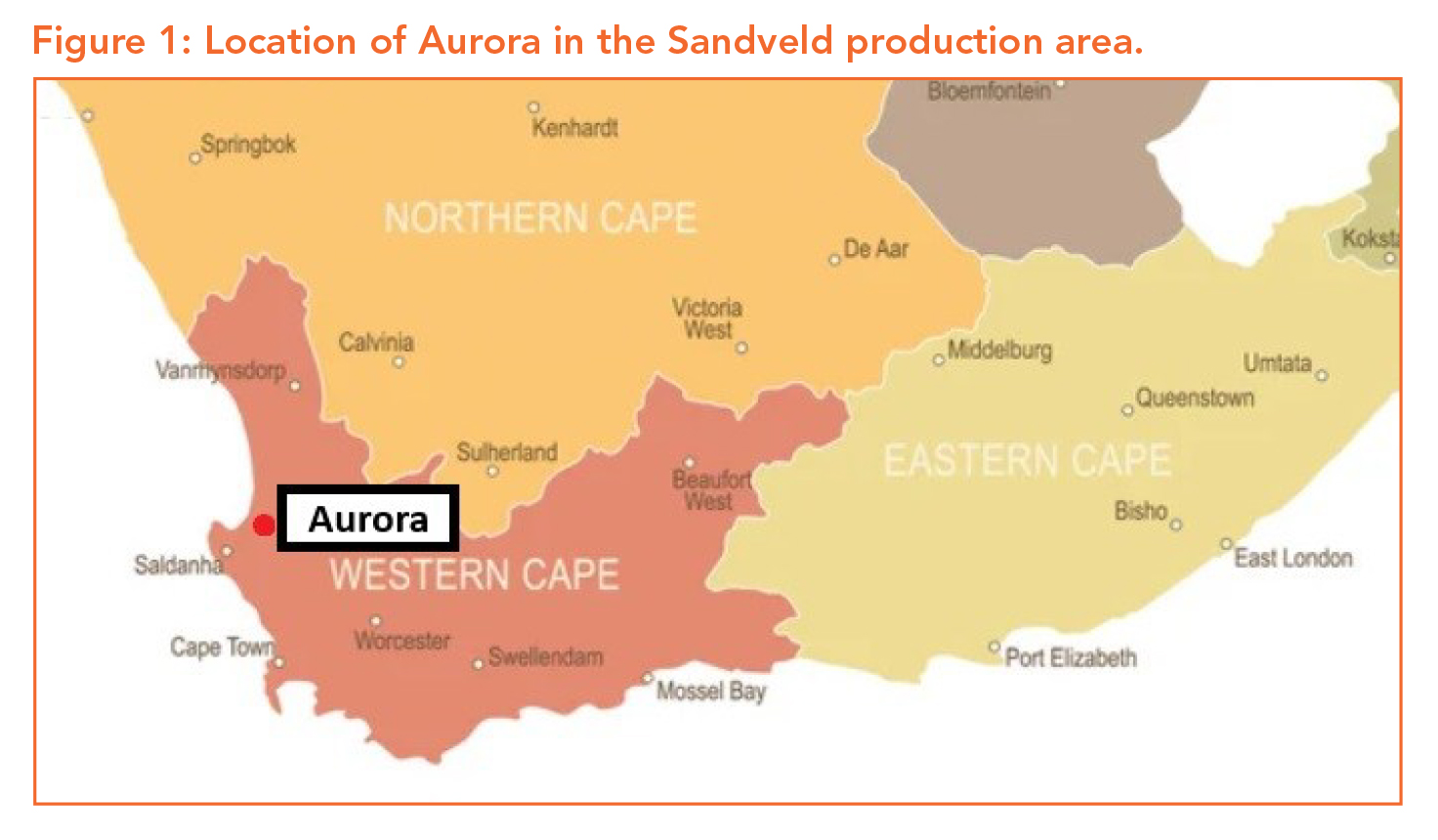
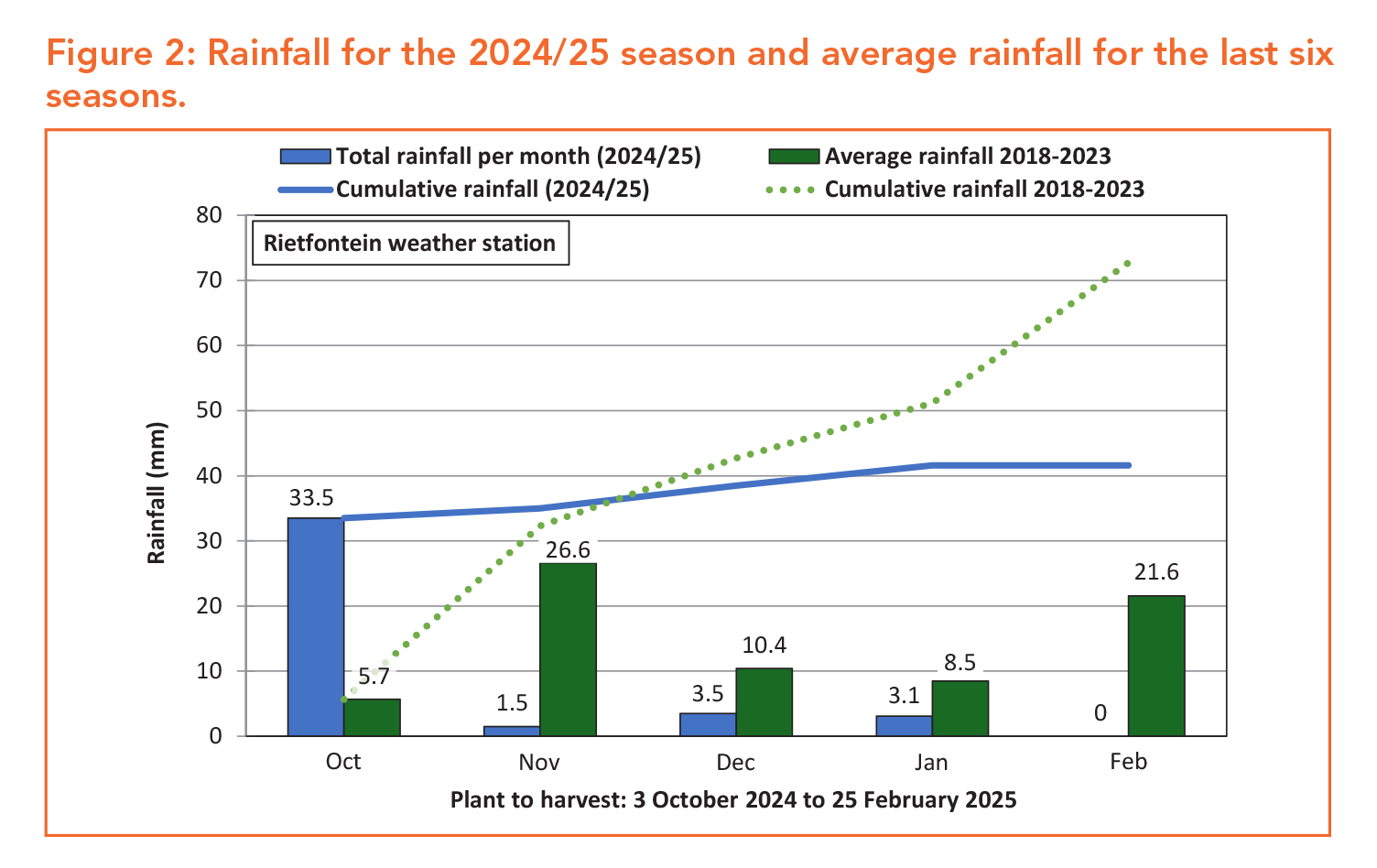
An average of 295 mm per year was recorded on Rietfontein between 2018 and 2023. The region has a Mediterranean climate with hot summers and cold, wet winters. The production season is unique, as potatoes can be planted throughout the year, although most potatoes are planted in February and June.
Trial design and details
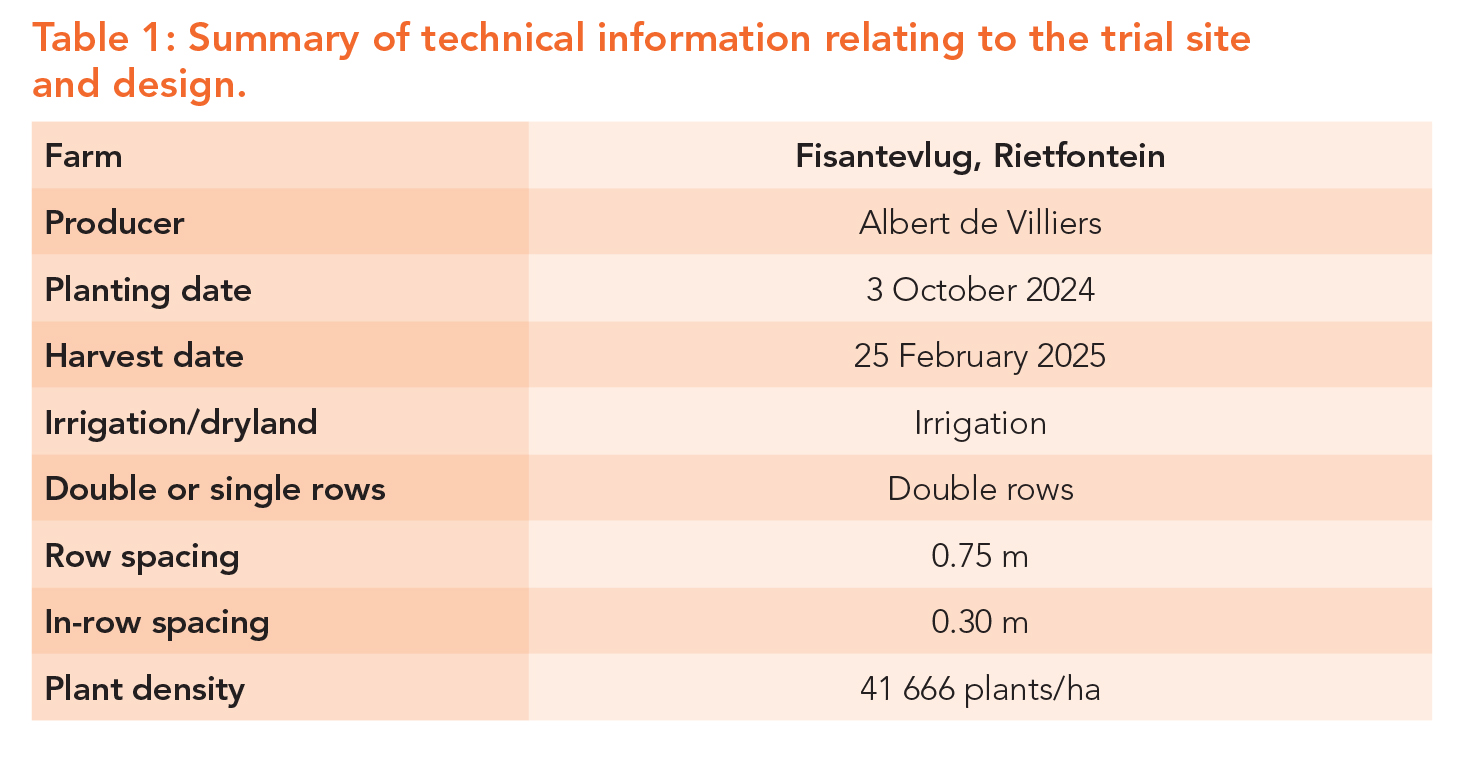
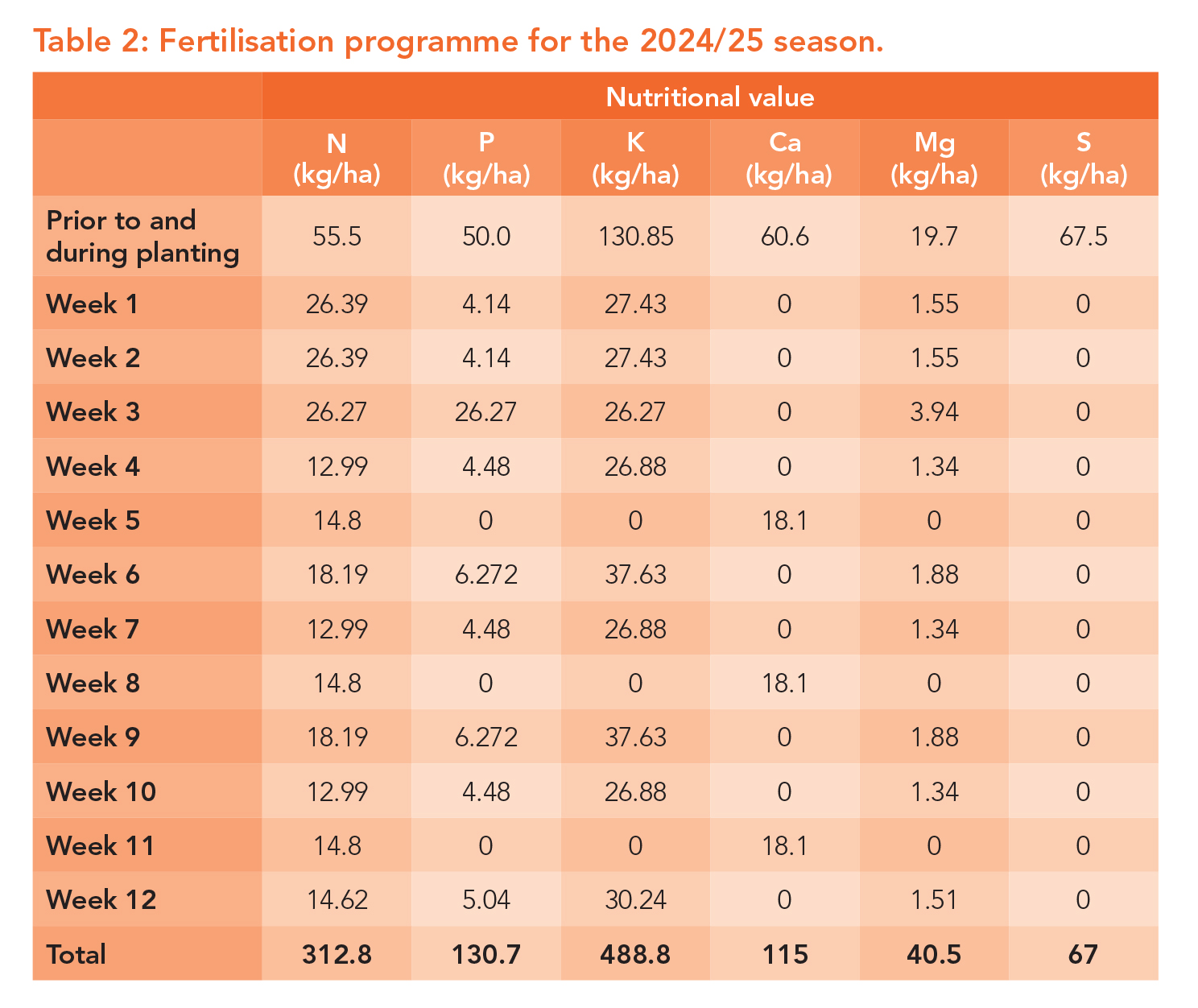
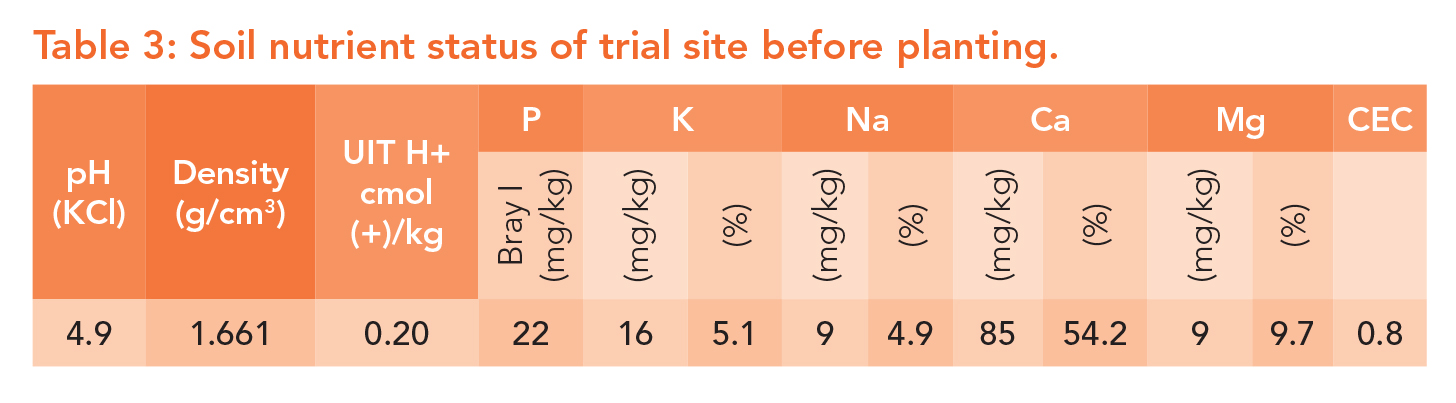
The Aurora trial was conducted in sandy soil and laid out in a randomised block design with three replications per cultivar. Table 1 contains additional technical information regarding the trial. Table 2 sets out the fertilisation programme for the season. Soil samples were taken prior to planting to determine the soil’s nutritional profile at the trial site (Table 3).
Pivot maintenance occurred on a rotational basis.
The cultivar trial included cultivars with short and long growing periods. For this reason, growing periods can influence the eventual yield of certain cultivars. The length of growing periods is subject to the nature of the seasons but is generally regarded as the time that passes from emergence to natural leaf senescence. Table 4 sets out how these growing periods differ among cultivars. Table 4 also sets out the plant readiness of tubers at the time of planting, as well as the haulm count observed later in the growing season.

Marketing-related results
The evaluation of new cultivars, as in the case of the Aurora cultivar trial, also provides results relating to yield and marketing index, as well as baking quality and processing characteristics. The marketing index of the cultivars involved is calculated by classing and sorting each cultivar based on quality and size groups (for example Class 1 large or Class 2 large medium). Prices are then compared to market prices obtained at the time of harvest.
However, the performance of cultivars cannot be based solely on the results of a single specific season, as climate differs from one year to the next. Therefore, cultivars are preferably tested across several seasons.
Climate and weather conditions
As with any crop, factors such as temperature, radiation, water availability (whether through good irrigation scheduling or rainfall), and heat units have a significant influence on the potato plant during its growth period. Among these, the value of high-quality, plant-ready seed has long been recognised as particularly important. These factors are considered when evaluating cultivar performance. Applicable daily weather data for the season is obtained from a weather station located nearby.
The 2024/25 season received below-average rainfall – although Aurora falls within the winter rainfall region – with October being the exception, when considerably more rainfall was recorded. Minimum and maximum temperatures are presented in Figure 3. During the season considerable fluctuations in maximum temperatures were recorded, particularly at the start and towards the end of the growing period. Temperatures remained consistently high and were 0.7 °C warmer than the previous three seasons. In total, 71 days of temperatures above 30 °C, 19 days above 35 °C and one day above 40 °C were recorded during the trial – slightly fewer than in the previous season.
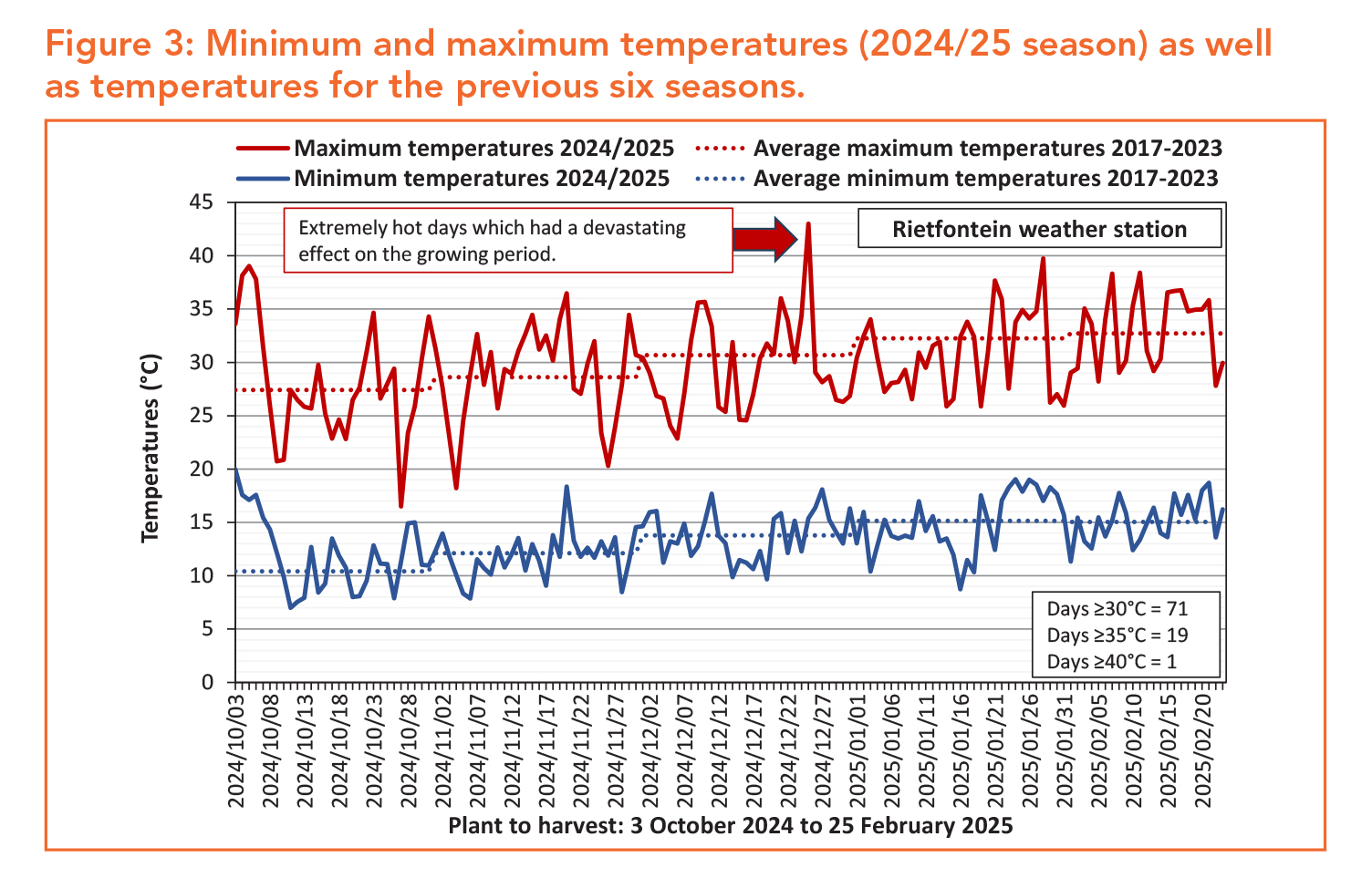
However, at the end of December several days had temperatures exceeding 40 °C, which had a dramatic impact on the crop’s growing period. The heat shortened the growth phase and had a significant negative effect on yield.
Heat units and radiation
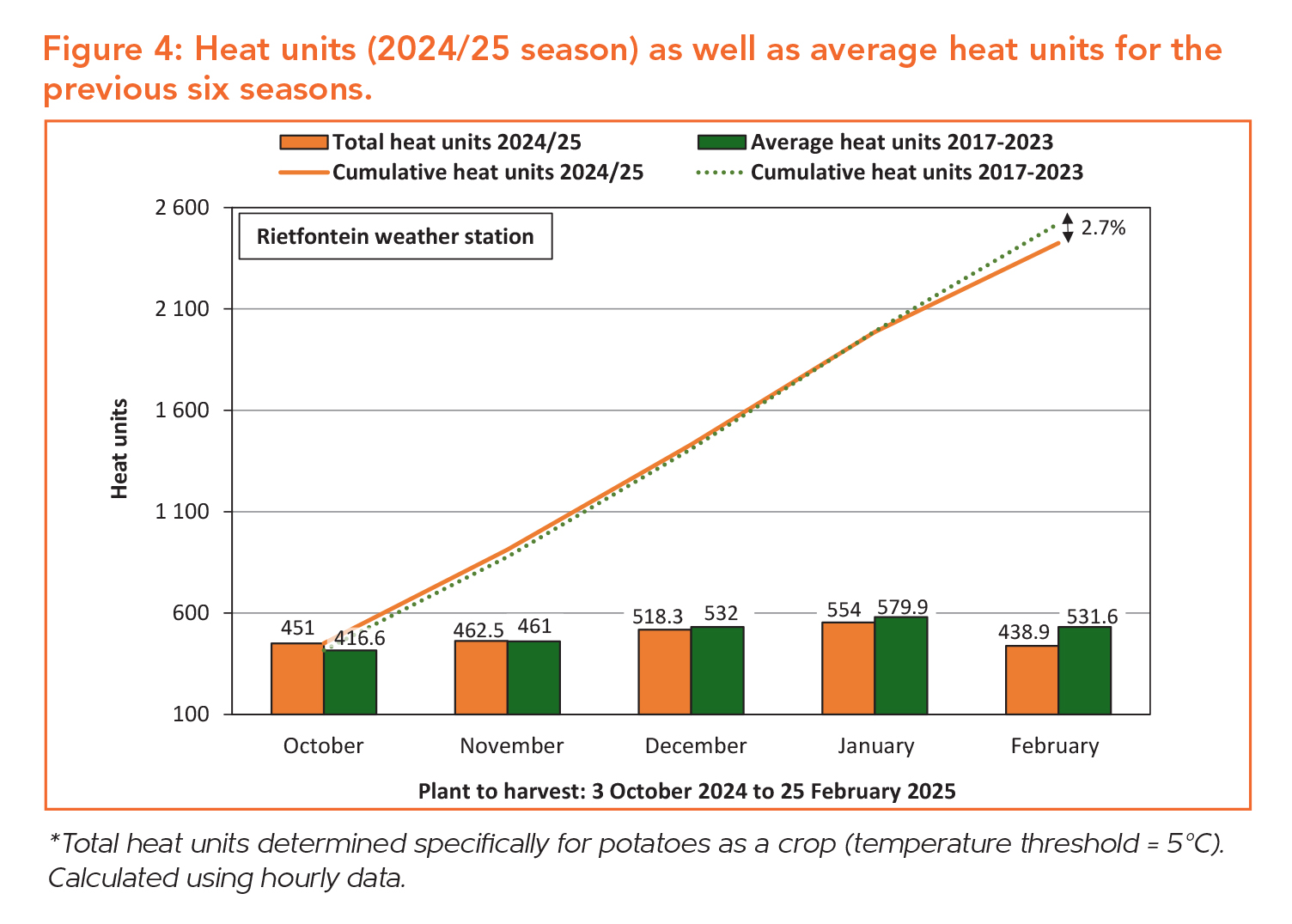
The collection of heat units during a growing period is an important factor in the development of a potato plant. The trend of heat units available for this season’s Aurora cultivar trial appears to be very similar to, yet lower than, that of previous seasons (Figure 4).
Another important factor to consider is the amount of daily radiation (Figure 5). This is a measurement of the solar energy reaching a horizontal surface. An increase in radiation during the growth period enhances photosynthesis. The average daily radiation for the past season was lower than the previous two seasons, which partly explains the poor yield.
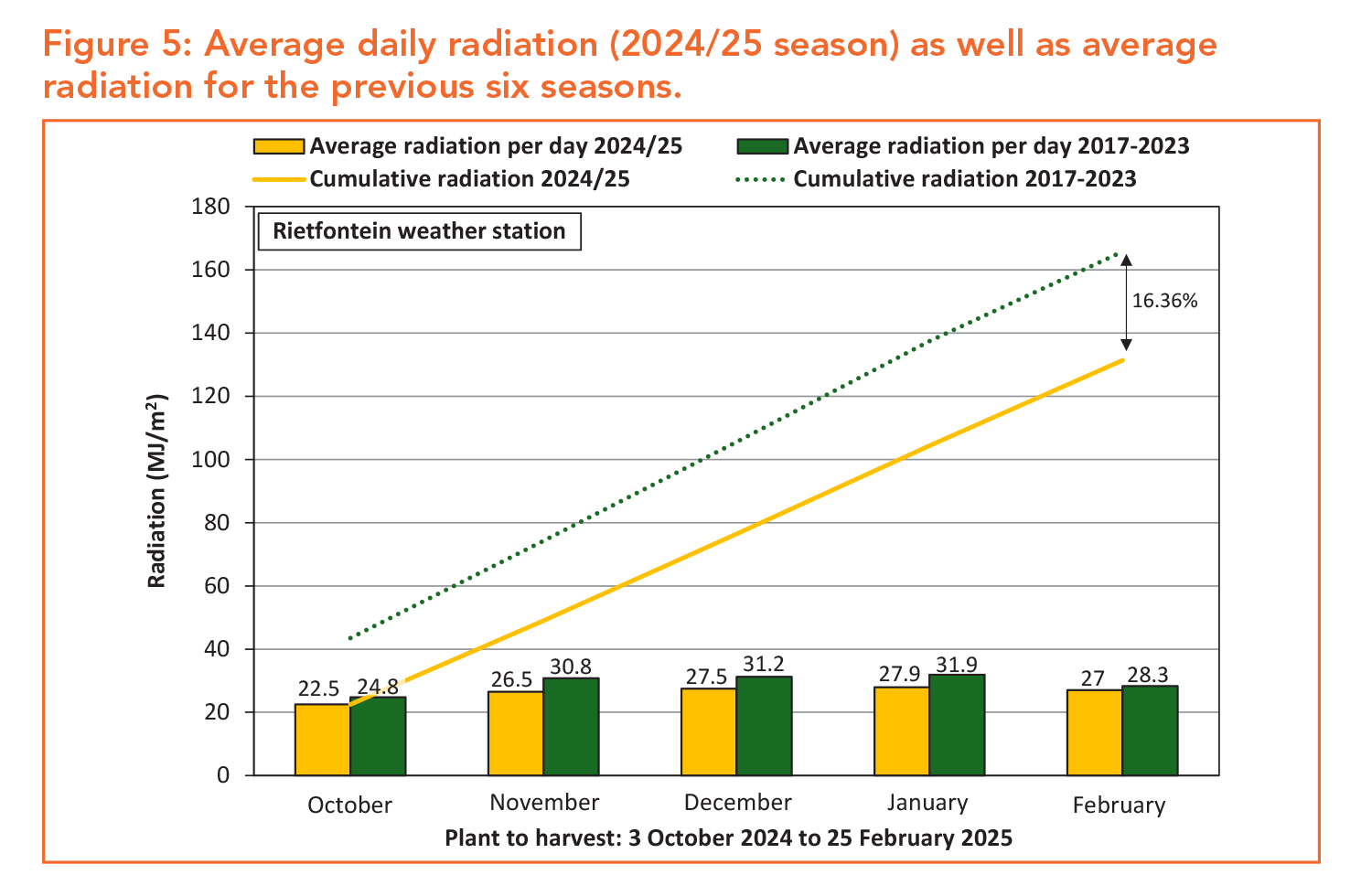
When long-term data is considered, the accumulation of radiation – which was measured daily – was 16.36% lower this season compared to the period between 2017 and 2024. Radiation, and therefore photosynthesis and final yield for the entire season, were lower than in previous seasons.
Cultivar effect
Yield data recorded during harvesting is statistically processed using the GenStat® program. The Tukey test of least significant differences (LSD) was used to separate the mean.
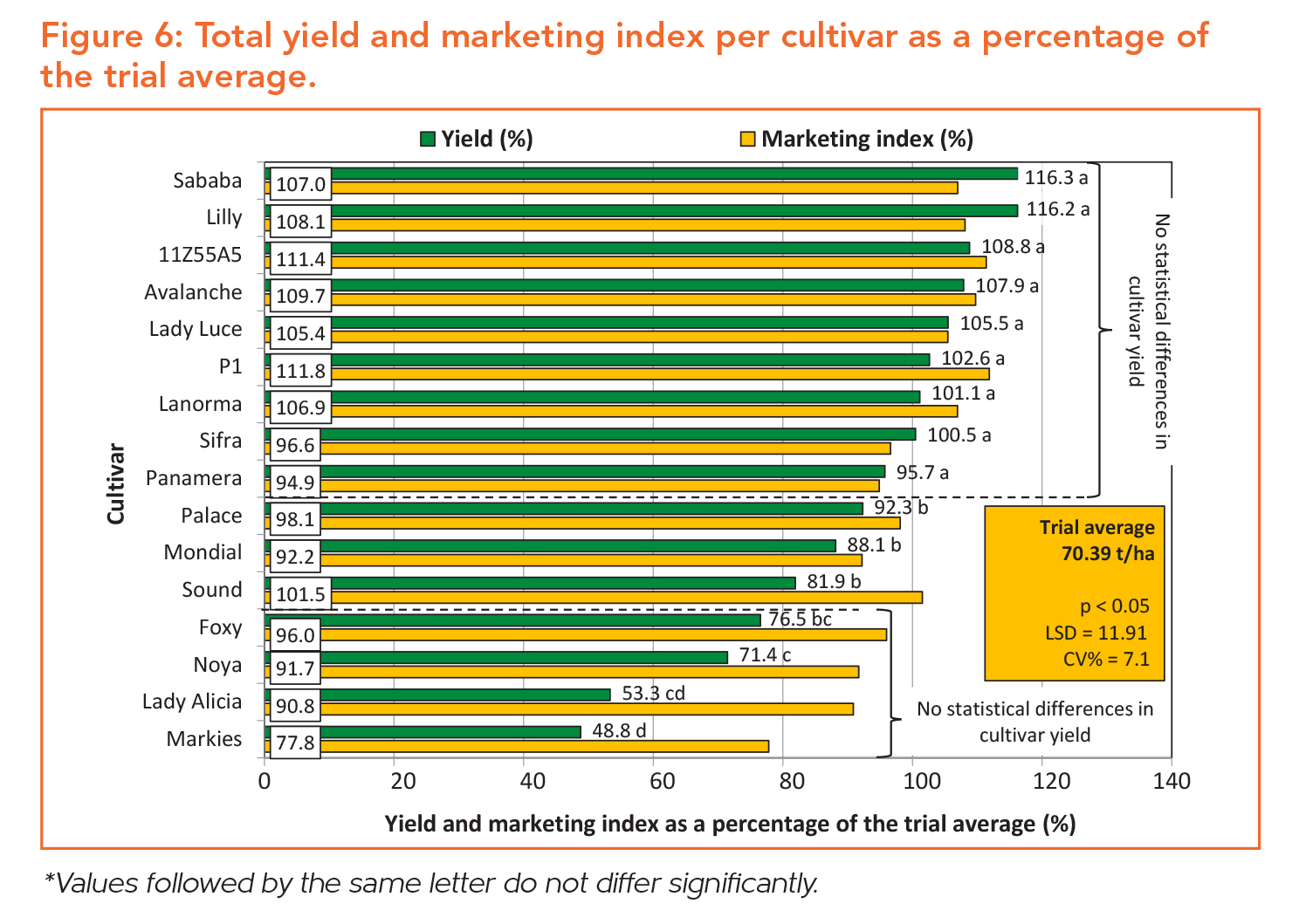
The cultivar effect during this trial (Figure 6) was statistically significant (p<0.05) and the coefficient of variation (CV) was within limits (7.1%).
These factors indicate that the trial was well executed, and the results are therefore reliable.
The yield of each of the cultivars is divided by the trial average, with the average of all the cultivars taken as 100%. This is used to determine a yield index and each cultivar’s performance in terms of yield is read as a percentage of the trial average.
Trial yield
The average yield of the trial for the 2024/25 season was 70.39 t/ha, significantly lower than the average of 92.1 t/ha recorded over the previous five seasons. Mondial’s yield was analysed using the LINTUL crop simulation model which estimates crop growth, development and yield based on factors such as climate, soil, and management practices.
The model functions by stimulating the potato plant’s physiological processes (photosynthesis, respiration and tuber formation) and uses complex calculations to generate outcomes such as yield potential.
Interestingly, the LINTUL simulations conducted over the past four seasons have shown that Mondial grown in this region has an average yield potential of 129.8 t/ha (and 118.4 t/ha in the past season), whereas an actual yield of only 67.7 t/ha was realised.
A possible explanation for this low yield, as previously mentioned, could be a period of very hot conditions at the end of December (as indicated by the arrow in Figure 3). During this season the plant grew for only approximately 115 days, whereas in other years they had at least ten more days to grow optimally and produce yield. This illustrates the significant impact that climate can have on yield when the growing period is shortened even slightly.
Sababa, Lilly, 11Z55A5, Avalanche, Lady Luce, P1, Lanorma, Sifra, and Panamera had the highest yields, with no statistical difference in yield.
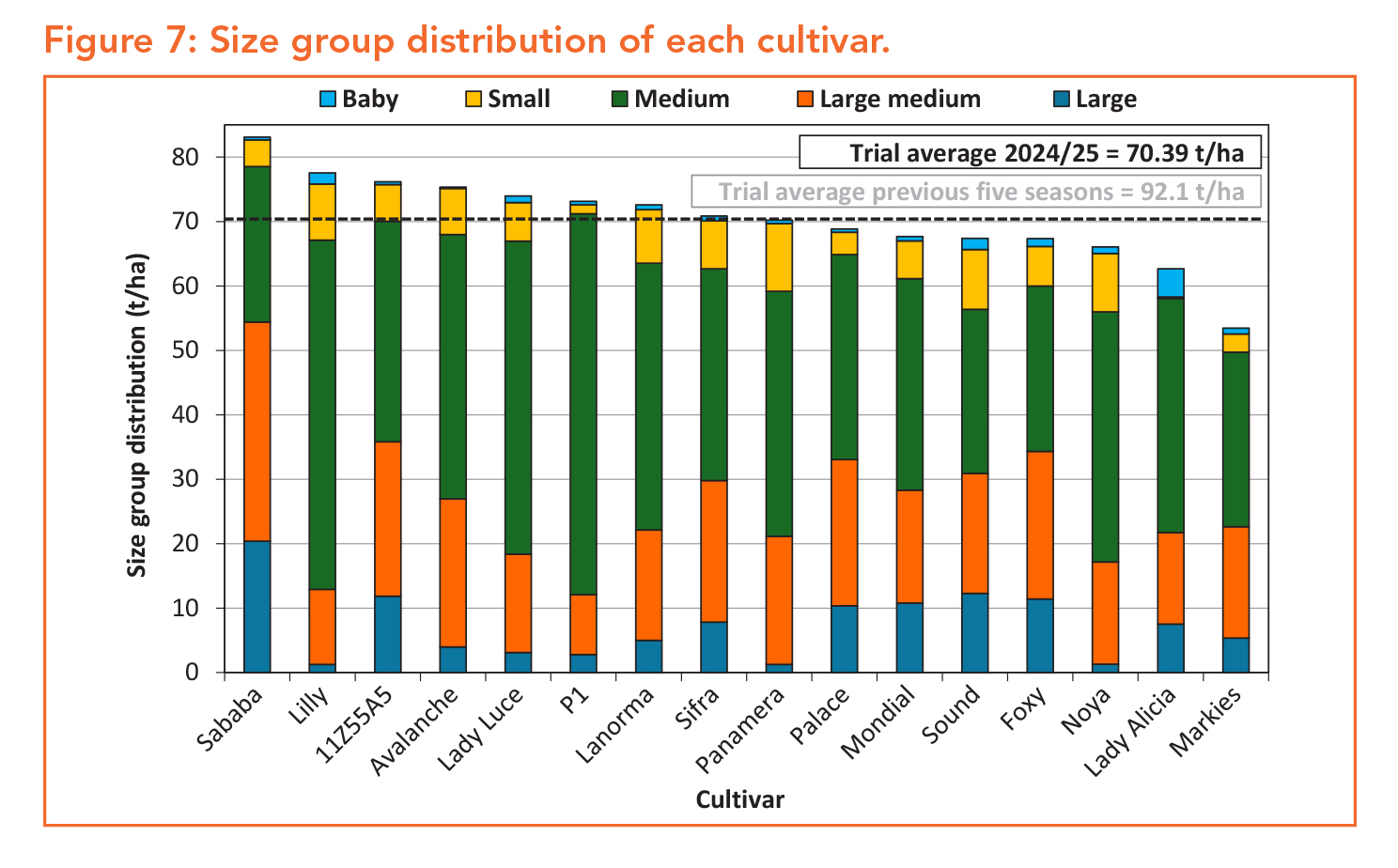
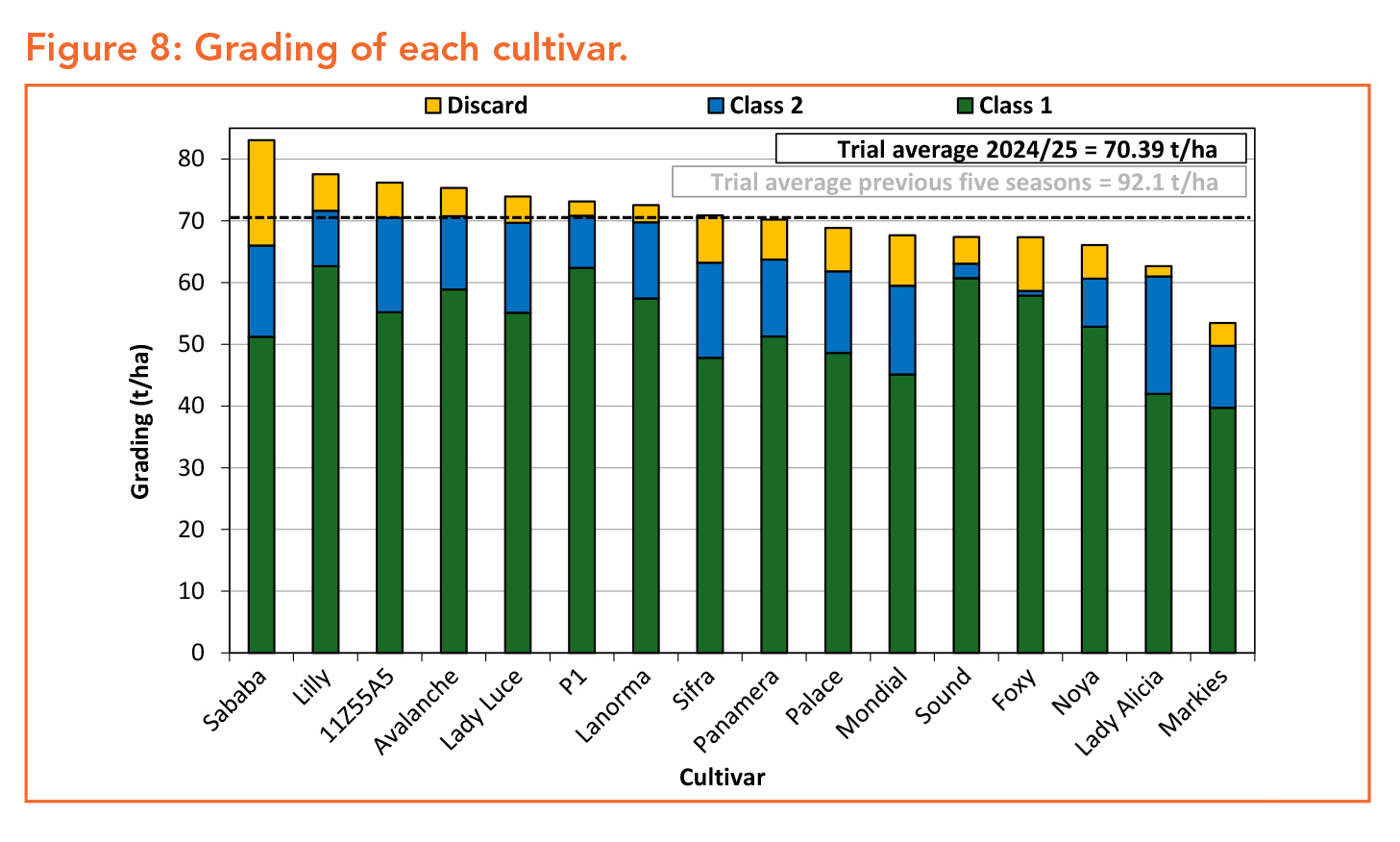
P1, 11Z55A5, and Avalanche achieved the highest marketing index. A high marketing index is ascribed to a higher yield of large and Grade 1 potatoes. The aforementioned cultivars may have benefited from earlier tuber formation, which could have helped them be less affected by heat stress compared to other cultivars. A high percentage of unmarketable potatoes will negatively affect the marketing index.
Size distribution and grading are therefore informative evaluations when assessing a cultivar’s marketability (Figures 7 and 8). In this trial, only Grade 1 and 2 potatoes were graded, as opposed to unmarketable (waste) potatoes.
Cultivar performance
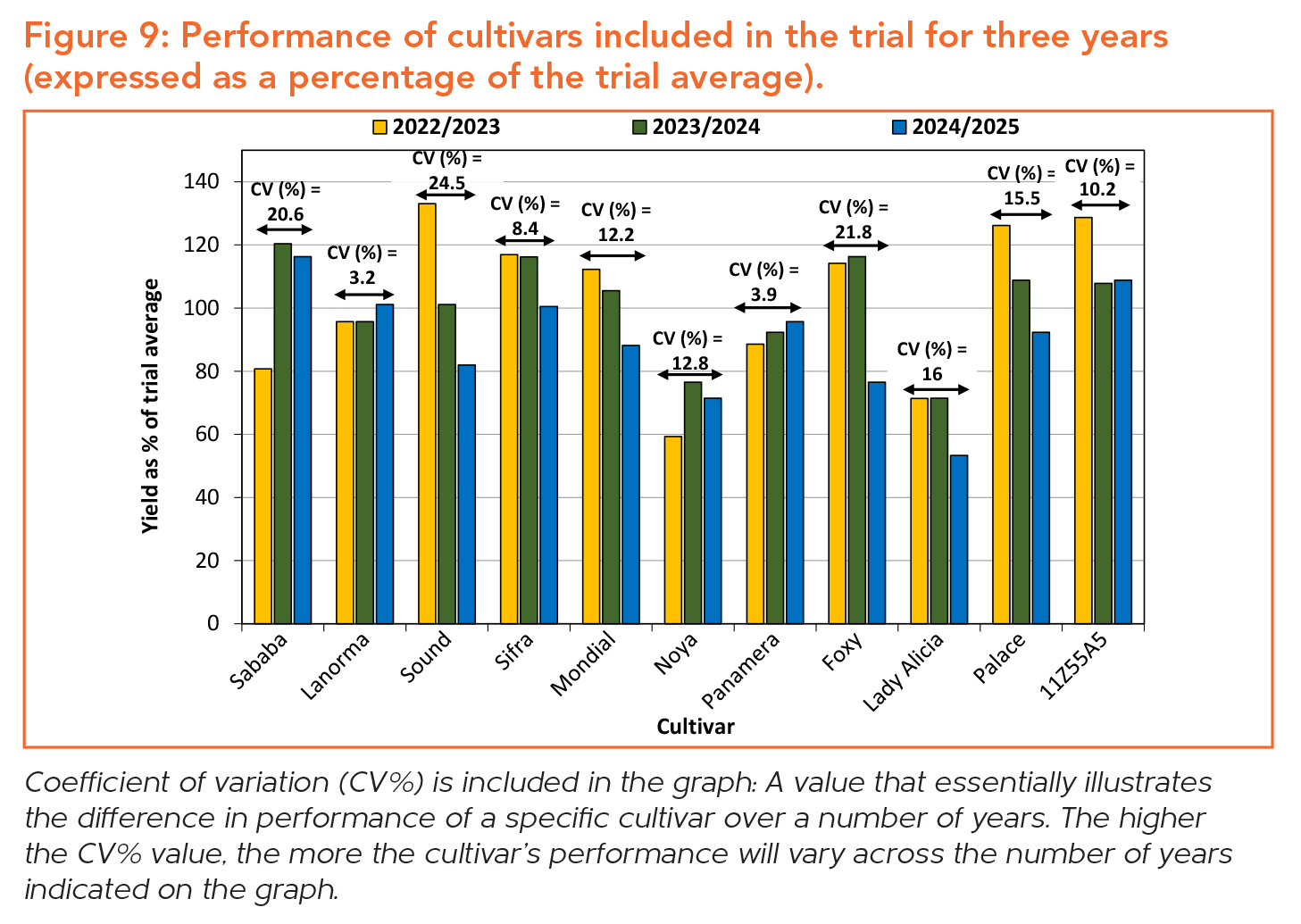
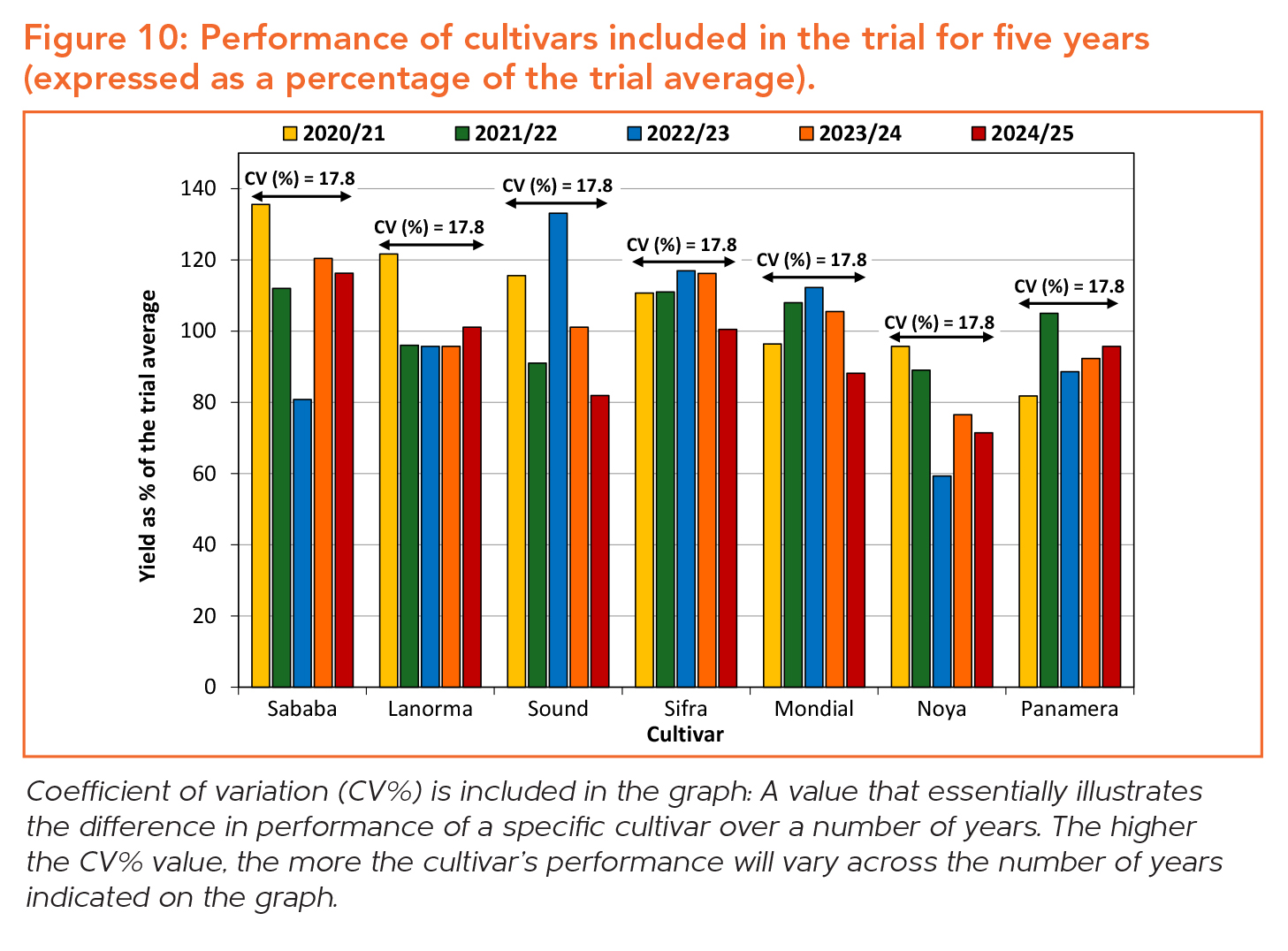
Given the nature of the seasons, cultivar performance will vary from one season to the next, simply because climate varies from one season to the next. Thus, it is important to consider consistent cultivar performance across a number of seasons. The cultivar variation over the past three and five seasons is shown in Figures 9 and 10, respectively. In this trial, Sifra, Panamera, and Mondial showed the most stability over a five-year period, with Lanorma performing consistently over the past three seasons.
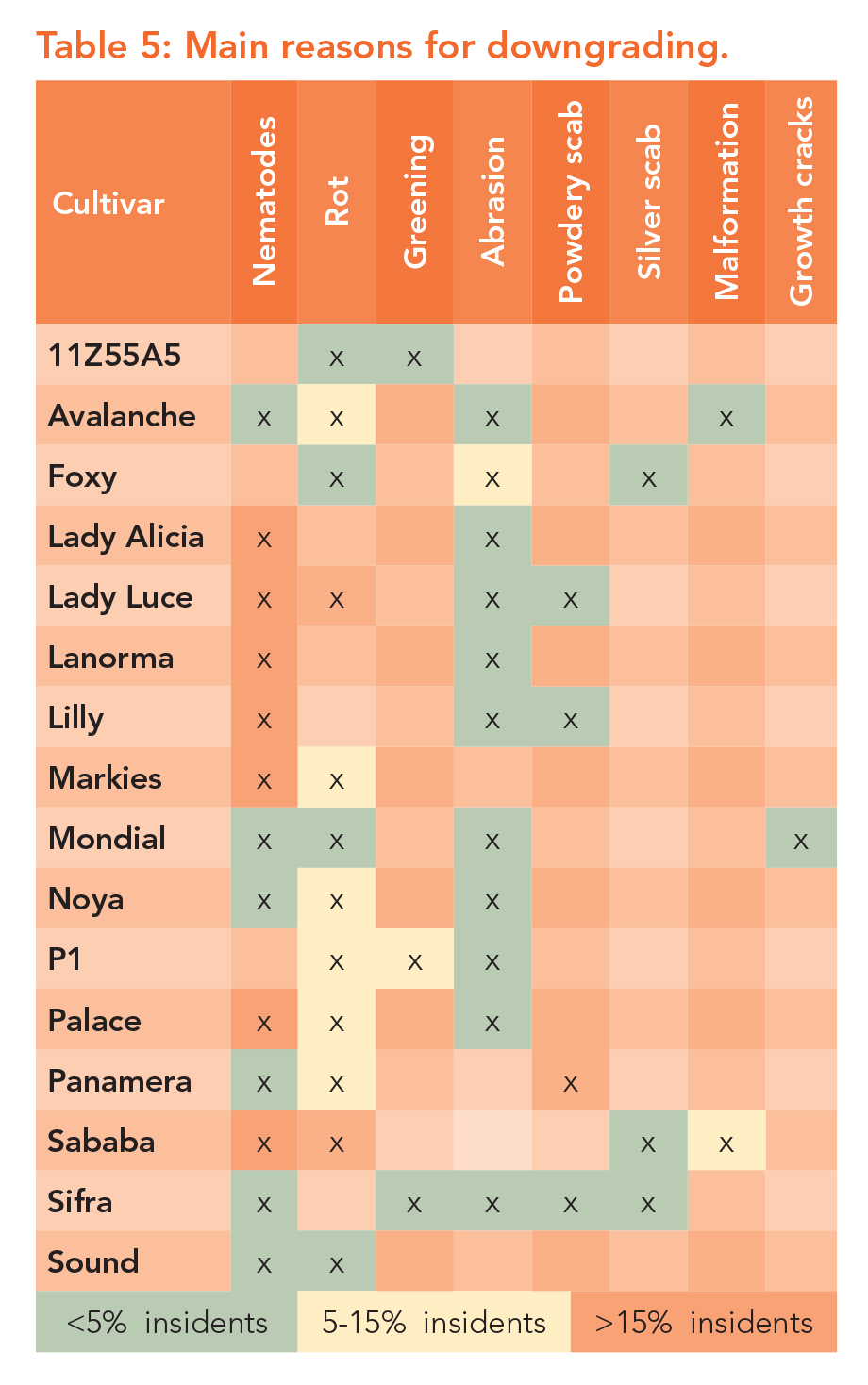
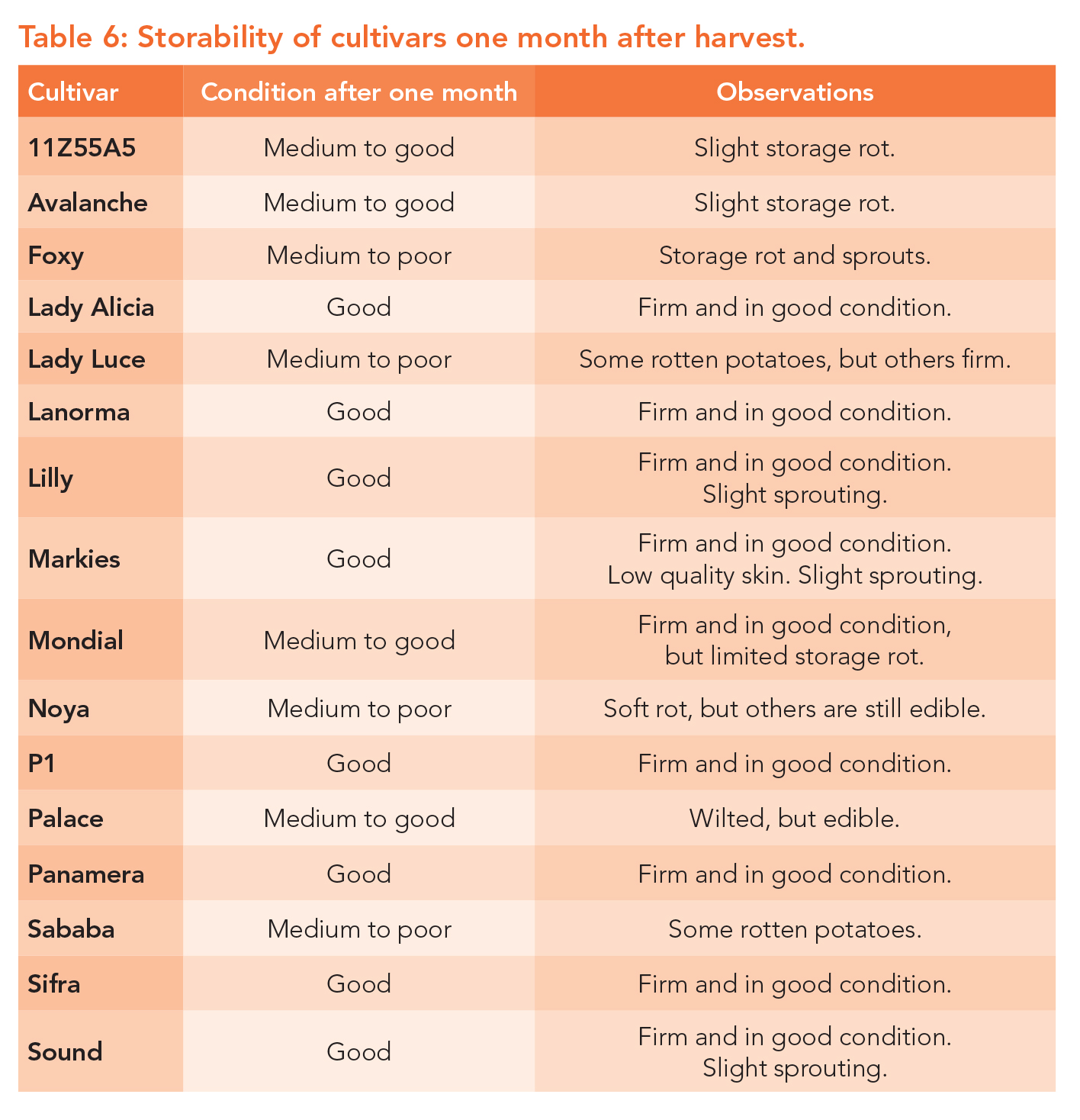
The main reasons for downgrading are indicated in Table 5. Nematodes, loose skin, and rot (spoiled) were the major causes for downgrading potatoes from marketable to waste. Storability was informally evaluated about a month after harvest, and observations of cultivar conditions are presented in Table 6.
Lastly, processing characteristics can also be evaluated when looking at the internal quality of potatoes.
To meet processing requirements, cultivars must meet a chip colour norm of >50 and a specific gravity (SG) of ≥1.075 (Table 7). Lady Alicia, Markies, P1, and Palace each met the SG requirement. Table 7 also shows the internal flesh colour and baking quality of the respective cultivars. – Enrike Verster, Potatoes SA, Piet Brink, Sandveld working group, and Albert de Villiers, producer

Special thanks to Albert de Villiers and the Sandveld working group, all trial participants, and relevant Potatoes SA staff. For more information, send an email to enrike@potatoes.co.za