
World potato markets: Oversupply and uncertainty
Estimated reading time: 4 minutes
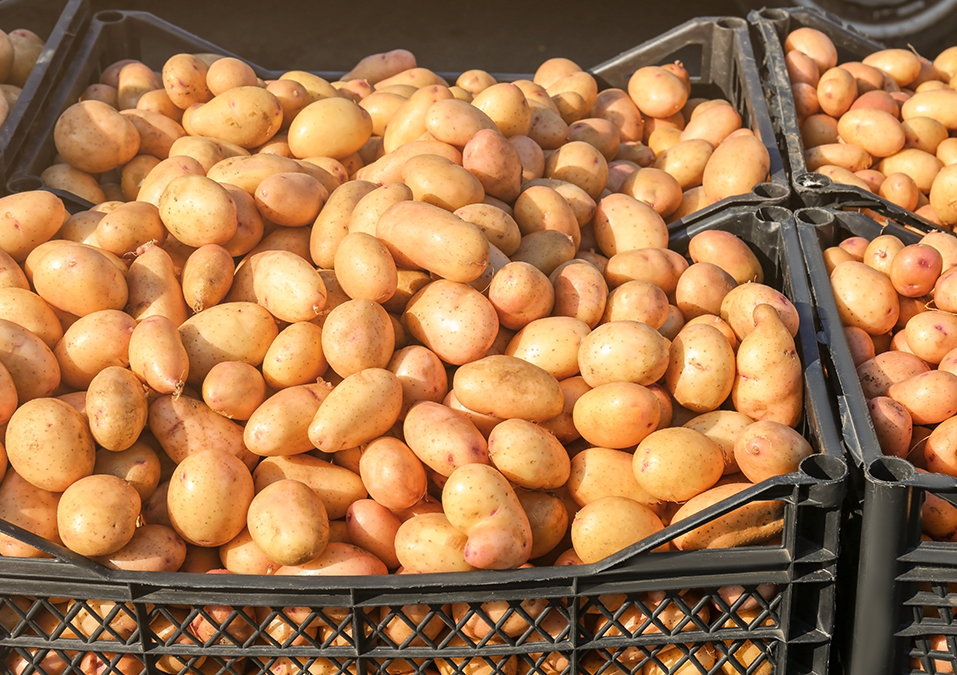
The contemporary global potato market is characterised by a pronounced imbalance between supply and demand, particularly in Europe and North America. The 2025 harvest generated a substantial oversupply, which continues to exert downward price pressure across fresh and processed segments.
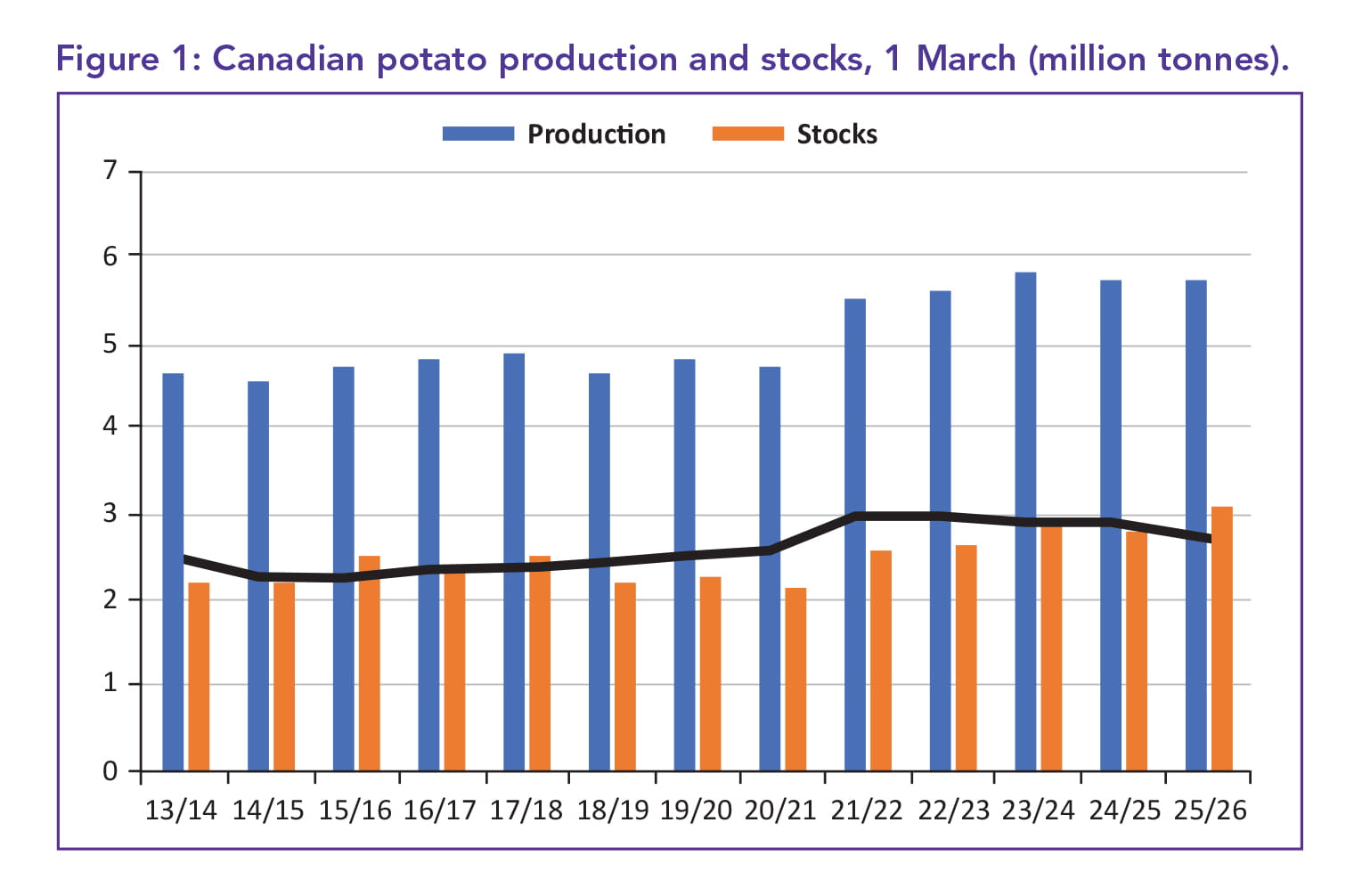
In Europe, this surplus has reached critical levels, resulting in historically low market prices and even instances of negative pricing, where producers incur costs to dispose of excess stock. Similarly, Canada has reported record potato stocks exceeding three million tonnes despite a decline in usage, highlighting persistent excess supply in key producing regions (Figure 1). These developments underscore structural inefficiencies in production planning and demand forecasting within the global potato economy.
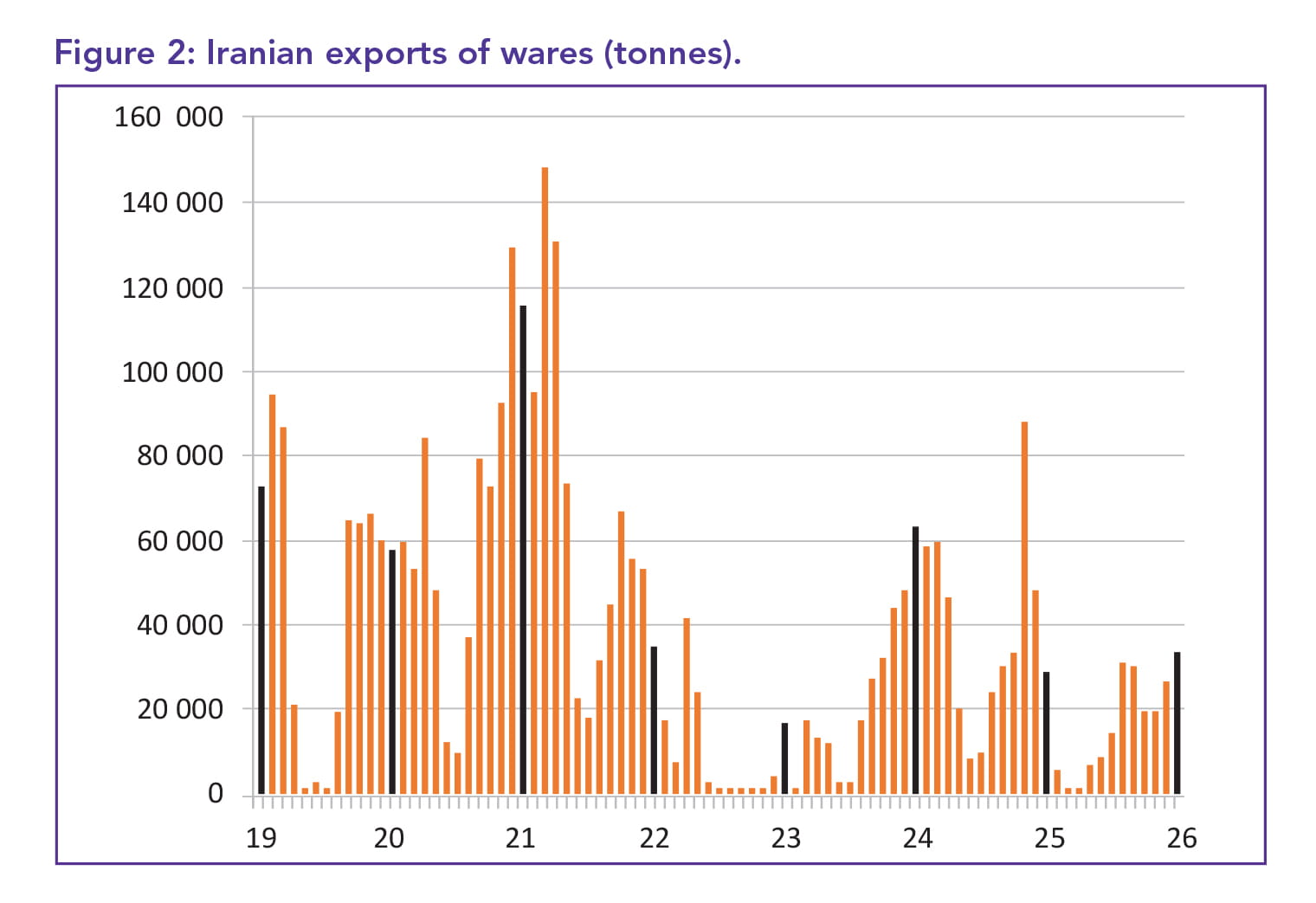
Geopolitical disruptions continue to compound these supply-side challenges, most notably the conflict in the Middle East (Figure 2). This has had far-reaching implications for global commodity markets, particularly through its impact on energy prices and shipping routes. Oil prices have risen by more than 10%, while European gas prices have almost doubled within a short period, increasing production and transportation costs across the agricultural supply chain.
Disruptions to key maritime routes, such as those passing through the Gulf region, have heightened logistical risks and expenses. Trade tensions, including tariffs imposed by the United States (US) on European potato products, have further distorted market dynamics by reducing competitiveness and altering established trade flows.
Shifting trade dynamics
The combined effect of oversupply and rising costs has resulted in a sustained price decline alongside weak demand in both fresh and processed potato markets. In Europe, retail demand has demonstrated only modest resilience despite significant price reductions, with some markets recording declining sales volumes even as prices fell.
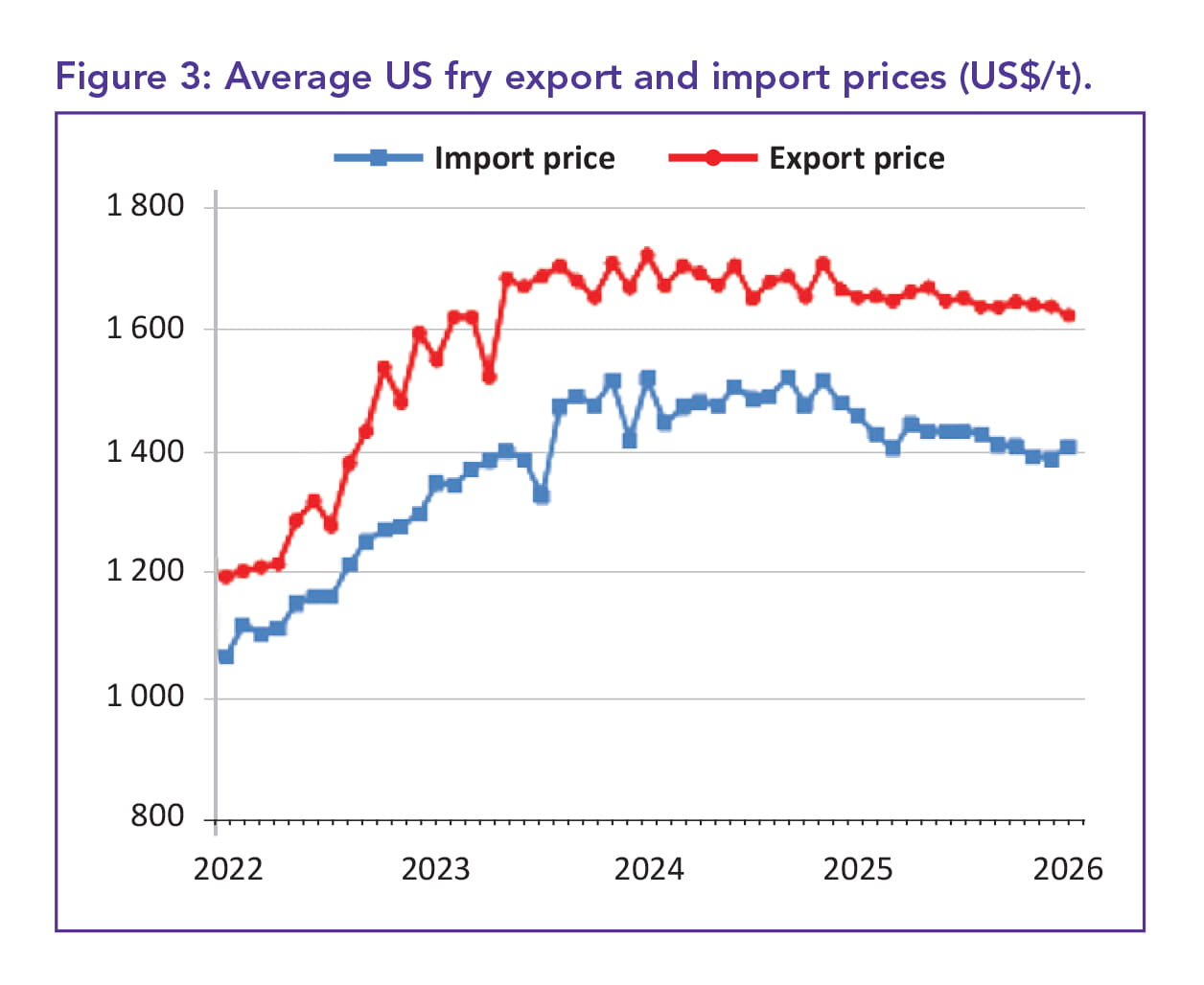
Processed potato markets, including frozen fries, have also experienced price pressures due to intense competition and excess inventories. In the US, fry exports and imports have declined, reflecting weaker global demand as well as the impact of trade barriers (Figure 3). Low prices and subdued consumption have reduced profitability across the value chain, affecting growers, processors, and exporters alike.
Regional contrasts further illustrate the uneven nature of current market conditions. While traditional producers in Europe and North America grapple with oversupply and declining margins, emerging exporters such as Egypt have expanded their presence in global markets. Egyptian fry exports reached record levels in 2025, supported by competitive pricing and strong demand from neighbouring regions (Figure 4).
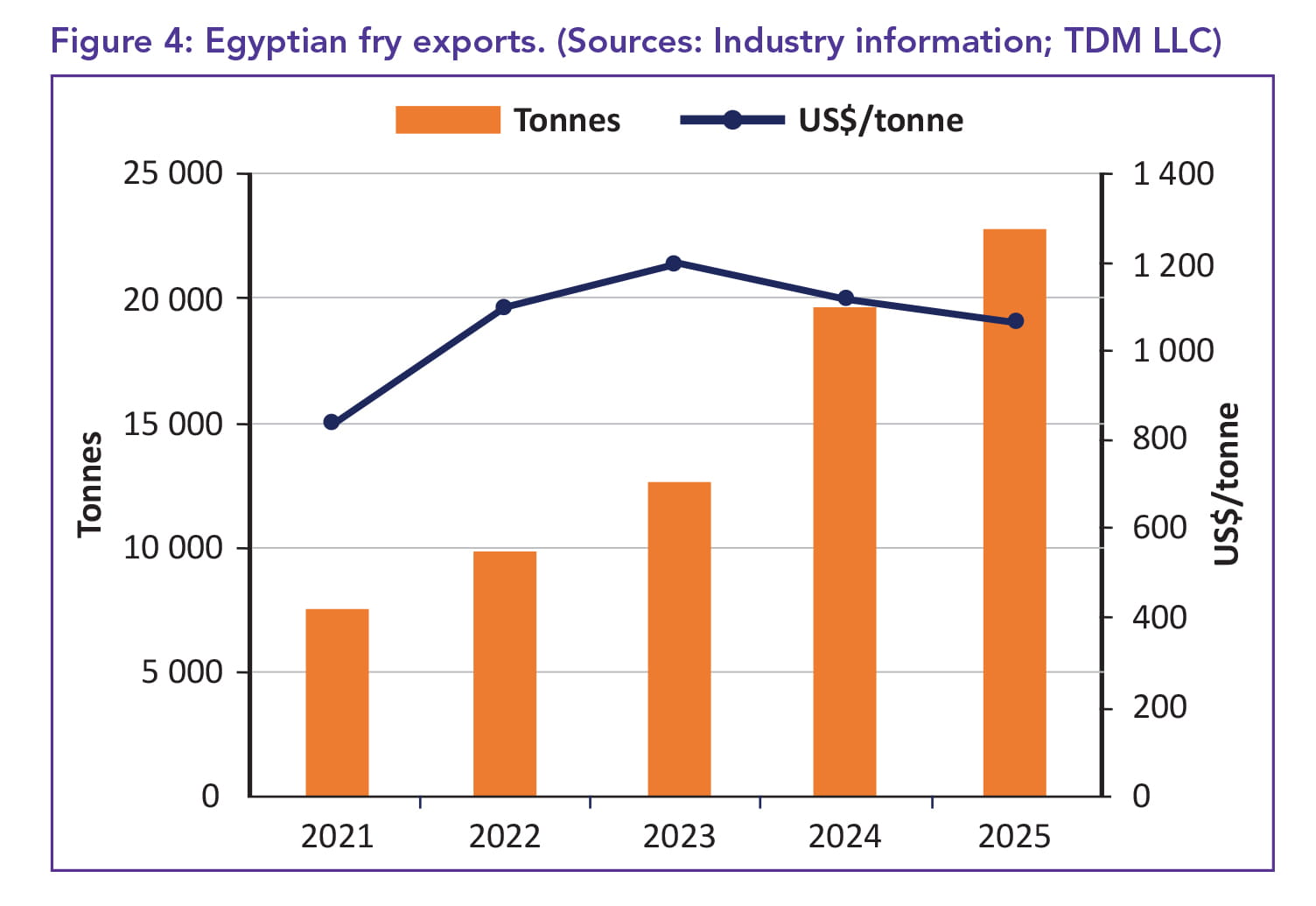
Egypt, alongside India and China, has increased its share of global trade, challenging established exporters. However, this growth remains vulnerable to geopolitical instability, particularly given the region’s reliance on Middle Eastern trade routes. Thus, while emerging exporters are gaining ground, their expansion is closely tied to external political and economic conditions.
Outlook for 2026
Looking ahead to 2026, the outlook for the potato sector suggests a cautious process of market rebalancing. In response to persistent oversupply and low prices, producers in Europe are expected to reduce planted areas, as illustrated in Figure 5, potentially alleviating some of the pressure on prices in the medium term.
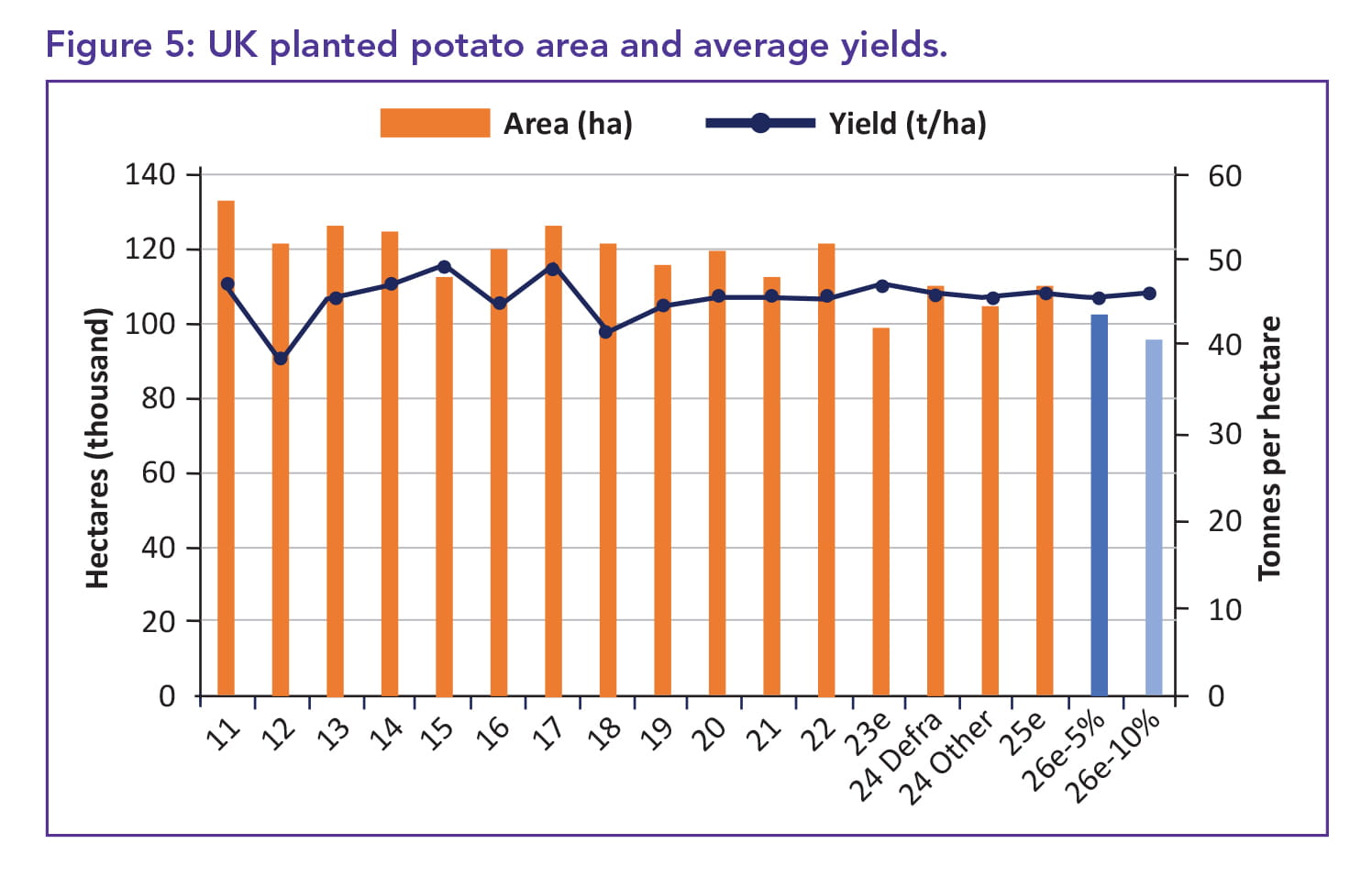
However, this adjustment is likely to be gradual, as existing stock levels remain high and demand recovery is uncertain. At the same time, ongoing geopolitical tensions and elevated input costs continue to pose risks to production and trade. Overall, the sector is entering a period of consolidation, in which reduced output and stabilising demand may eventually restore equilibrium, albeit within a more volatile and uncertain global environment. – Iniel Huggett, regional coordinator, Potatoes SA
Email the author at iniel@potatoes.co.za for more information.