
Estimated reading time: 9 minutes
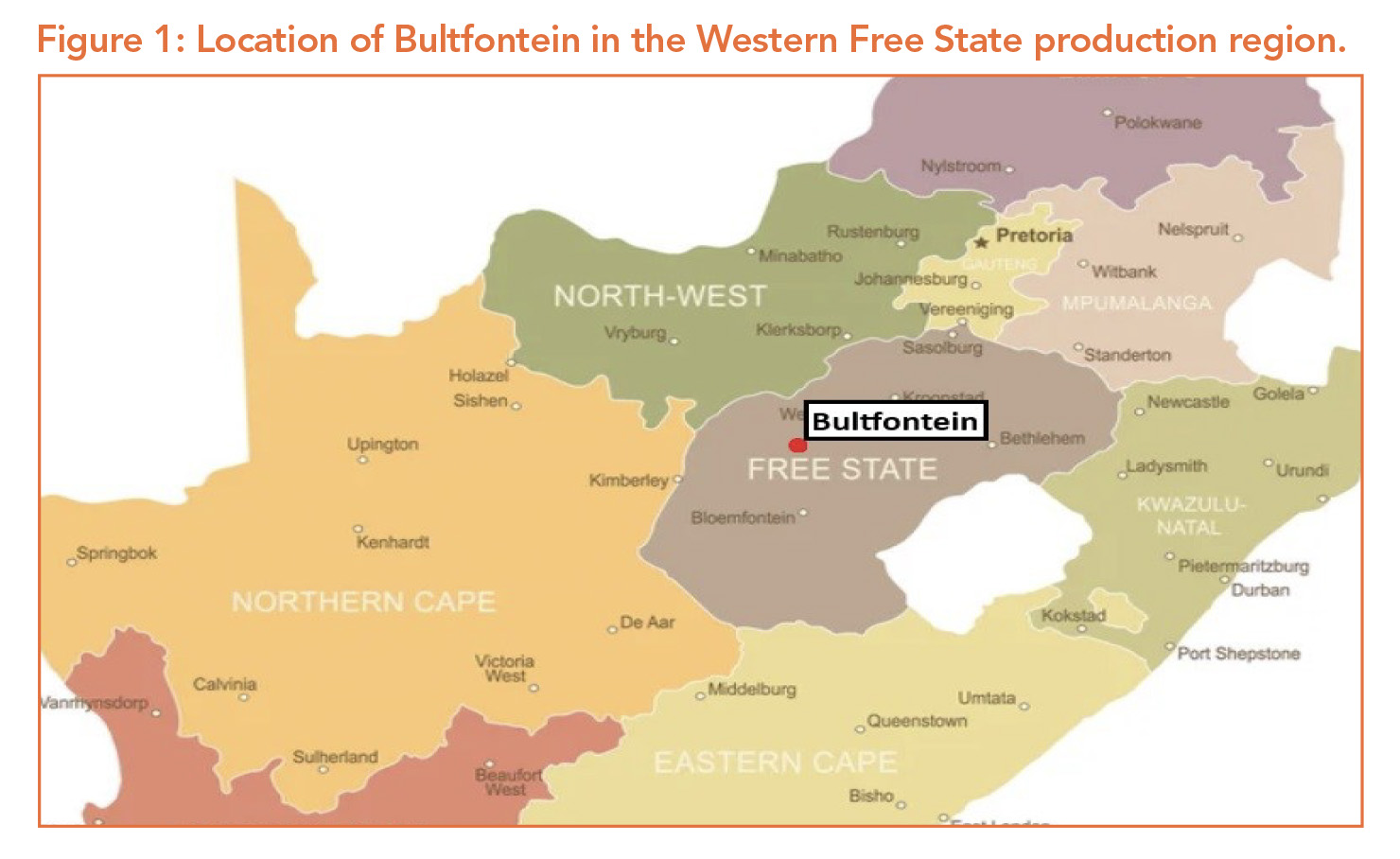
Approximately 51.1% of South Africa’s commercial potatoes are produced by 38 producers on 6 871 ha (2024 harvest year) in the Western Free State potato production region. The main cultivars produced for commercial consumption (table and processing), of which 91% are under irrigation, are Mondial (32%) followed by Sifra (28%) and Panamera (20%).
Bultfontein is located in South Africa’s summer rainfall area. The farm on which the trial was planted has recorded an annual average rainfall of approximately 580 mm over the last 23 years. This region is characterised by a moderate climate and very hot summers (hottest during December/January) and cold winters, with frost that can occur from April to August.
Trial design
The cultivar trial at Bultfontein was laid out in sandy loam soil in a randomised block design with three replications per cultivar. Technical information relevant to the trial is summarised in Table 1. Cultivars with short and long growth periods were included in the cultivar trial. The length of growing periods is subject to the nature of a specific season but is regarded as the time that passes from emergence to natural leaf senescence.
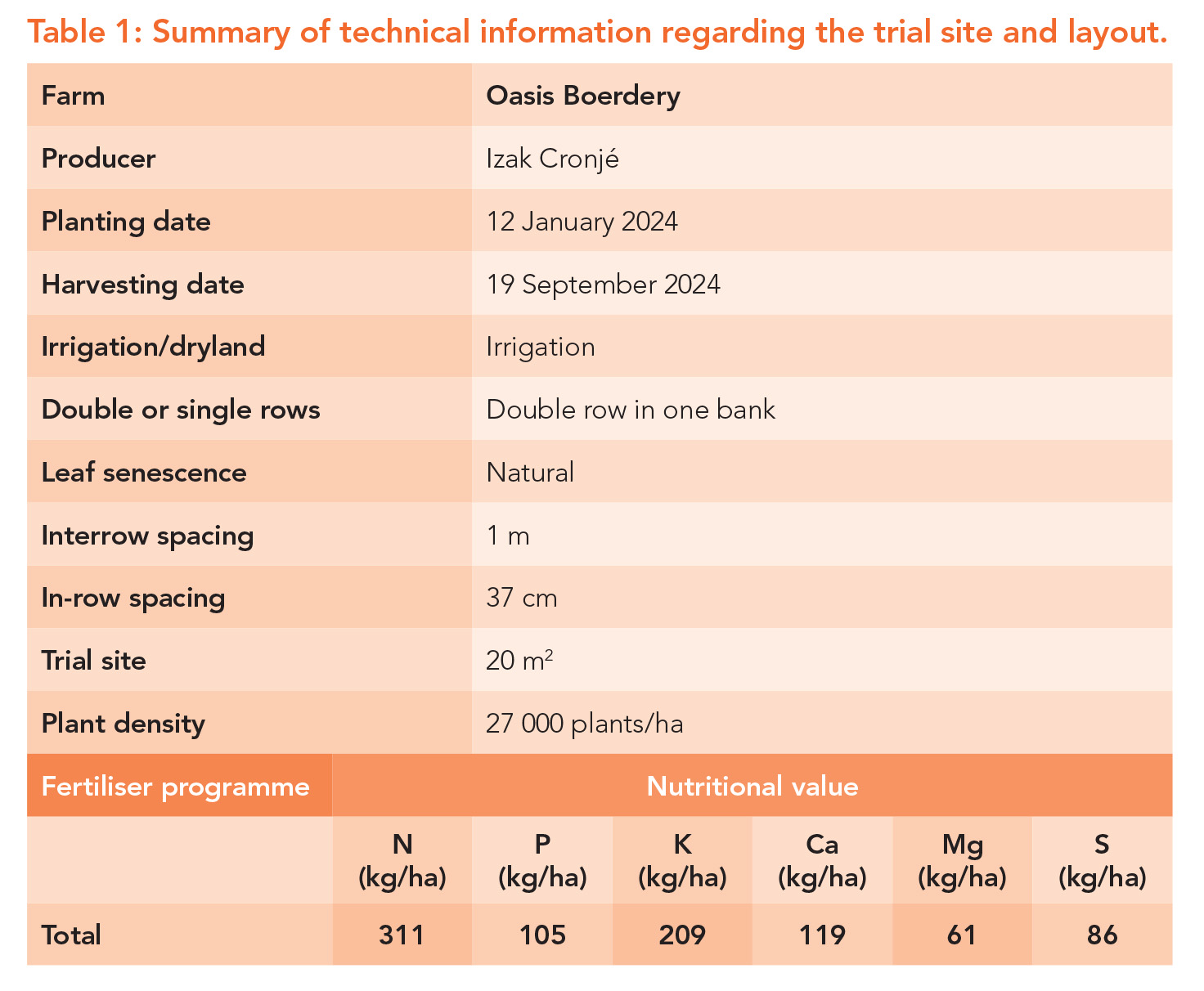
Table 2 outlines how these growing periods vary from cultivar to cultivar. Once the different growing periods have commenced, environmental factors and management practices will also have an influence. Tuber size and yield are influenced by density and haulm count. The number of axillary buds per tuber is cultivar dependent and will determine the number of sprouts yielded per tuber.
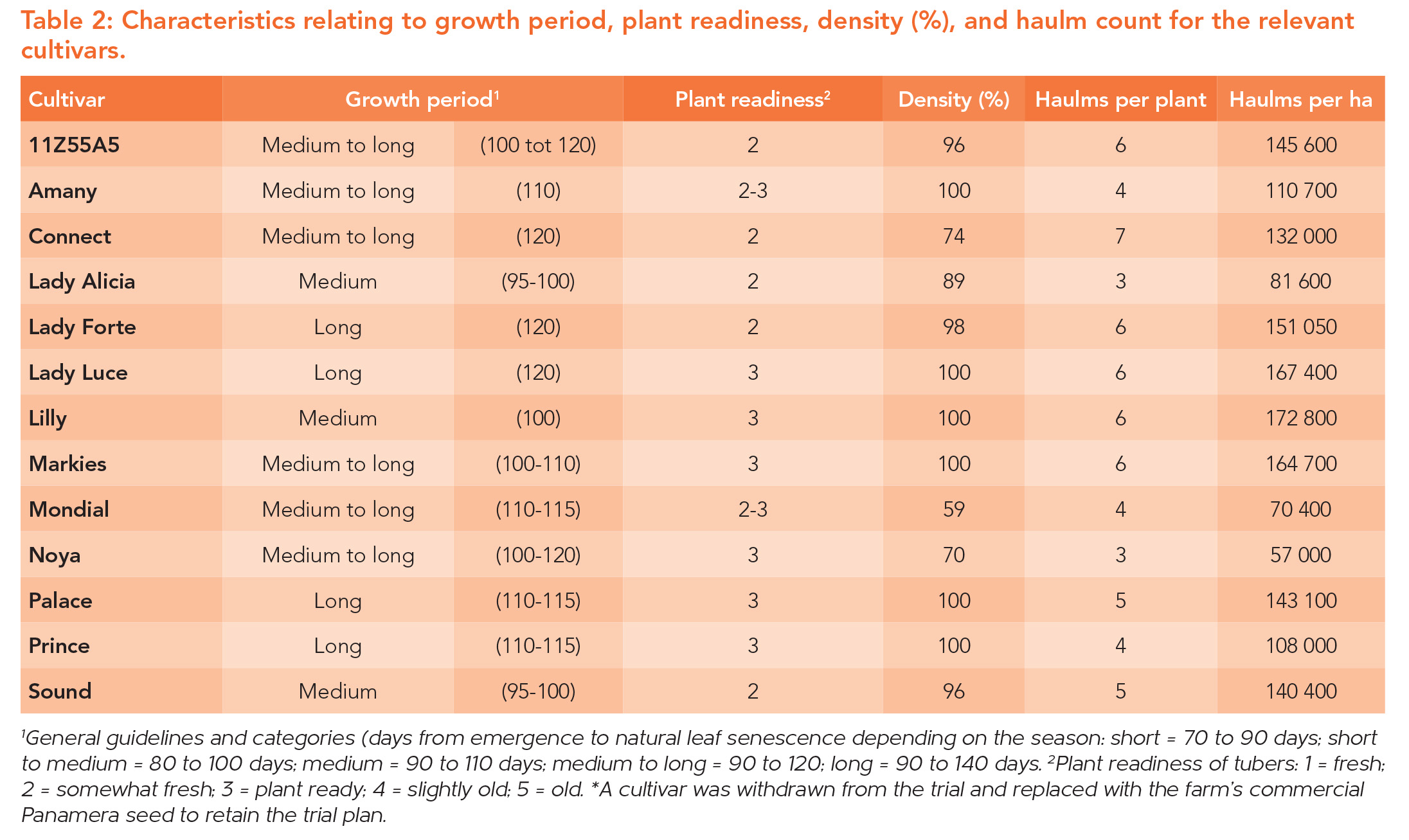
Plant readiness is an important factor since tubers that are plant ready usually sprout better and, per cultivar, yield the ideal number of stems per sprout compared to tubers that are not yet plant ready. Tubers that are too old produce numerous stems and form small bulbs. Table 2 also indicates the plant readiness of tubers during the trial as well as the plant density percentage and haulm count observed later in the growth period.
Representative soil samples were taken before plant to determine the nutritional status of the trial site’s soil (Table 3).

The evaluation of cultivars in a cultivar trial such as the Bultfontein trial among others provides results regarding yield and marketing index. The goal of the trial is to test the performance of specific cultivars in the region. Thus, it is very important to note that the cultivars should not necessarily be compared to each other, but rather to the control or farm standard programme.
Treatment performance
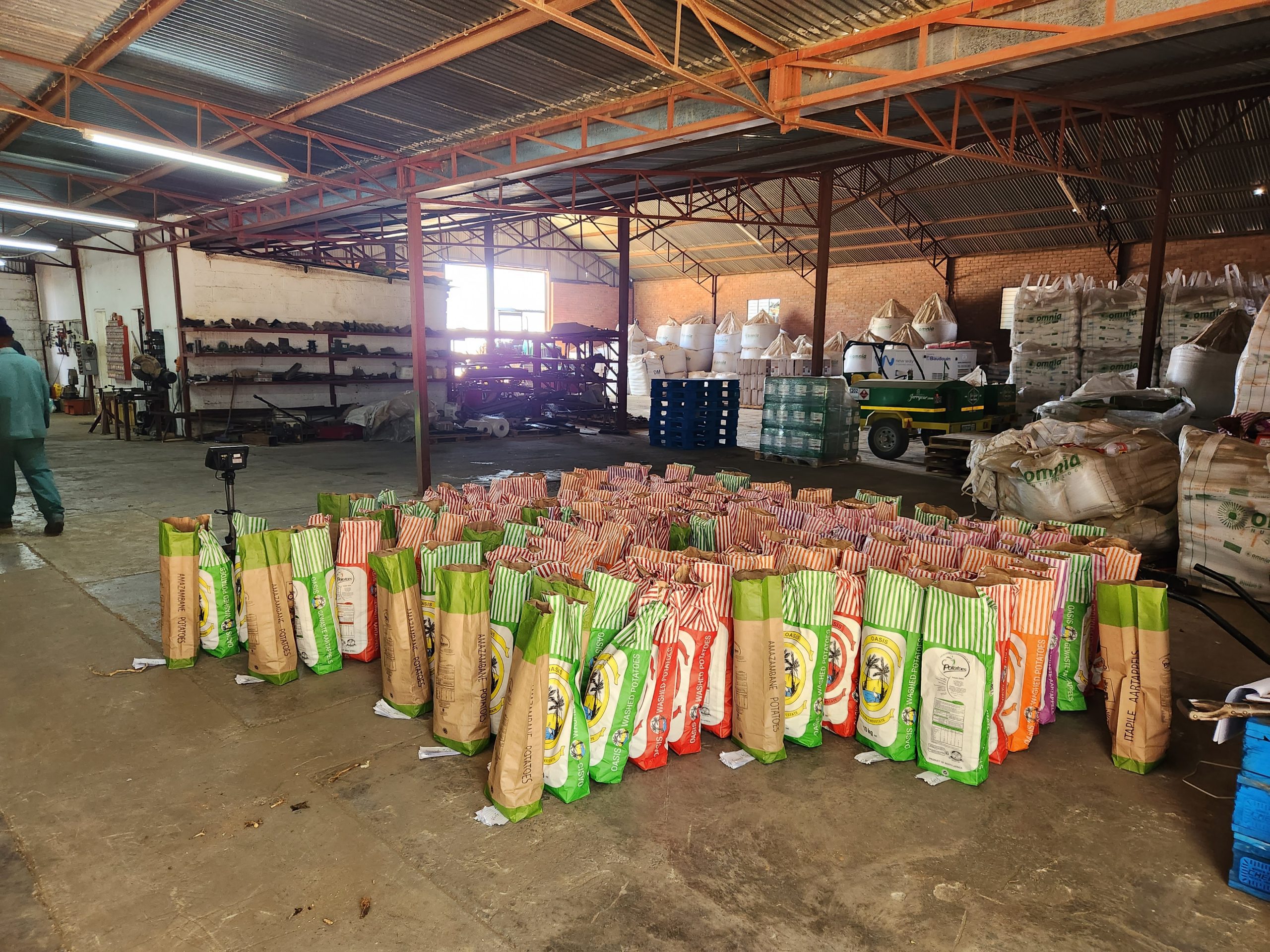
The marketing indices of the cultivars involved are calculated by sorting each cultivar according to quality and size distribution (such as Class 1 large or Class 2 large-medium). All three replications in this trial were thrown together, washed and sorted by the packing house.
Prices were then compared to prevailing market prices at harvest time. The performance of new cultivars cannot be based on the results of only one particular season, since climate and seed potato quality can vary from one year to the next. It is for this very reason that cultivars are preferably tested across several seasons.
As with any crop, temperature, water availability (good irrigation scheduling or rainfall), as well as heat units are important factors with a significant influence on the potato plant’s growing period. Hence, these factors are taken into account when evaluating cultivar performance.
Seasonal aspects
Relevant weather data regarding the season in question was obtained from a nearby Agricultural Research Council (ARC) weather station. The rainfall trend for the 2024 season is illustrated in Figure 2. Above average rainfall was recorded during April, closer to the end of the growing period.
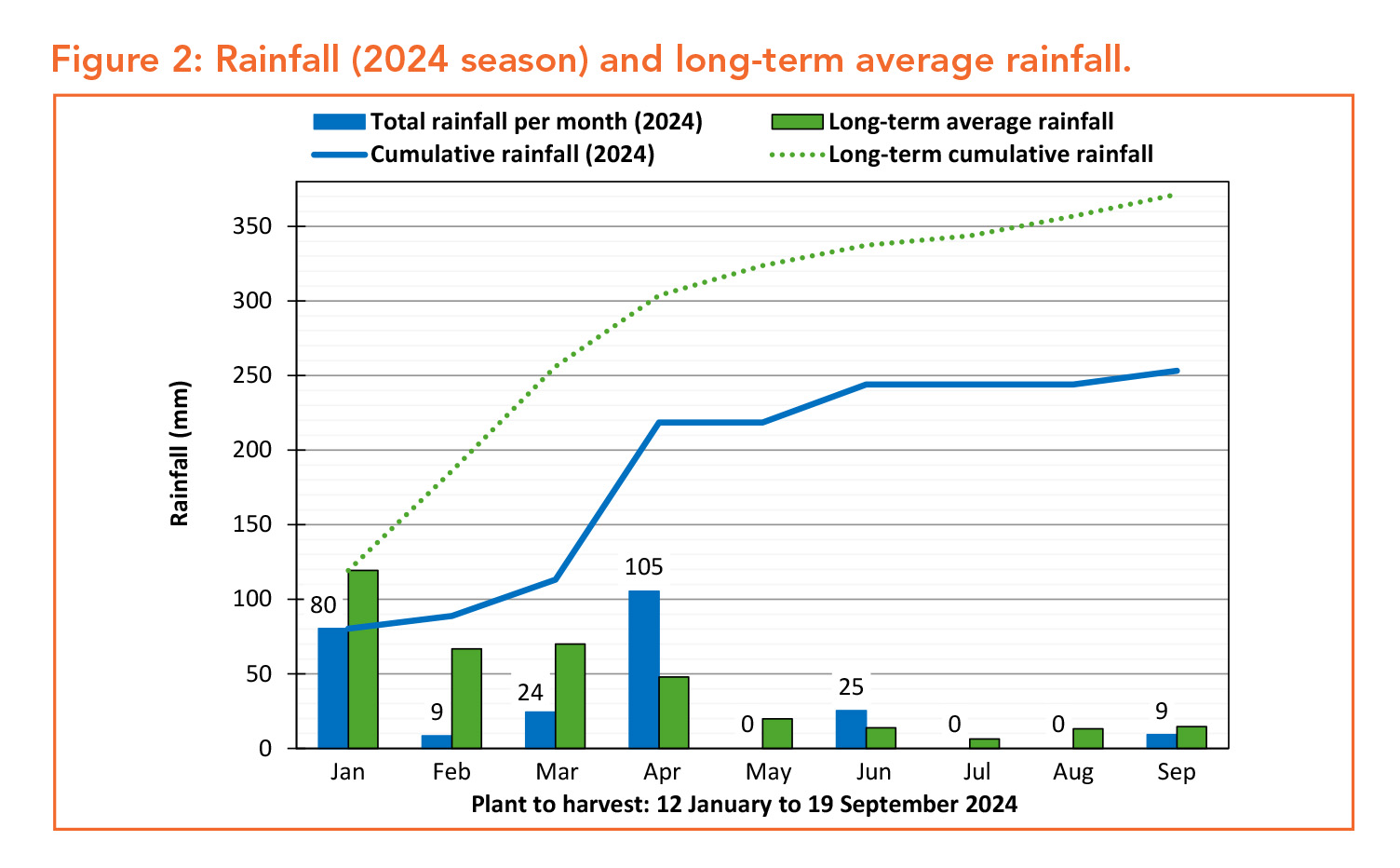
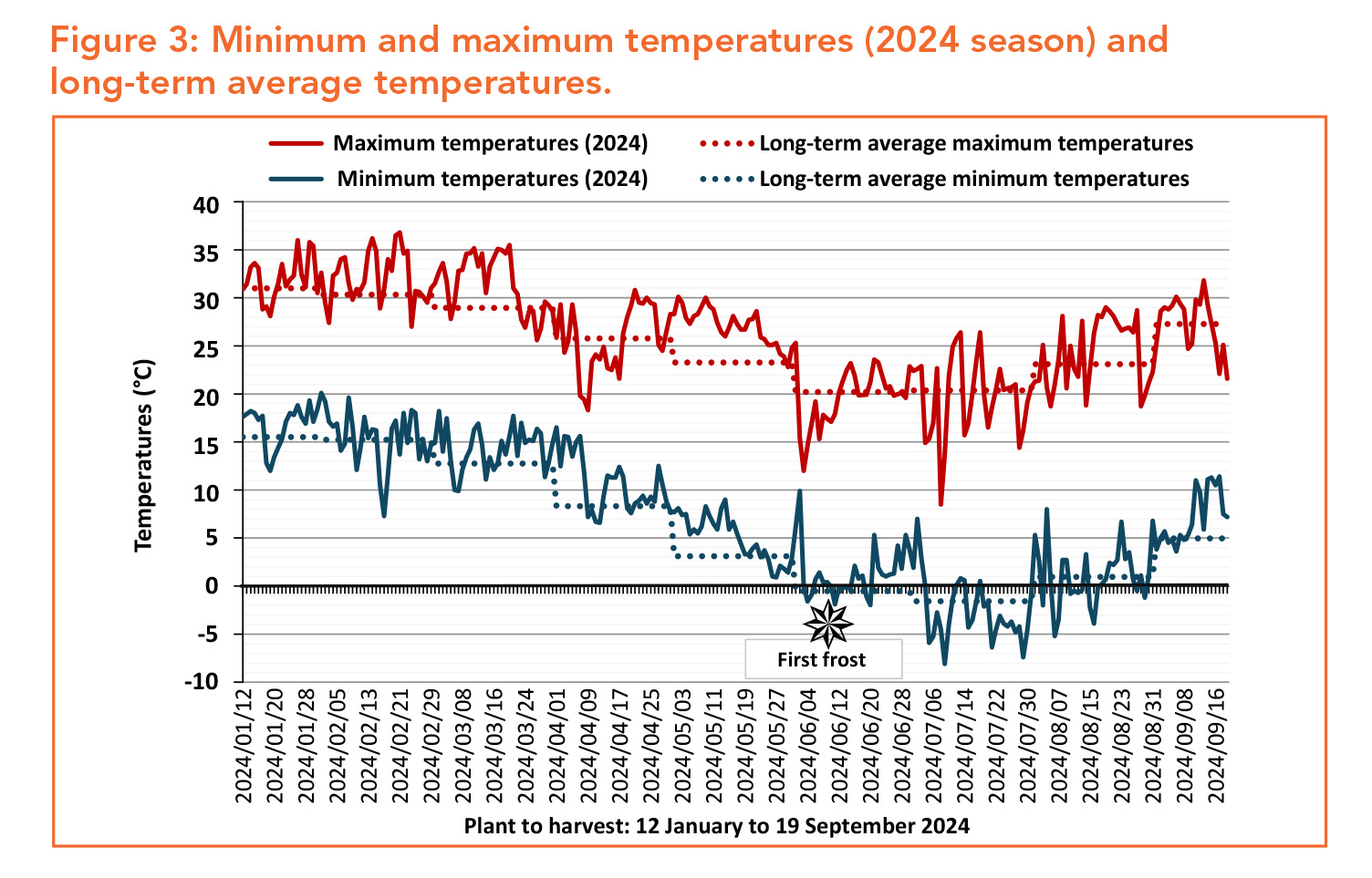
Figure 3 illustrates minimum and maximum temperatures. Major fluctuations in especially maximum temperatures were recorded throughout. Numerous days with temperatures between 30 and 35°C were recorded during the first two months after planting. Temperatures below 0°C only occurred in July and along with it, natural leaf senescence.
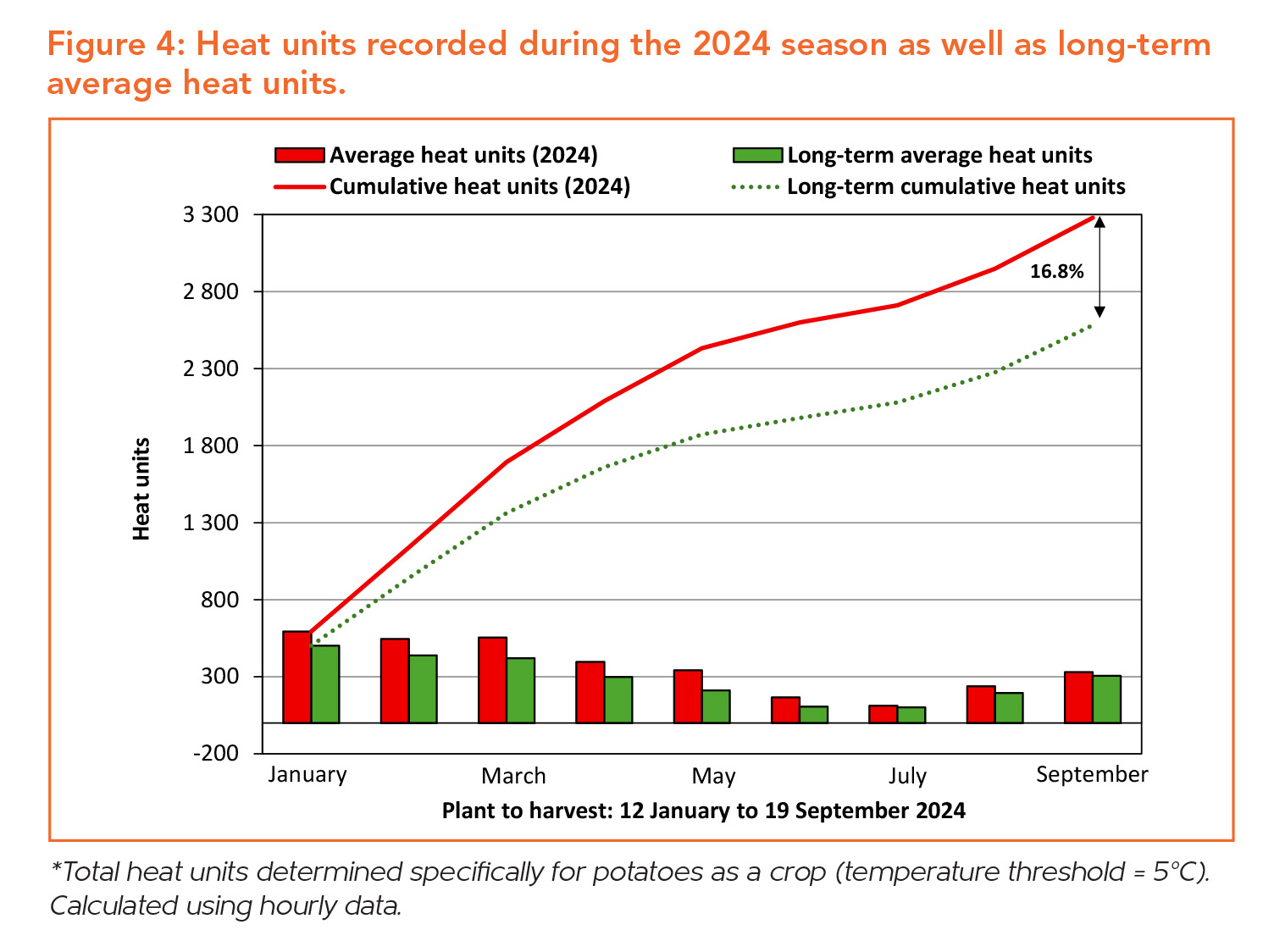
The collection of heat units during a plant’s growth period is an important aspect of the development of the plant. The seasonal trend of available heat units for this cultivar trial was significantly higher than the long-term date for the season as a whole (Figure 4). This can be attributed to less rain which implies few overcast days and many warm days.
Reliability of the trial
Yield data collected during harvesting is statistically processed using the GenStat® programme. The mean was separated using the Tukey test of least significant differences (LSD). The cultivar effect during this trial (Figure 5) was statistically significant (p<0.05) while the coefficient of variation (CV) was low (11.8%).
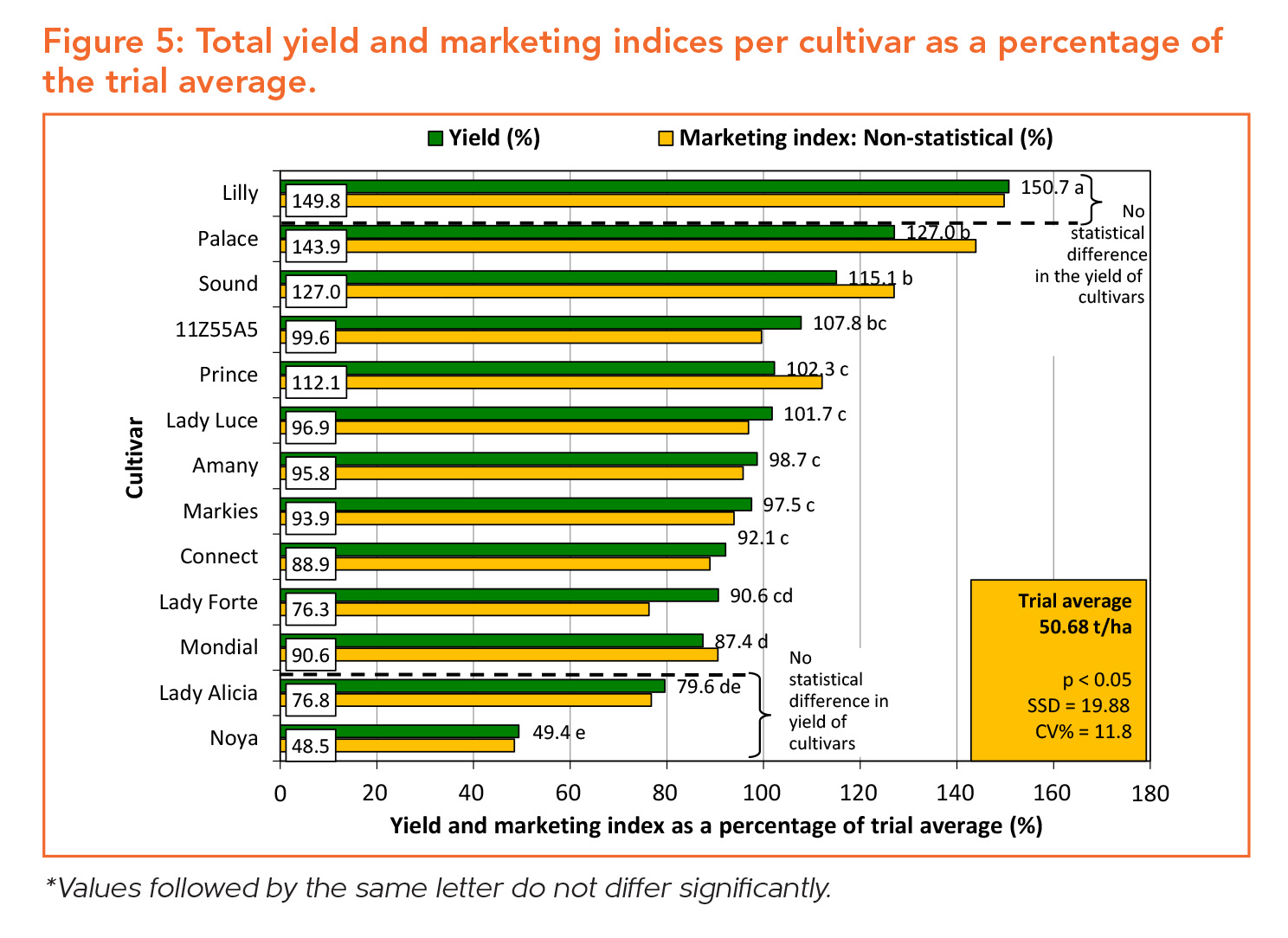
These factors indicate that the trial was well executed, and the results therefore reliable. The yield of each cultivar is divided by the trial average (the average of all the cultivars is accepted as 100%). This creates a yield index in terms of which each cultivar’s yield performance is regarded as a percentage of the trial average.
Yield and influences
The average yield of the trial for the 2024 season was 50.68 t/ha. This is comparable to the trial average of the previous five season’s average yield of 50.3 t/ha.
Statistically, the cultivar Lilly delivered the highest yield. Lilly, Palace, and Sound achieved the highest marketing index, which can be attributed to a very good yield in large and Class 1 tubers (Figures 5, 6 and 7).
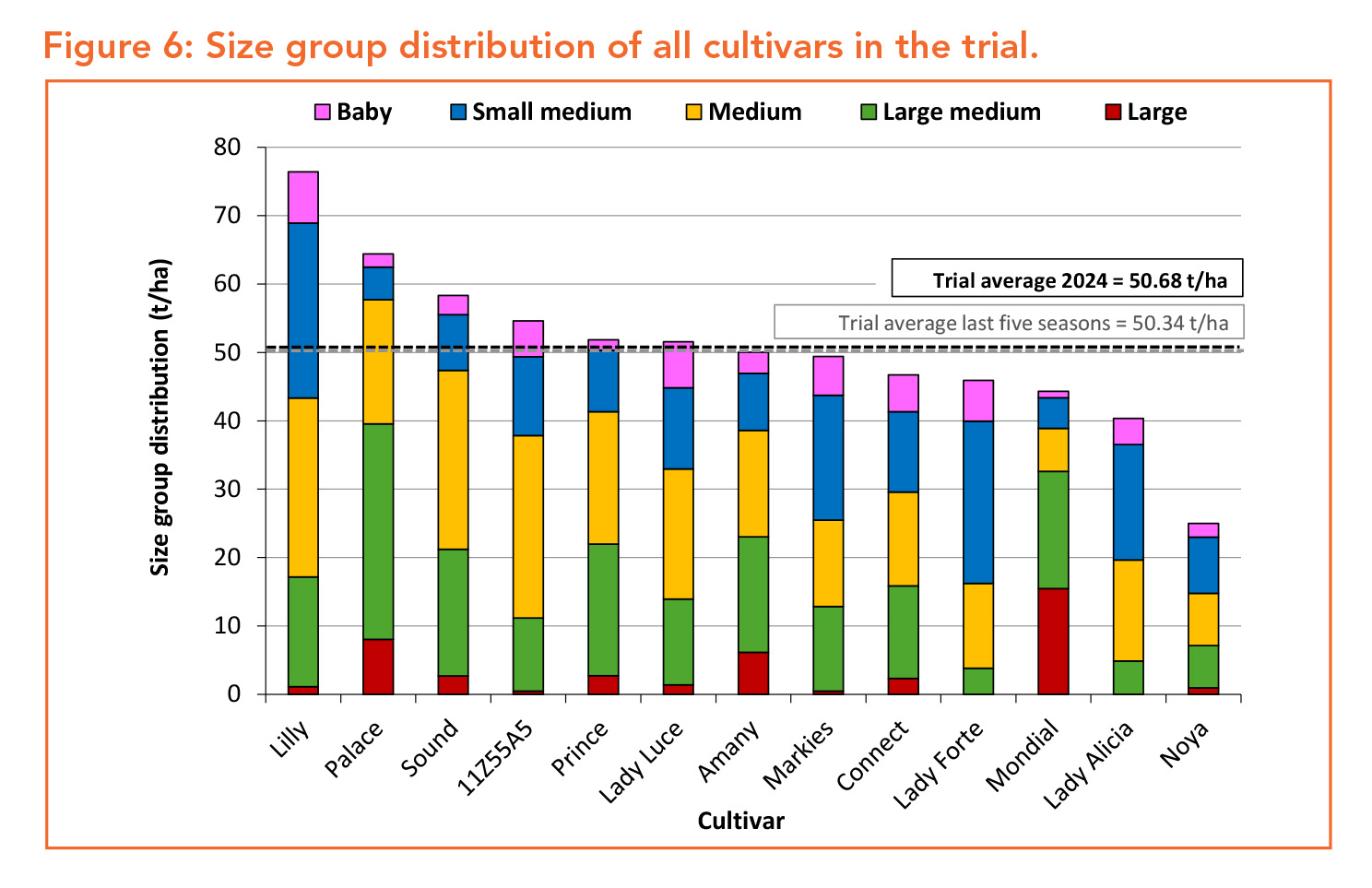
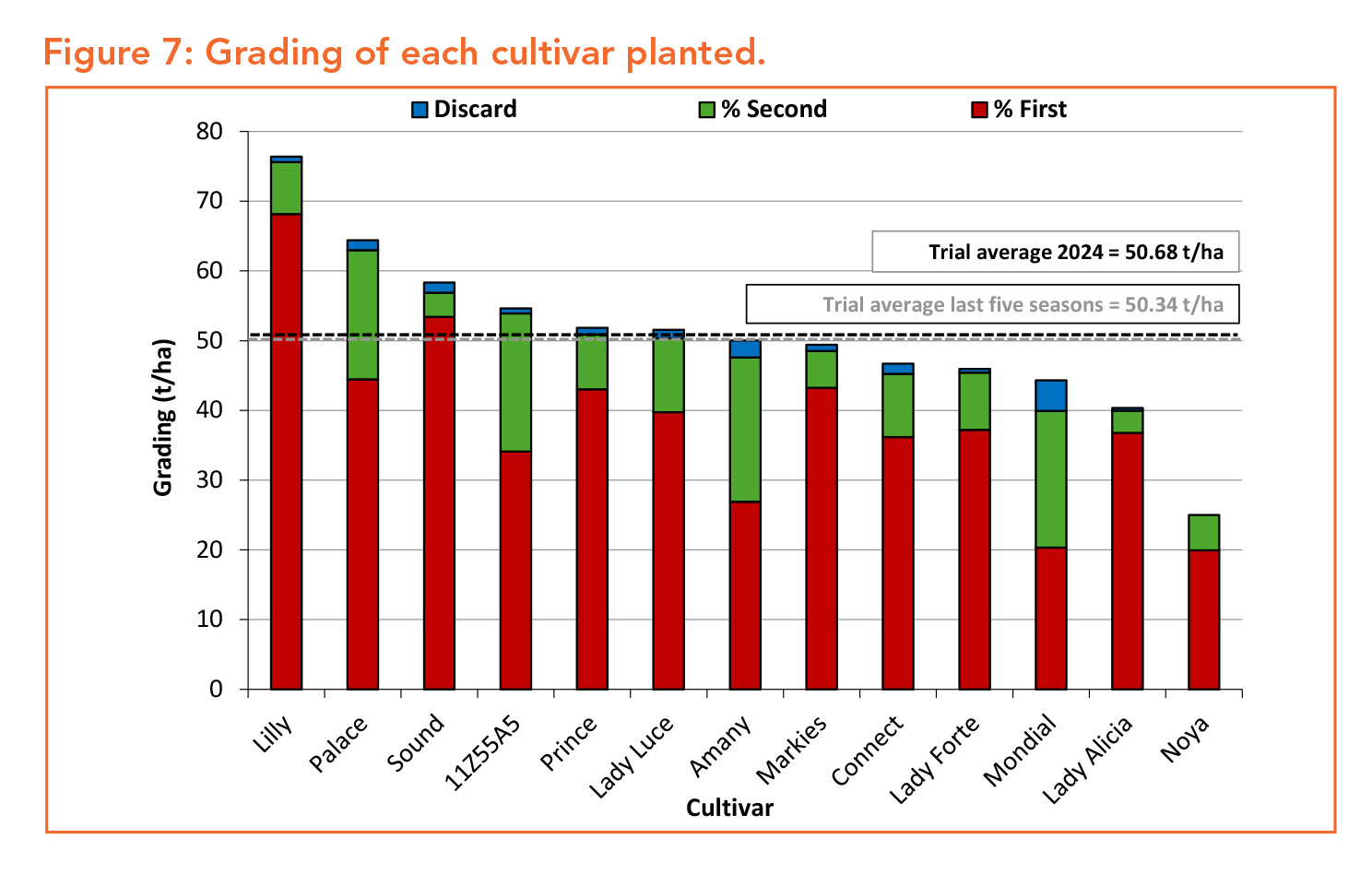
Size group distribution and grading are indispensable evaluations when studying a cultivar’s marketability. The main reasons for the downgrading of each cultivar along with its internal quality are important factors that must therefore also be evaluated (Table 4).
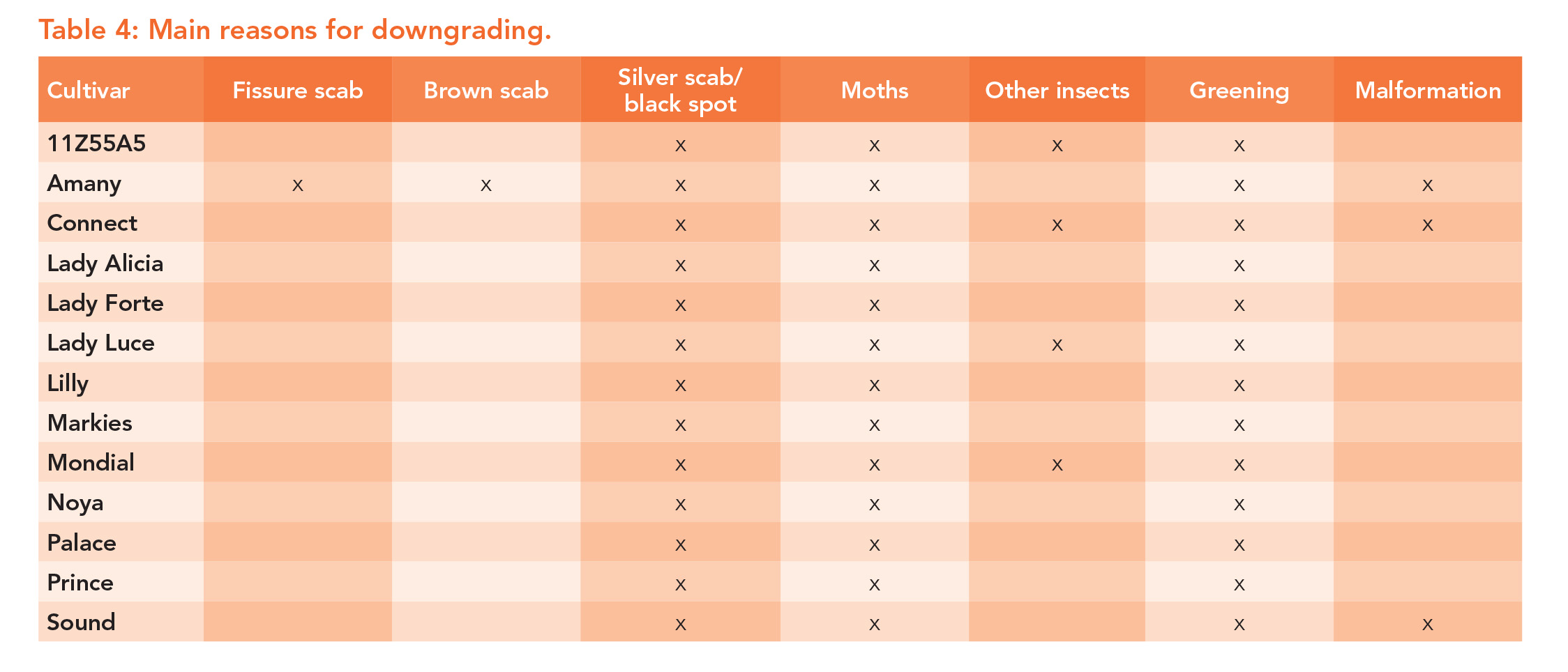
Moth damage, silver scab, black spot and relatively low specific gravity (SG) recorded in this trial are problems that can occur when tubers remain below ground for too long before removal. According to the weather data, the heat units recorded during the winter months were more than the long-term average. This likely created favourable conditions for the moth life cycle that contributed to higher moth pressure on the potatoes below ground.
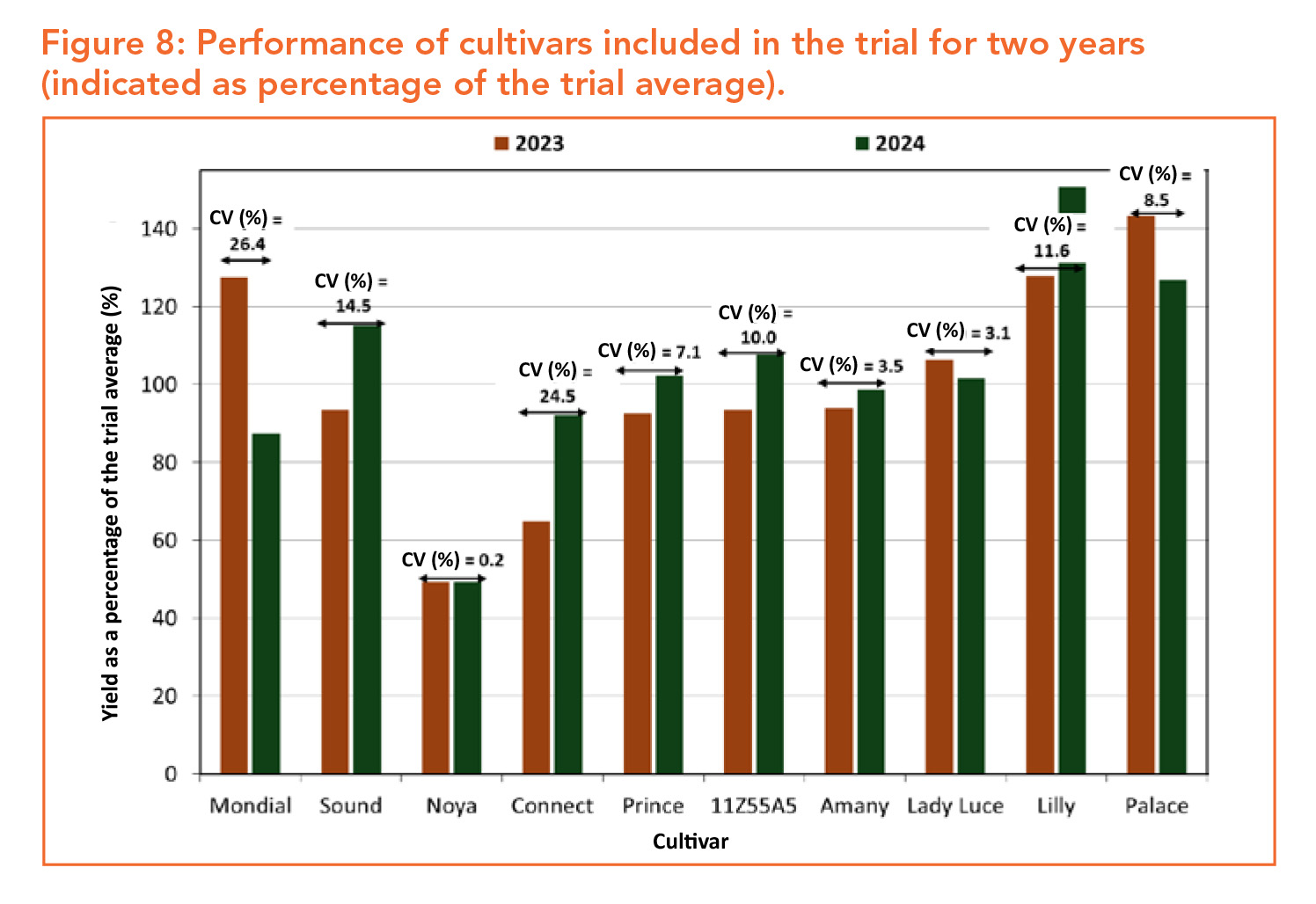
Just as seasons tend to fluctuate, so does the performance of cultivars from one season to the next. This is simply because the climate is not the same from one season to the next.
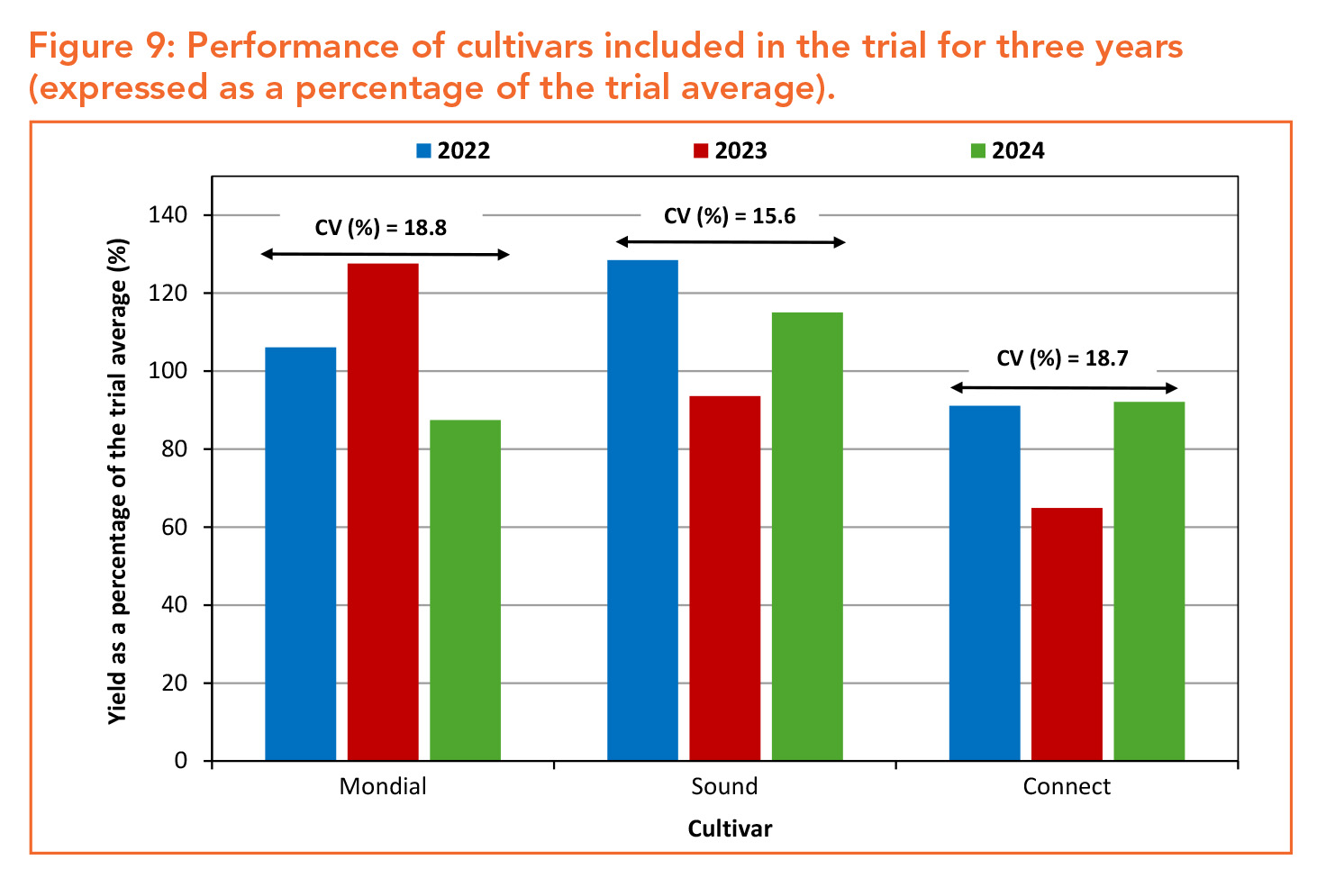
Therefore, it is important to consider consistent cultivar performance across a number of seasons. Of the cultivars entered in the trial, Sound currently exhibits the least variation throughout the past three seasons in the Bultfontein area (Figure 9).
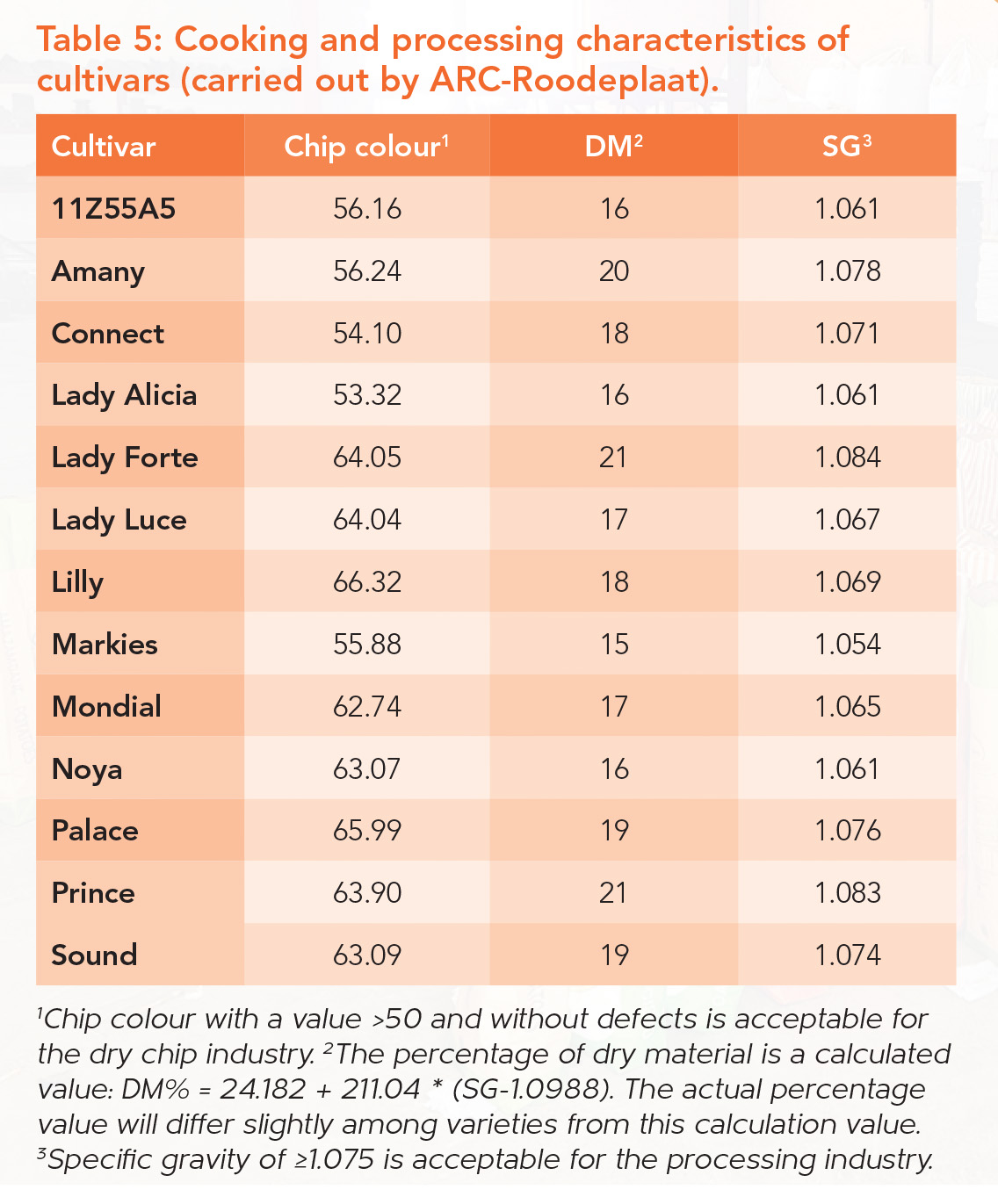
Finally, cooking and processing characteristics can also be evaluated when observing the internal quality of potatoes. To comply with cooking and processing requirements, cultivars have to comply with a chip colour norm of <50 and a specific gravity (SG) of ≥1.075. All the cultivars met the chip colour requirements, but only Lady Forte, Palace, and Prince also met the prescribed SG requirements (Table 5). – Enrike Verster, Potatoes SA, and Izak Cronjé, producer
Special thanks to the farming enterprise and co-worker as well as the trial participants and Western Free State working group. For more information, send an email to enrike@potatoes.co.za or laryssa@potatoes.co.za