

Turning wastewater into gold
Estimated reading time: 6 minutes
South Africa’s agroprocessing sector is a thriving industry consisting of both large, well-established companies and a growing number of small-scale enterprises. It is a very diverse industry, encompassing the processing of meat, fish, fruit, vegetables, grain, sugar, and milk, as well as the production of alcoholic and non-alcoholic beverages. It also includes tanneries, and the paper and pulp industries. As a result, the composition of wastewater generated by the sector varies greatly based on factors such as the source, type, and extent of processing activities.
Despite these variations, wastewater often poses significant challenges for treatment, both in terms of complexity and cost. If treated insufficiently, wastewater can negatively impact the environment and thus threaten the quality of human and animal life. Furthermore, conventional treatment methods typically fail to harness the valuable resources contained in wastewater, resulting in a missed opportunity for wastewater valorisation.
To seize this opportunity and contribute towards circularity in the agricultural sector, the Renewable Energy unit within the Agricultural Research Council’s ARC-Natural Resources and Engineering division is currently conducting research into the production of biohydrogen through dark fermentation. The research aims to demonstrate and evaluate the use of microbial biorefineries to produce biohydrogen and other valuable bioproducts from agro-industrial wastewater. The study seeks to enhance sustainability and circularity by extracting valuable resources from wastewater and producing cleaner effluent water that could potentially be reused prior to final disposal.
Treating wastewater
Agro-processed wastewater refers to the liquid waste (effluent) generated during the transformation of agricultural raw materials into finished or semi-finished products. Depending on the processing activities, wastewater typically contains a varying combination of organic matter, excessive nutrients, high concentrations of suspended and dissolved solids, bacteria, sugars, salts, fats and oils, detergents, and other components that make its treatment and management particularly challenging.
Proper treatment of wastewater is essential to prevent environmental pollution and ensure compliance with regulatory requirements. Typically, the treatment of wastewater includes four stages – preliminary, primary, secondary, and tertiary – depending on the composition of the wastewater.
These stages are used to improve the quality of the final effluent.
In some cases, high-quality treated wastewater is reused in processing facilities for non-potable purposes such as landscape irrigation, toilet flushing, and cleaning. This reuse can reduce facilities’ freshwater consumption, which is especially important in South Africa given the country’s ongoing water scarcity challenges.
Initial results of the study indicate that while most agro-processing companies apply secondary treatment, very few are recovering resources from their wastewater.
Tertiary treatment is rarely applied, with limited examples of on-site reuse.
Recovering resources
Conventional treatment practices perceive waste and wastewater as challenges to be managed, rather than opportunities to be exploited. However, shifting environmental conditions and the depletion of natural resources are leading to a global paradigm shift in the perception of waste. Concepts such as the circular economy model promote the idea of extracting value from waste – minimising waste and maximising resource recovery, while reducing dependence on raw materials.
In line with these global trends, researchers at the ARC are exploring waste valorisation for the local agro-industry – where there is a gradual transition towards recovering resources from waste and wastewater. Interestingly, the same characteristics that make wastewater difficult to treat also make it a valuable resource for recovery. The high organic matter and nutrients are recovered through both proven and globally emerging technologies.
Among the most common recovered nutrients are nitrogen and phosphorus, which can be extracted through a range of chemical, biological, and physical processes. Once recovered, these nutrients can be repurposed as fertilisers. Similarly, water can be reclaimed from wastewater at varying levels of quality. However, water of adequate quality for non-potable reuse is often sufficient.
The goal of recovering resources is to reduce dependence on raw resources. Recovering energy from waste and wastewater is a rapidly advancing field, especially relevant in the context of climate change, where fossil fuel-derived energy remains a primary contributor. An added advantage of waste-derived energy over other renewable sources is that it simultaneously reduces waste during energy generation.
Anaerobic digestion
A well-established method of recovering energy from waste is the anaerobic digestion of organic matter, which produces biogas and a nutrient-rich digestate as a byproduct. Biogas digesters are gaining popularity due to their ability to reduce organic waste, handle diverse feedstocks, and produce biomethane which can be used directly or upgraded for electricity generation.
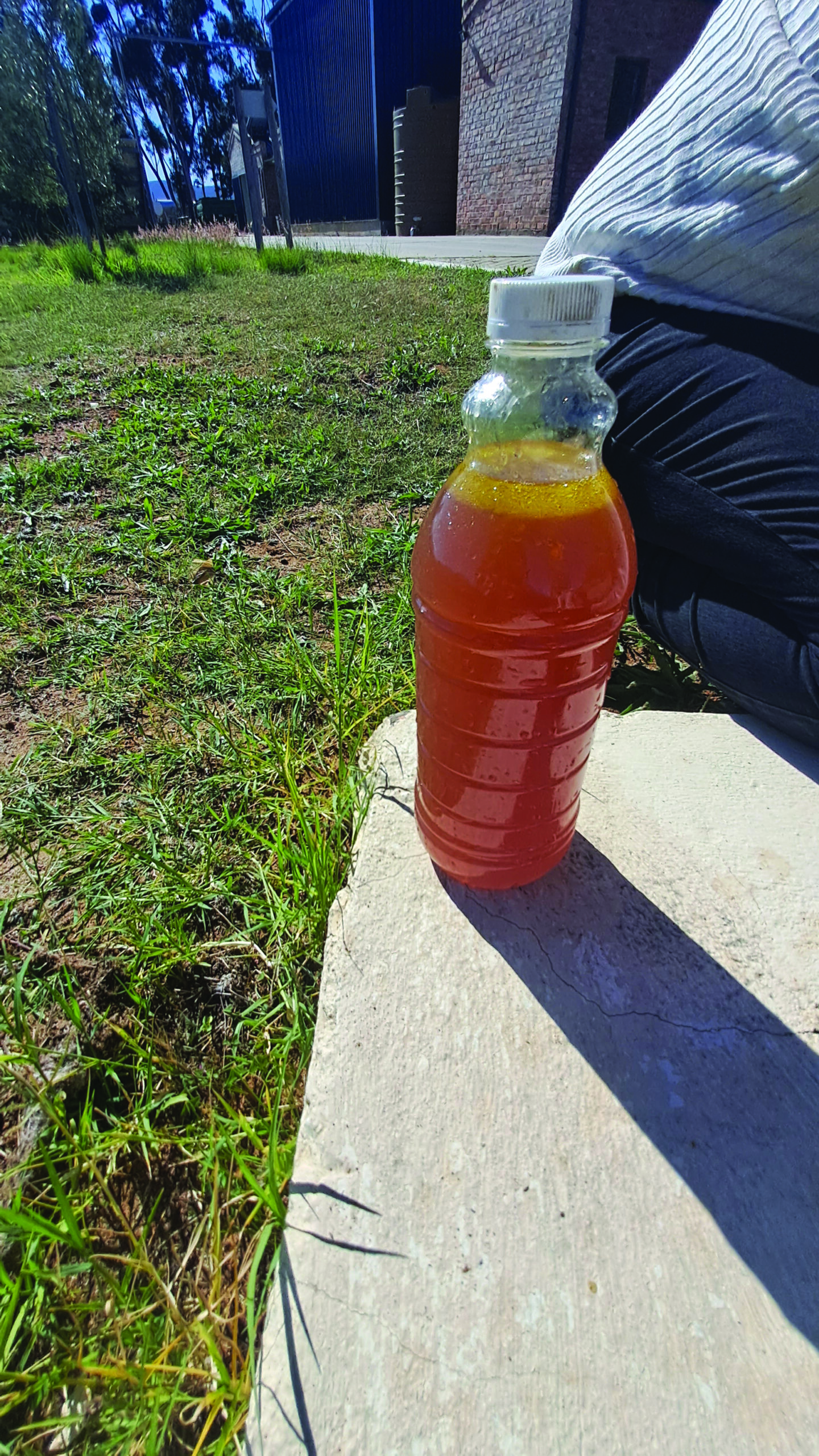
Furthermore, biogas digesters are adaptable to different settings due to their diverse nature, ranging from simple household-scale units to complex industrial-scale systems. This versatility has contributed to the growing adoption of the technology in South Africa. Given the country’s ongoing challenges with energy supply and waste management, waste-derived energy offers significant benefits for the South African energy sector.
Although still in its infancy, biohydrogen production from waste also holds great potential to support the country’s goals of energy security, waste reduction, and the transition to a green economy. Biohydrogen can be produced from various renewable sources – including food waste, agricultural waste, wastewater, and other biomasses. Hydrogen contains a high amount of energy per unit of mass and burns cleanly, with water as its sole byproduct.
This contributes to the growing appeal of biohydrogen as a renewable energy source. Unfortunately, its production remains limited to lab-scale research due to challenges associated with scaling up. Some of these limitations include process stability, low yields, storage and transportation difficulties, and production costs.
Stakeholder involvement
Nonetheless, ongoing research to overcome these obstacles and optimise biohydrogen production is essential for advancing a green economy. In response, the ARC has initiated research efforts aimed at addressing some of these challenges.
A crucial aspect of this research involves the participation of various stakeholders in the sector, including industrial enterprises, treatment facilities, regulators, suppliers, academia, and environmental NGOs.
In addition to providing essential data on wastewater, stakeholder participation offers valuable insights into the opportunities and challenges of implementing circular wastewater treatment within the agro-processing sector. The conventional approach to waste management carries a significant opportunity cost. Simply treating waste and wastewater for disposal overlooks the valuable resources it contains. The sector in particular has great potential to contribute to waste management and recovering valuable resources, such as the high levels of nutrients and organic matter.
Agro-processing effluent should not be viewed as a problem to solve but as an opportunity to embrace. With the right support, biogas and biohydrogen technologies could play a transformative role in converting South Africa’s waste into a valuable component of its clean energy future. Turning this vision into reality will require more than innovative ideas – it will demand coordinated action from the industry, researchers, and policymakers alike. – Zikhona Buyeye and Primrose Magama, ARC-Agricultural Engineering
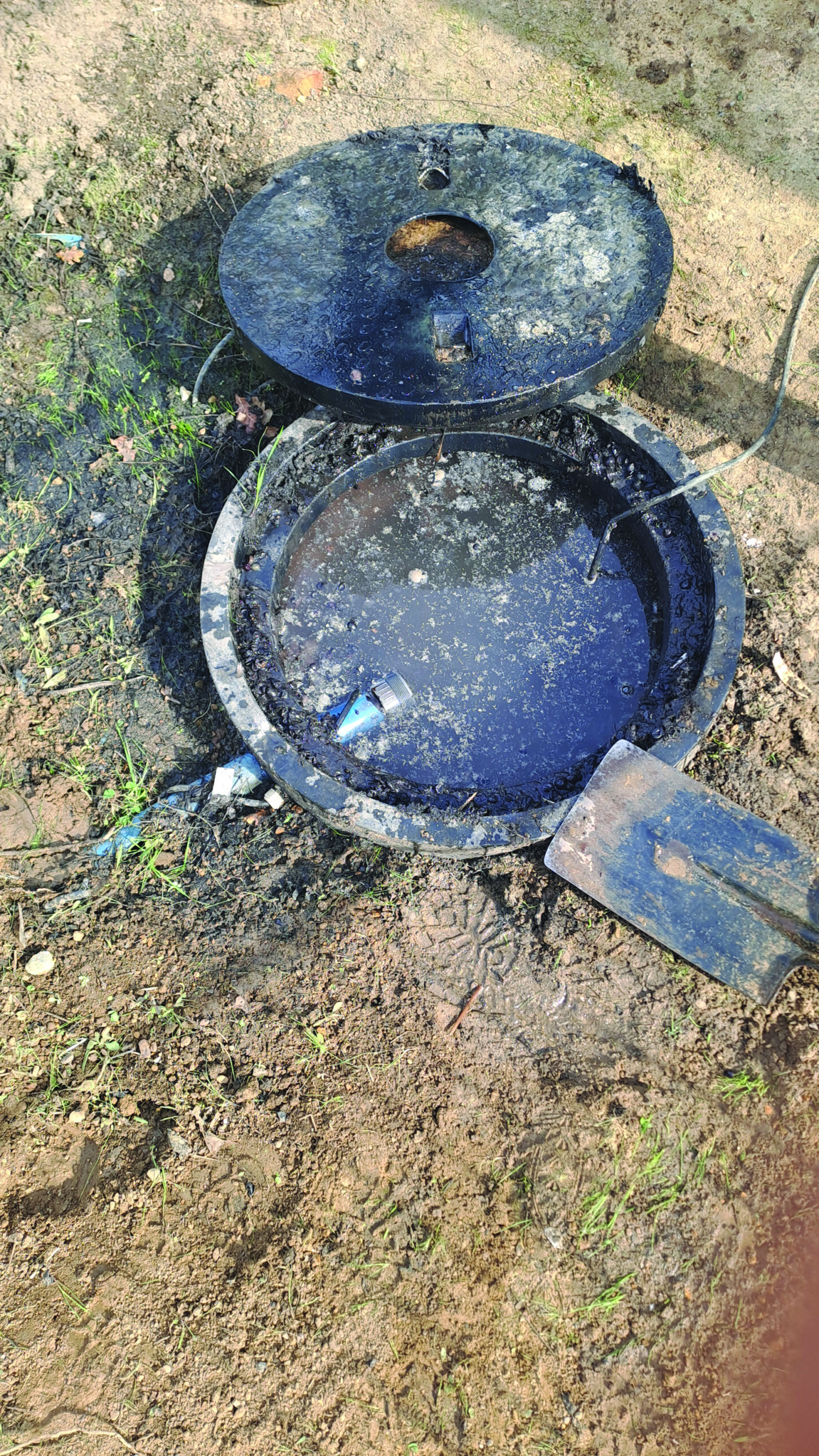
All stakeholders involved in agro-processing or wastewater management as well as processors interested in participating in the ongoing study are invited to send an email to Buyeyez@arc.agric.za or Magamap@arc.agric.za for more information. Participation in the research is strictly confidential.