
Nutritional and affordable: Debunking myths
Estimated reading time: 4 minutes
Potatoes (Solanum tuberosum L.) have long been a dietary mainstay across the globe, including in South Africa. Yet in recent decades, their reputation has suffered due to the rise of carbohydrate-restrictive diets and misconceptions regarding their nutritional value.
Labelled by some as ‘fattening’ or ‘nutritionally poor’, potatoes are often misunderstood. In truth, scientific evidence indicates that potatoes are a nutrient-dense, sustainable, and affordable whole food that plays a valuable role in environmental sustainability, food security, and dietary diversity.
Nutrient dense and eco-friendly
South Africa’s dietary landscape reflects the important role of staple foods. According to national consumption data, maize meal leads with an annual per capita consumption of 50.4 kg, followed closely by potatoes at 39.3 kg. This positions potatoes as the second most consumed staple food in the country. Their accessibility, affordability, and cultural familiarity make them a vital component of the diet across income groups.
Contrary to popular belief, potatoes are far more than just a source of energy; they are nutrient dense.
When consumed with the skin, they are rich in potassium, magnesium and dietary fibre. They are also a source of carbohydrates and contribute small quantities of high-quality protein.
Their amino acid profile is well-balanced and includes essential amino acids required for human nutrition, making them a valuable complement in predominantly plant-based diets.
Analyses of multiple South African cultivars confirm consistent presence of key micronutrients, and variation in nutritional composition among cultivars suggests an untapped opportunity to enhance dietary intake through diversity.
A study assessing the sustainability of commonly consumed staple foods in South Africa found that potatoes outperform maize meal, rice and bread in environmental metrics. Potatoes had the lowest greenhouse gas emissions and the smallest water footprint per unit of energy and per unit of nutrient density.
In terms of environmental impact and nutrition, potatoes offer the best return on investment among staple food crops. This is particularly relevant in light of national and global commitments to the United Nations Sustainable Development Goals, especially goals 2, 12, and 13, which focus on ending hunger, ensuring sustainable consumption, and combat climate change, respectively.
Debunking the myth
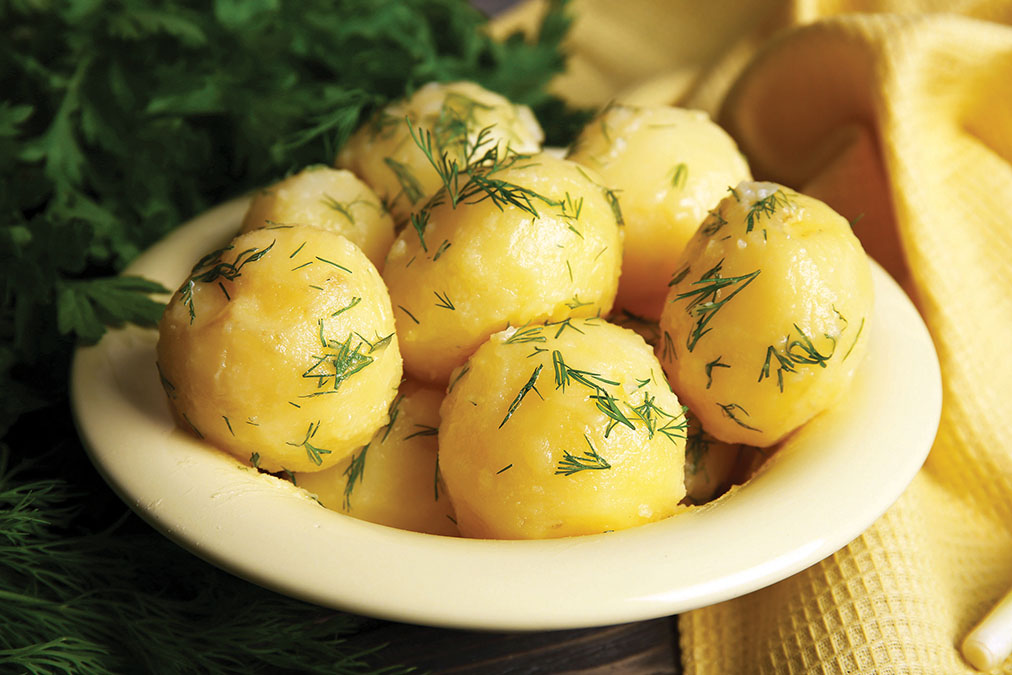
Another advantage of potatoes is how we usually prepare them. Unlike many starches that undergo heavy industrial processing, potatoes are often enjoyed in simpler forms: boiled, baked, or steamed. This means they keep more of their natural nutrients. While they’re comforting and versatile, they’re also a smart, wholesome addition to the plate.
One of the most enduring myths about potatoes is their supposed link to weight gain. While it is true that preparation methods such as deep frying or loading with fats can increase energy density, the potato is low in fat and can form part of a balanced diet.
Moreover, potatoes score high on satiety indices, meaning they promote a feeling of fullness and reduce the likelihood of excessive energy intake. Their affordability and satiety potential make them particularly valuable in addressing both undernutrition and overnutrition in low- to middle-income settings.
Diverse potatoes, endless uses
Biodiversity within the South African potato industry adds a unique and valuable dimension to the crop’s potential. Across the country, more than 90 different potato cultivars are grown, spread over 16 distinct production regions: from the rich earth of the Eastern Free State to the sandy soils of the Sandveld. This wide range of growing conditions, combined with the diversity of cultivars, ensures that fresh, locally grown potatoes are available year-round.
But this variety isn’t just good for supply, it also means there’s a perfect potato for every cooking occasion. Whether you’re looking for a soft, fluffy potato that makes the creamiest mash, a firm variety that holds its shape in salads, or a high dry-matter potato ideal for crispy chips and processing, South Africa’s potato biodiversity has it covered. – Dr Carmen Muller, Dr Beulah Pretorius, and Prof Hettie Schönfeldt
For more information, email Dr Carmen Muller at vanniekerk.carmen@gmail.com.