
Estimated reading time: 12 minutes
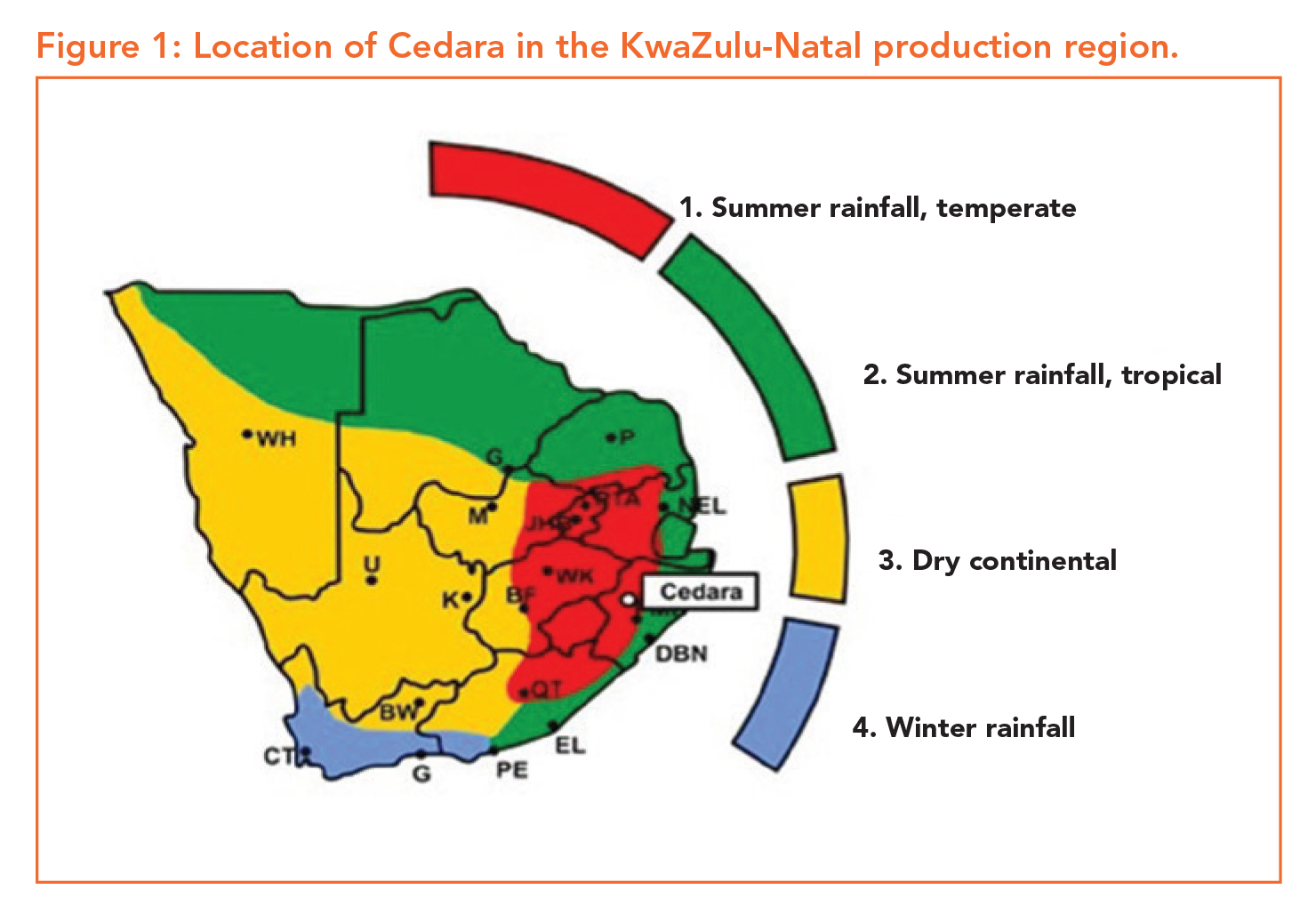
The Cedara Research Station (S29° 32’ 15 33, E30° 16’ 09 19) is situated in the moist mist-belt zone of the KwaZulu-Natal Midlands (900 to 1 400 m above sea level), which receives an average annual rainfall of between 838 and 1 140 mm, depending on locality (Figure 1). The warm and wet summer conditions are ideal for the occurrence of early blight (Alternaria solani [Sorauer]) and late blight (Phytophthora infestans [Mont. de Bary]) in potatoes (Solanum tuberosum L.).
The severity of these diseases, especially late blight, can cause up to 100% crop loss if fungicides are not applied regularly as recommended. As a result, seed and table potato producers will incur substantial financial losses, whereas householders who do not always have the resources to purchase fungicides, could become food-insecure if their crop fails. Therefore, a trial was conducted to identify cultivars with good tolerance to late blight on potatoes.
Method and materials
Fifteen cultivars were evaluated under irrigation in a split-plot trial with three replicates. The cultivars were planted on the main plot, which was divided for weekly fungicide applications from ridging until 90% senescence, and no fungicide applications. A combination of six fungicides and five insecticides (active ingredients chlorothalonil + lambda-cyhalothrin, cymoxanil/famoxadone + mancozeb + abamectin, cymoxanil/mancozeb + cyromazine, difenoconazole + chlorantraniliprole, mancozeb + cypermethrin and metalaxyl-M + cypermethrin) were applied in a weekly rotation. In total, 12 sprays were administered. Insecticides were applied regularly across the entire trial.
The trial was planted on 12 September 2023 at a seeding rate of 37 037 tubers/ha-1. Each split-plot consisted of four rows, each 5 m in length and spaced 0.9 m apart. Data was collected from the two middle rows. Fertiliser was applied according to FertRec recommendations for a 70 t/ha-1 yield, based on the results of a soil analysis. In total, 80 kg/ha-1 of phosphorus, 180 kg/ha-1 of potassium, and 240 kg/ha-1 of nitrogen were applied. Ten ratings of disease severity were done from 29 November 2023 to 30 January 2024. Harvesting occurred two to three weeks after the senescence of each plot.
Climatic conditions
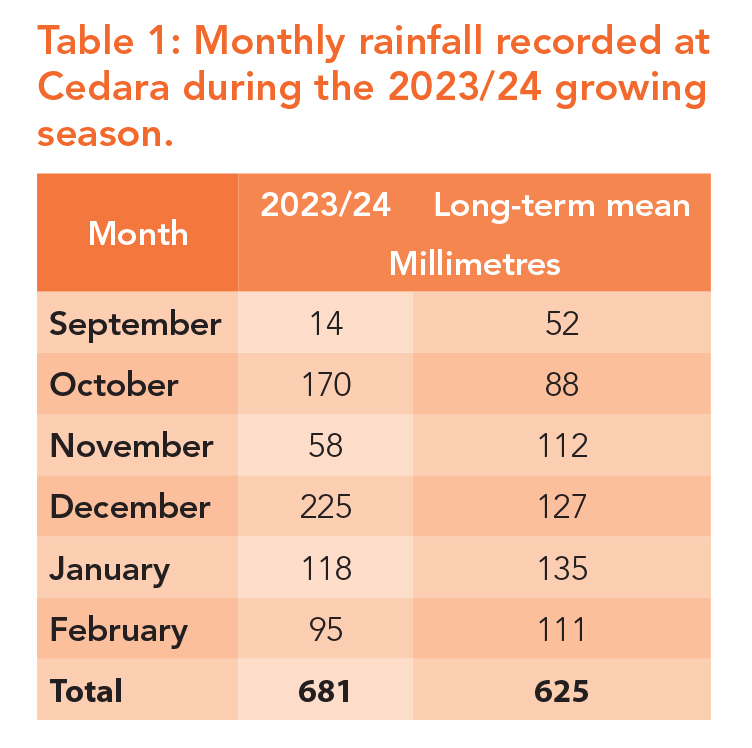
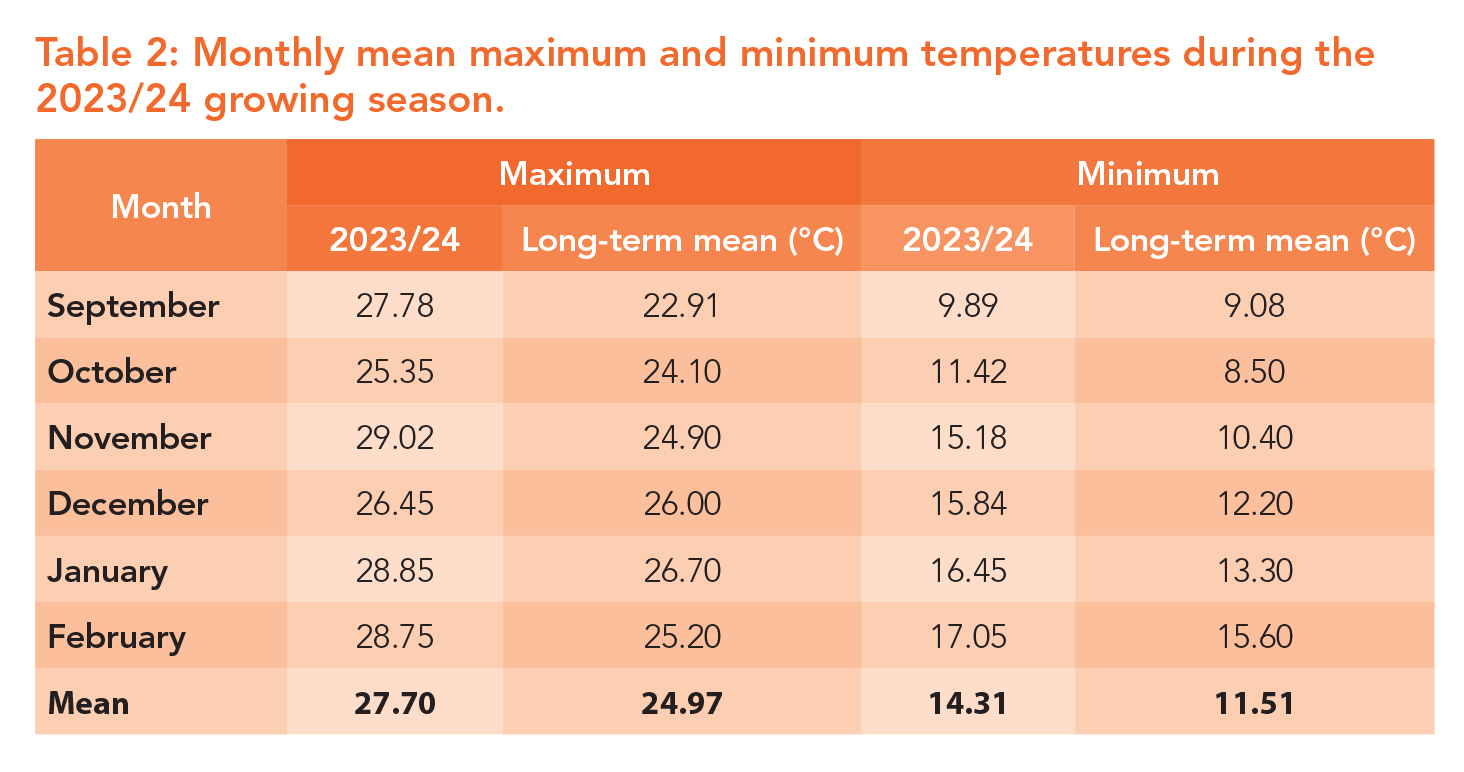
During the 2023/24 planting season, total rainfall from September to February was 681 mm, indicating a slightly wetter season. This amount was 53 mm higher than the long-term mean (Table 1). Similarly, the mean maximum and minimum temperatures for 2023/24 were slightly warmer compared to the long-term mean temperatures (Table 2). The mean maximum temperature during the planting season was 27.70°C, compared to the long-term mean maximum temperature of 24.97°C, while the mean minimum temperature was 14.31°C, while the long-term mean was 11.51°C.
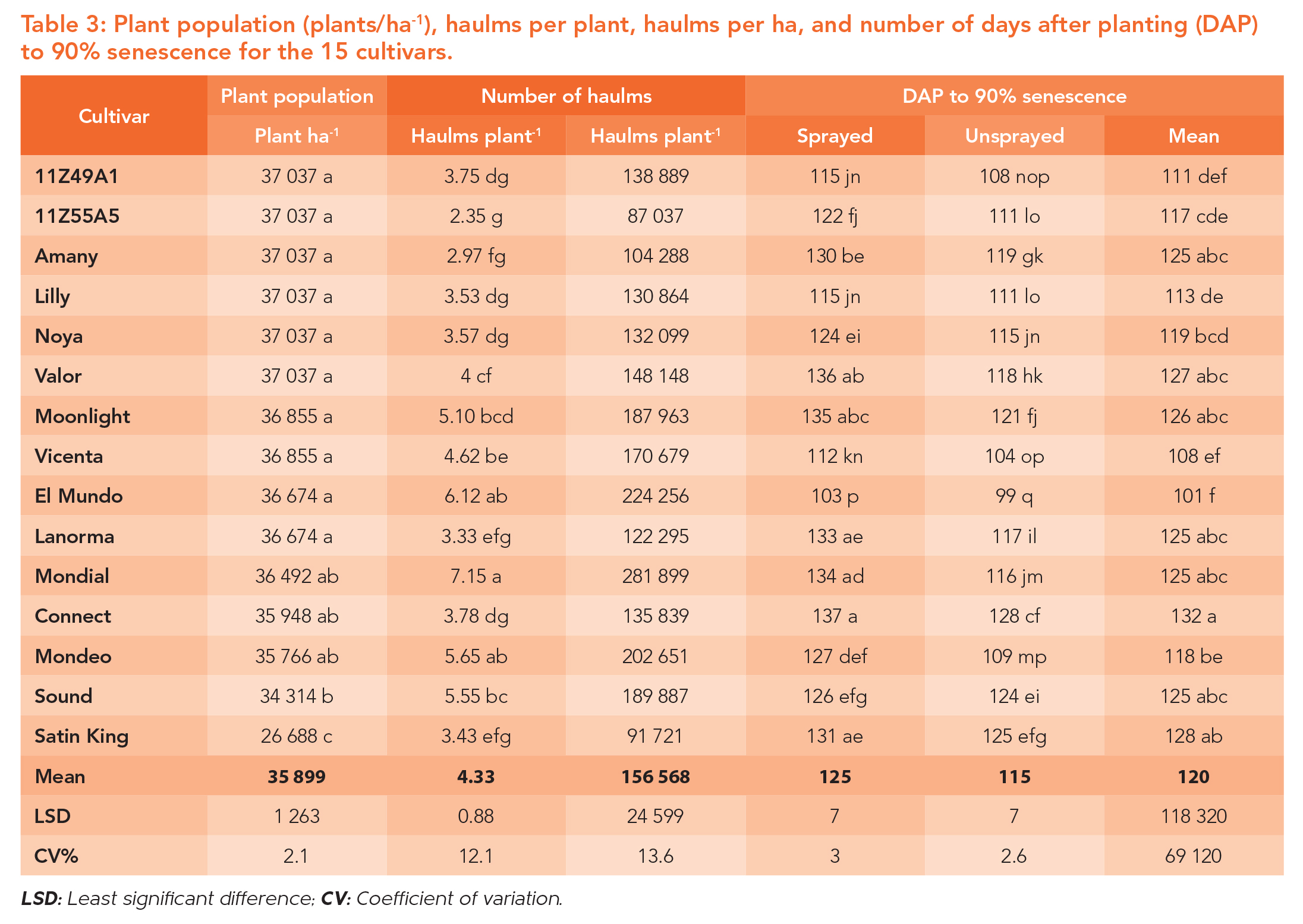
Plant population is important since it has a direct influence on tuber yield. All cultivars were planted at 37 037 tubers/ha-1.
There were no significant differences in plant population among cultivars, except for Sound and Satin King with 34 315 and 26 688 plants/ha-1. Other cultivars had plant populations ranging from 37 037 to 37 766 plants/ha-1. However, these were not significantly different (Table 1). Since there were no significant differences between 13 cultivars, it can be suggested that plant population as a confounding factor can be eliminated and therefore did not influence the performance.
Number of haulms per plant
There were significant differences between the cultivars in terms of the number of haulms/plant (Table 3). Mondial, El Mundo, and Mondeo were cultivars with a significantly higher mean number of haulms/plant of 7.15, 6.12 and 5.65 haulms/plant, respectively, and there were no significant differences between these cultivars.
These varieties were followed by Sound, Moonlight, Vicenta, and Valor with the mean numbers of 5.55, 5.1, 4.62 and four haulms/plant. The lowest mean numbers of haulms/plant were recorded on Connect (3.78), 11Z49A1 (3.75), Noya (3.57), Lilly (3.53), Satin King (3.43), Lanorma (3.33), Amany (2.97) and 11Z55A5 (2.35). The number of haulms/plant is largely affected by the cultivar’s genetic makeup and the environmental conditions in which it is grown.
Days to 90% senescence
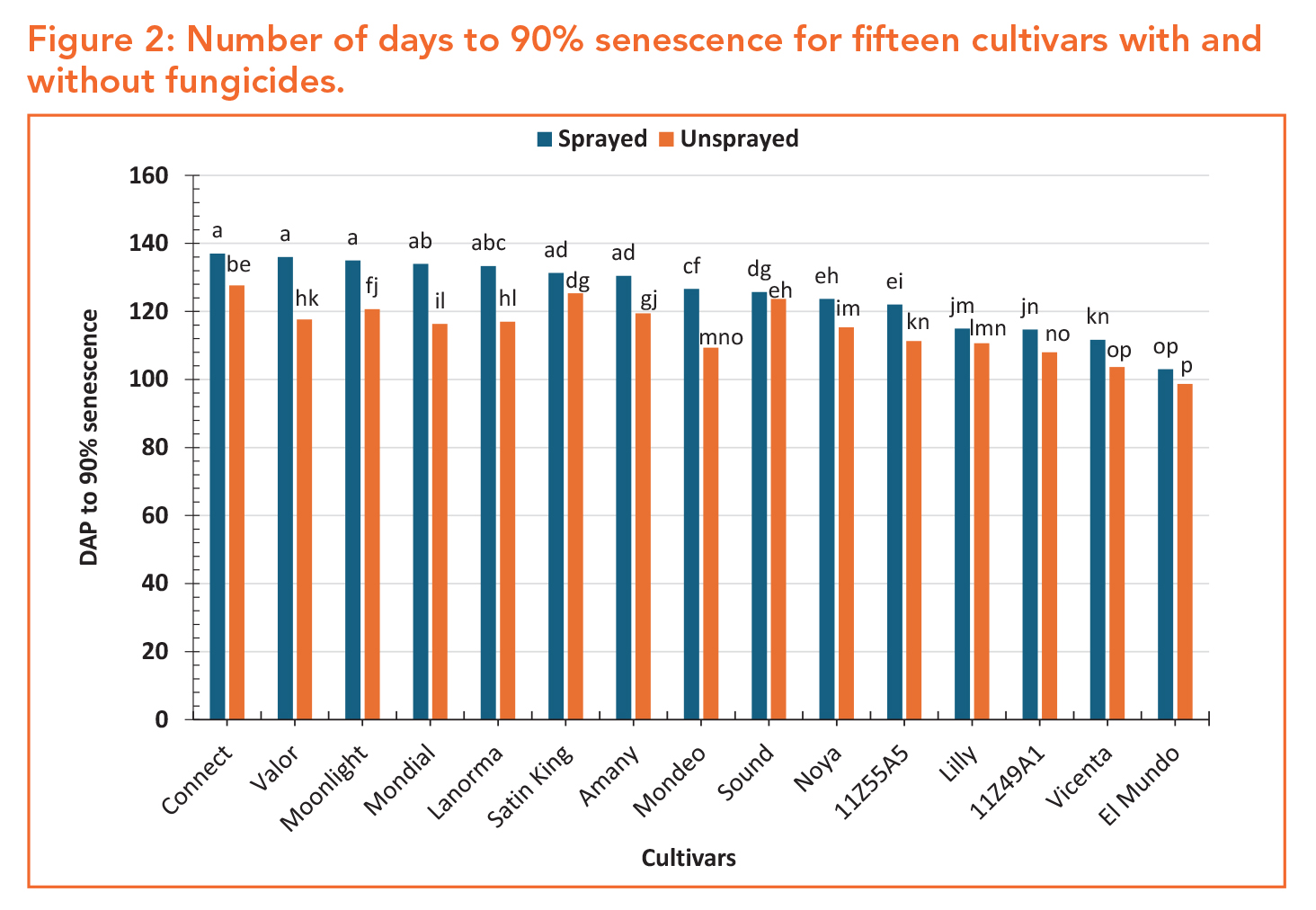
Different cultivars have different growth periods determining the length of physiological and harvest maturity. The days to 90% senescence were measured by estimating the percentage of each cultivar that had reached the senescence stage, which indicates harvest maturity and is largely cultivar-dependent. There were significant differences between cultivars in the spray treatments with respect to the number of days to 90% senescence. All cultivars showed significant differences between sprayed and unsprayed treatments in terms of days to 90% senescence, except for El Mundo, Lilly, and Sound (Figure 3).
Cultivars where the spray treatment extended the days to 90% senescence by less than ten days after planting, were Sound (two days), El Mundo (four days), Lilly (four days), Satin King (five days), 11Z49A1 (seven days), Noya (eight days), Vicenta (nine days) and Connect (nine days). Cultivars where the spray treatment extended the days to 90% senescence by more than ten days were Moonlight (11 days), Amany (11 days), 11Z55A5 (11 days), Lanorma (16 days), Mondial (18 days), Mondeo (18 days) and Valor (19 days).
The responsiveness of the cultivar to the spray treatment with regard to the number of days to 90% senescence, could indicate the cultivar’s tolerance or susceptibility to disease. However, the spray treatment cannot extend the crop’s green period beyond its genetic makeup, which determines whether the crop is a short-, medium- or long-season cultivar.
Disease severity
The interaction between leaf wetness, inoculum density, daytime temperatures (19 to 22°C) and relative humidity (RH) (90 to 100%) creates favourable conditions for late blight spore germination (Rotem et al., 1971). There is a high potential for late blight disease build-up within a short period, as it is reported that one lesion can produce 9.8 x 10⁵ sporangia from a single leaflet of a susceptible potato cultivar within 12 days under favourable conditions (Harrison, 1992).
Within days of infection, new sporangiospores emerge through the leaf stomata and sporangia formation may occur within four days if weather conditions are favourable (Tsedeley, 2014). The Cedara trial site is regarded as the most conducive environment for the build-up of late blight due to environmental conditions such as RH and temperatures.
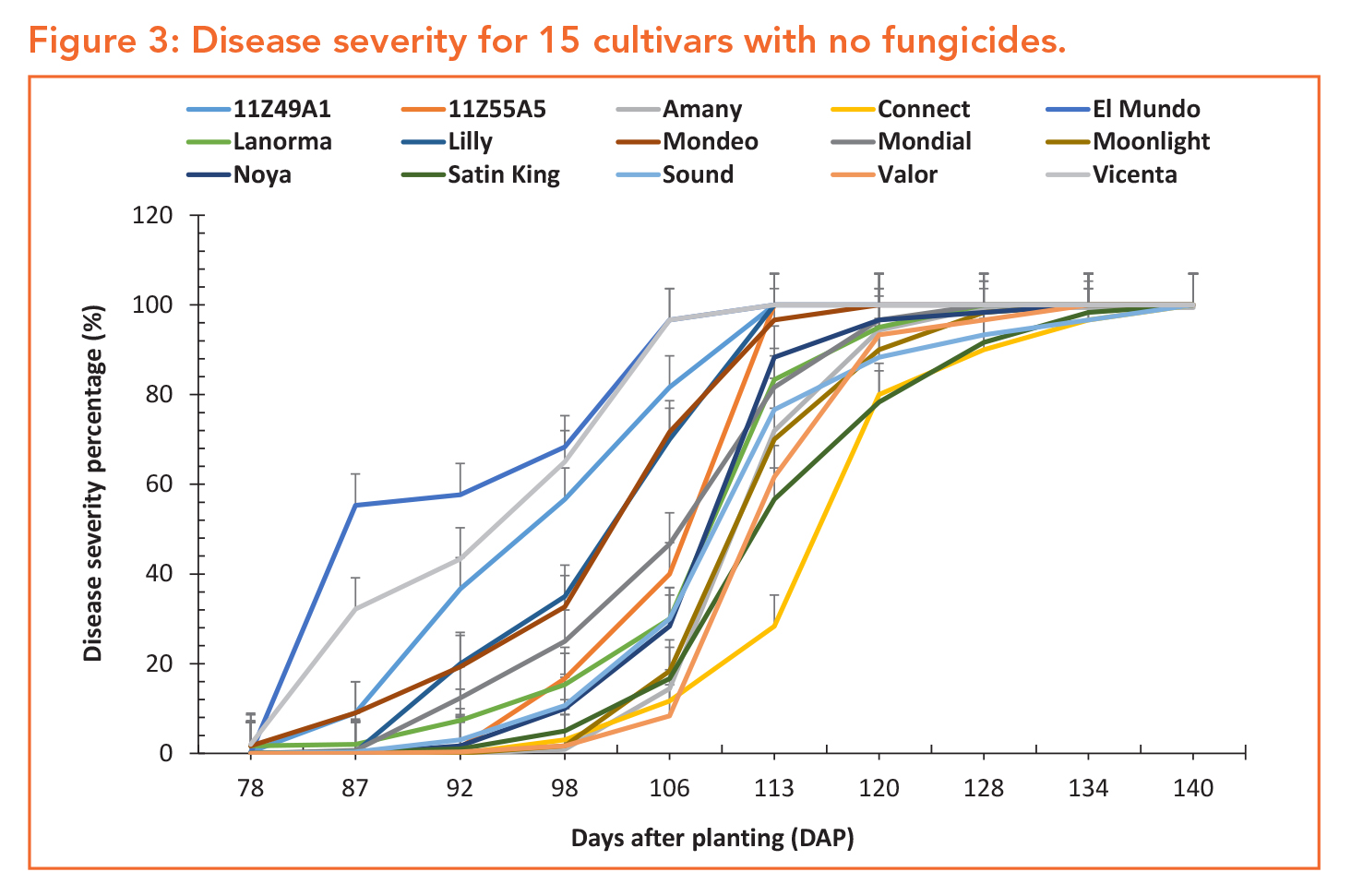
In the present study, at 87 days after planting (DAP) without fungicide application, disease severity above 5% was recorded from cultivars El Mundo (55.33%), Vicenta (32%), Mondeo (9%), and 11Z49A1 (9%) (Figure 4). With fungicide application, disease severity above 5% was recorded only on one cultivar, El Mundo (55%) (Figure 5). At 98 DAP, with no fungicide application, there were five cultivars with disease severity below 5% namely: Satin King (5%), Connect (3%), Valor (1.67%), Moonlight (1.67%), and Amany (0.91%) with a mean disease severity of 23.17% (Figure 4).
With fungicide application at the same time (98 DAP), six cultivars had less than 5% disease severity: Mondeo (5%), Connect (4%), Mondial (2%), 11Z55A5 (1.33%), Valor (1.33%), and Amany (0%), with a mean disease severity of 10.09% (Figure 5). At 106 DAP, disease severity exceeded 10% for all cultivars except Valor (8.33%) in the no-fungicide application treatments, where the mean disease severity was 44.07% (Figure 4).
With fungicide application, disease severity below 10% level was recorded from more than half the number of cultivars evaluated: Lanorma (9.33%), Connect (9%), Mondial (8.33%), Moonlight (5.67%), Valor (5%), Noya (4.67%), 11Z55A5 (4%), Satin King (3%), and Amany (1.41%), where the mean disease severity was 18.58% (Figure 5).
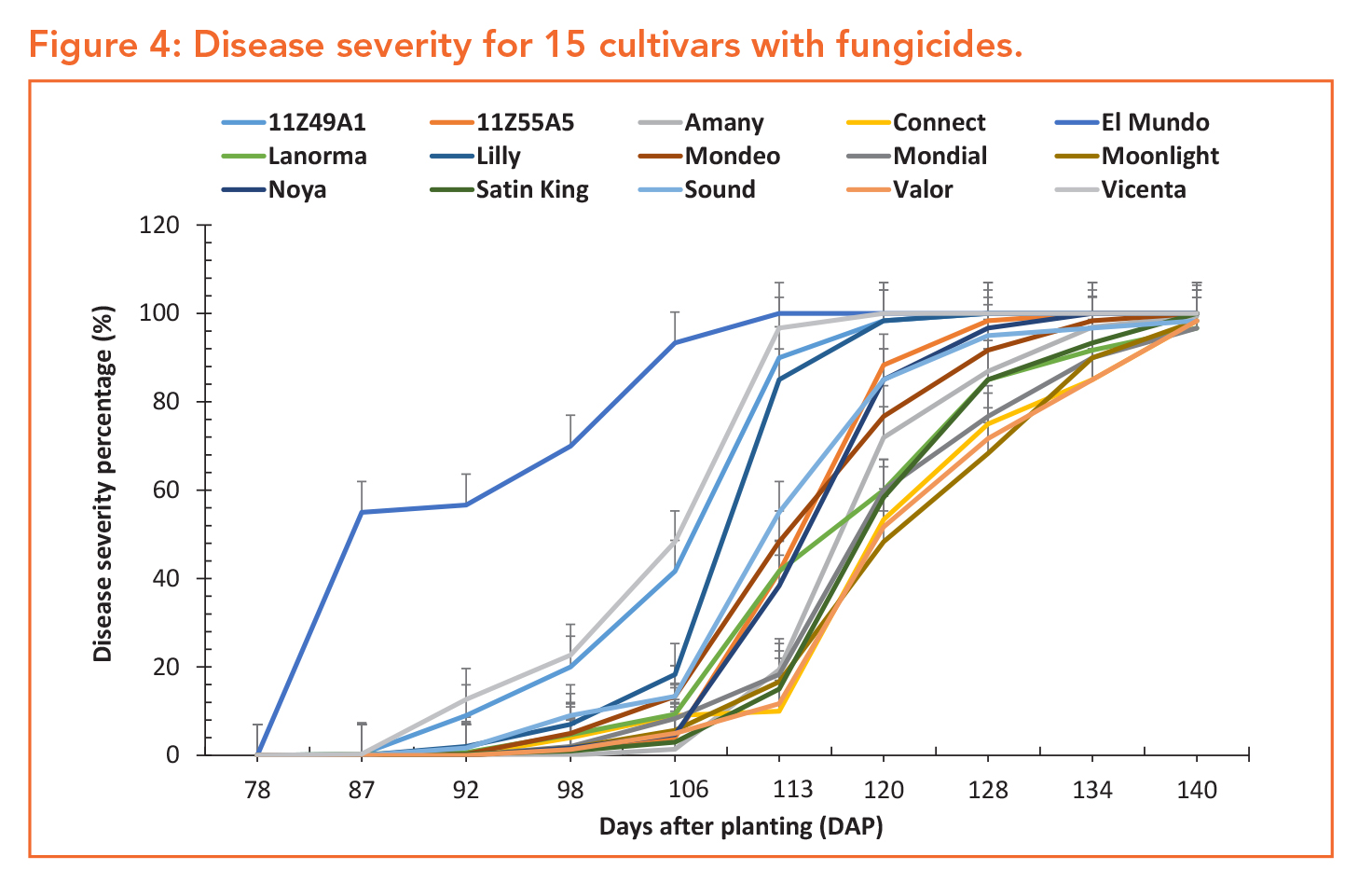
Therefore, the onset of late blight in the fungicide treatments was delayed by at least seven to 14 days compared to the no-fungicide treatments. Furthermore, the fungicide application inhibited the rapid spread of the disease such that 75% disease severity reached 128 DAP with fungicides while the no-fungicides treatments reached the same level of disease severity seven days earlier at 120 DAP.
Tuber yield
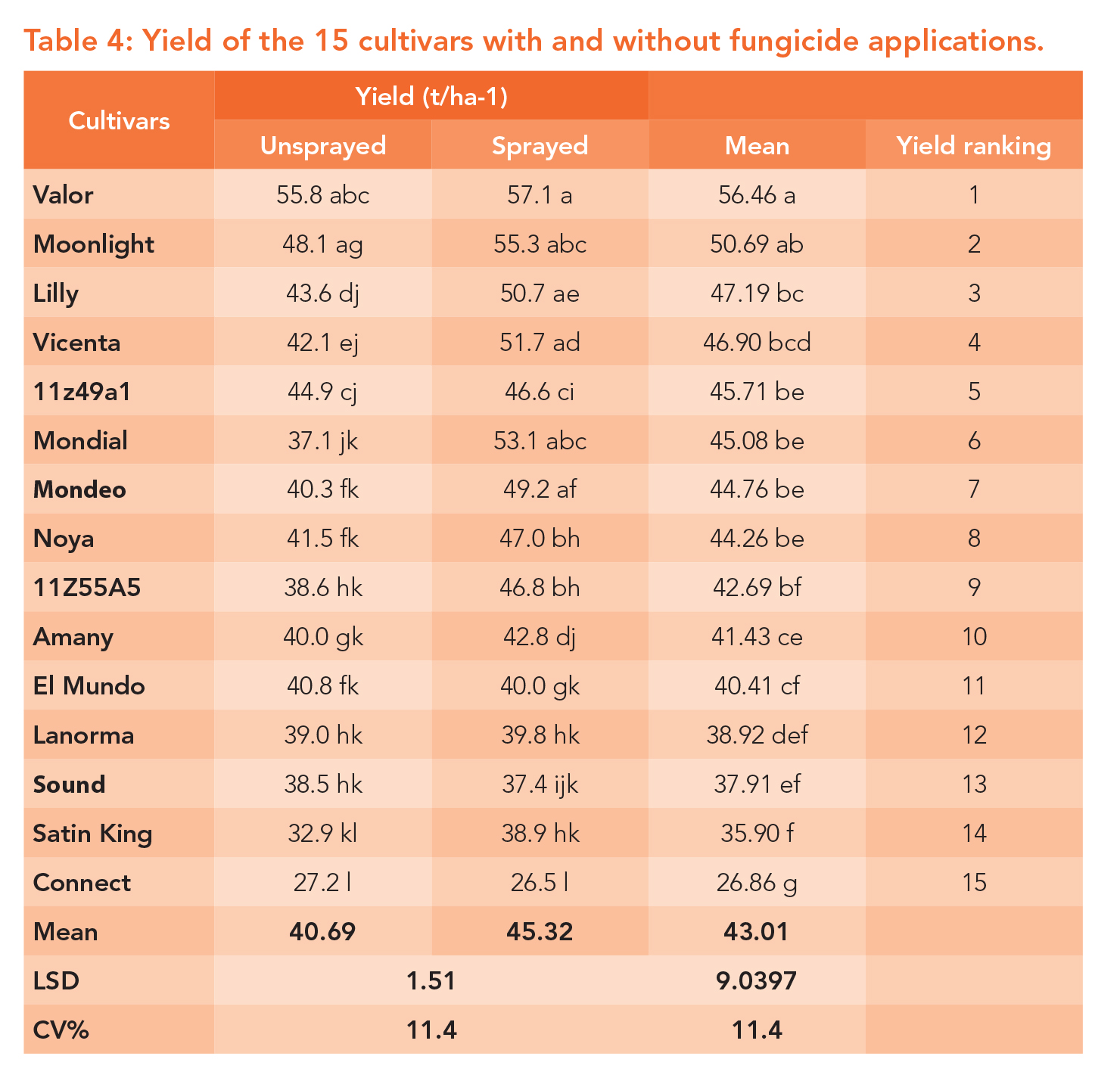
There were significant differences in yield among the cultivars, as well as significant interactions between them in terms of yield. Overall, the average yield obtained in the current planting season was lower than the target yield based on the fertiliser applied.
There were high-yielding cultivars (> 40 t/ha-1) and low-yielding cultivars (< 40 t/ha-1) with no significant differences between the sprayed and unsprayed treatments (Table 2). High-yielding cultivars with no significant differences between sprayed and unsprayed treatments were Valor (56.46 t/ha-1), Moonlight (50.69 t/ha-1), Lilly (47.19 t/ha-1), 11Z49A1 (45.72 t/ha-1), Noya (44.26 t/ha-1), 11Z55A5 (42.69 t/ha-1), Amany (41.78 t/ha-1), and El Mundo (40.41 t/ha-1) with respect to mean tuber yields of sprayed and unsprayed treatments.
Similarly, for all cultivars that yielded lower than 40 t/ha-1 that were part of the trial, where there were no significant differences between sprayed and unsprayed treatment regarding mean tuber yield of sprayed and unsprayed treatments were Lanorma (38.92 t/ha-1), Sound (37.91 t/ha-1), Satin King (35.90 t/ha-1), and Connect (27.86 t/ha-1).
High-yielding cultivars
Mondial and 11Z55A5 were the only cultivars that showed significant yield differences between sprayed and unsprayed treatments. For Mondial, the yield was 53.07 t/ha-1 when sprayed and 37.08 t/ha-1 when unsprayed. Similarly, for 11Z55A5, the yield was 46.76 t/ha-1 when sprayed and 38.61 t/ha-1 when unsprayed (Table 2). Therefore, spraying with fungicides is crucial for these cultivars to obtain high yields, as they were more susceptible to diseases during the 2023/24 planting season.
All high-yielding cultivars (> 40 t/ha-1) maintained high yields (> 40 t/ha-1) in both sprayed and unsprayed treatments, except for Mondial and 11Z55A5. The mean tuber yield for Mondial was 46.76 t/ha-1 when sprayed and 38.61 t/ha-1 when unsprayed and for 11Z55A5, it was 46.76 and 38.61 t/ha-1, respectively (Table 4). Overall, spraying fungicides improved the combined yield by 4.6 t/ha-1.
Tuber yield classes
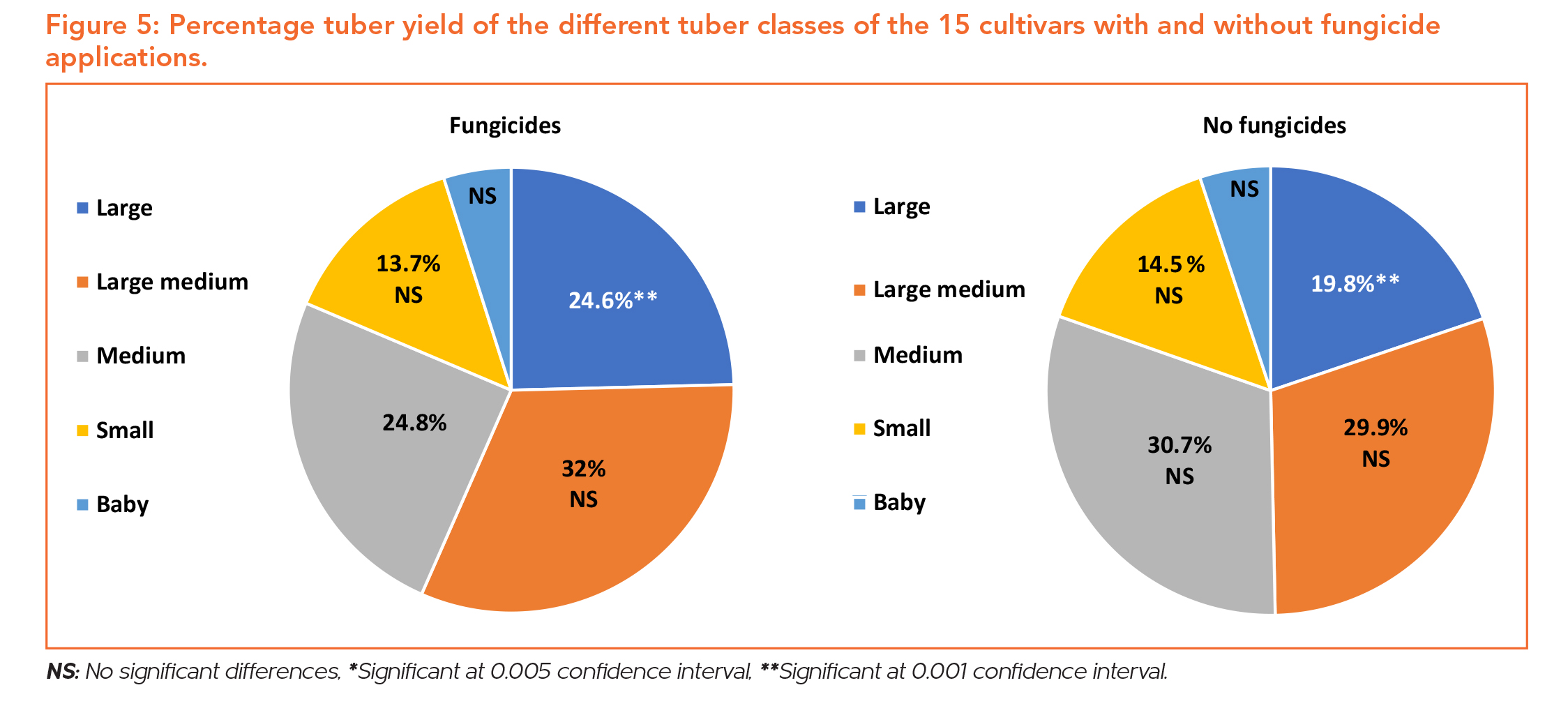
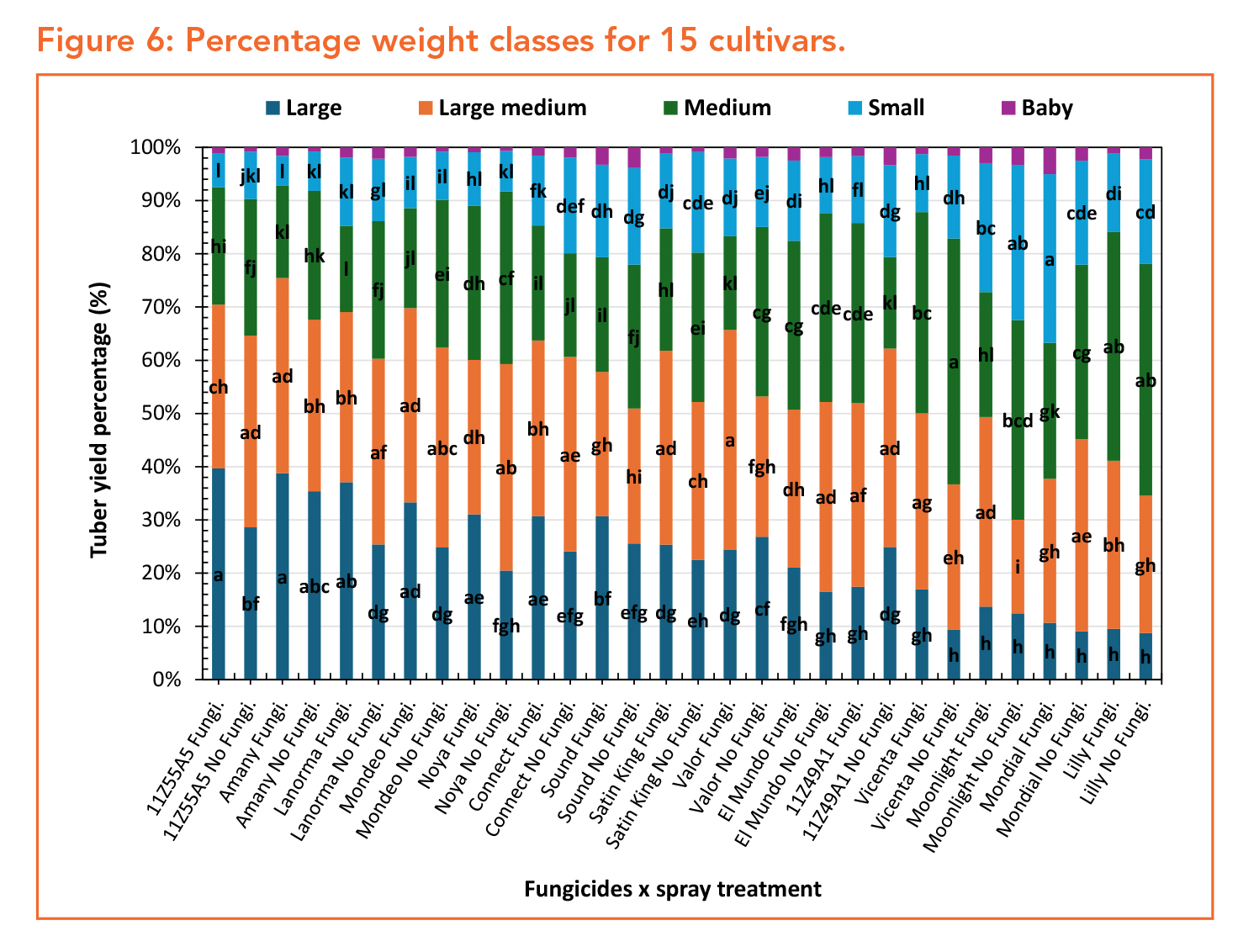
Tuber yield percentages were evaluated for different tuber classes from Large, Large medium, Medium, Small, and Baby for both fungicide-treated and untreated conditions. Concerning tuber yield, only Large and Medium showed significant differences between the fungicides (24.64%) and no-fungicide (19.79%) treatments (Figure 5).
There was a 4.85% tuber yield increase in the Large class when fungicides were applied. No significant differences were measured in the Large medium, Small and Baby classes concerning fungicide application. However, there was a 5.9% decrease in the Medium tuber class when fungicide was applied (Figure 6).
Tuber weight classes
In the Large and Large medium weight classes, there was a 4.85 and 2% increase, respectively (although there was no significant difference between the Large medium class).
There was an overall positive response from some cultivars to fungicide application. Lanorma (11.39%), 11Z55A5 (10.95%), and Noya (10.41%) showed a positive response above 10% to fungicide application for the Large weight class (Figure 6). For the Large medium class, it is not clear why the no-fungicide treatments had a 5.9% increase more than the fungicide treatment.
For the Medium class, cultivars Valor, Moonlight, Mondeo, and Vicenta had significantly higher percentages of 14, 13, 9, and 8%, respectively, in the no-fungicide compared to the fungicide treatments. Mondial was the only cultivar that showed a difference between the fungicides (30%) and no-fungicides (19%) treatments for the Small weight class.
For the Large medium tuber class, Moonlight and Valor showed 17.69 and 14.54% yield increase, respectively, when fungicides were applied.
Specific gravity
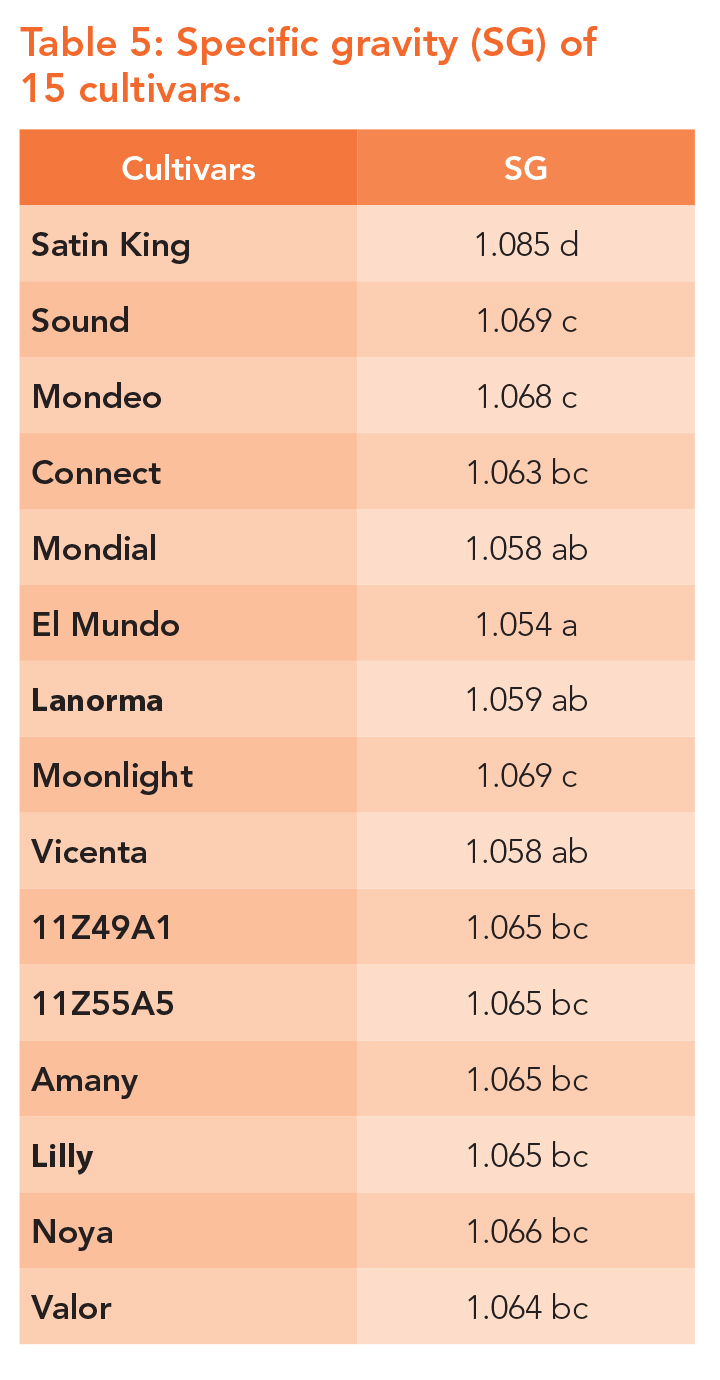
No significant differences in specific gravity (SG) were recorded between the sprayed and unsprayed treatments. However, significant differences (P < 0.001) were recorded between cultivars (Table 5). The lowest SG values were recorded from El Mundo, Mondial, Vicenta, Lanorma, and Connect with SG of 1.054, 1.058, 1.058, 1.059, and 1.063, respectively. There were no significant differences between these cultivars. Satin King was the only cultivar with an SG of 1.085, meeting the acceptable standard for the processing market.
Recommendations
It is recommended that producers plant high-yielding cultivars to meet the yield and quality requirements of their intended markets. Based on this study, high-yielding cultivars with more than 40 t/ha-1 when sprayed with fungicides are recommended.
The following cultivars have shown high mean tuber yields with fungicides treatment:
- Valor (57.08 t/ha-1).
- Moonlight (53.25 t/ha-1).
- Mondial (53.07 t/ha-1).
- Vicenta (51.68 t/ha-1).
- Lilly (50.74 t/ha-1).
- Mondeo (49.19 t/ha-1).
- Noya (46.99 t/ha-1).
- 11Z55A5 (46.76 t/ha-1).
- 11Z49A1 (46.57 t/ha-1).
- Amany (42.82 t/ha-1).
- El Mundo (40.03 t/ha-1).
For financially constrained producers, all high-yielding cultivars (> 40 t/ha-1) treated with fungicides also performed well in the no-fungicide treatments, except for Mondial and 11Z55A5. – By Khethuxolo Mbotho, Archana Nunkumar, James Arathoon and Taslos Magubane, KwaZulu-Natal Department of Agriculture and Rural Development