
Estimated reading time: 6 minutes
In kitchens across South Africa, from bustling street vendors to high-end restaurants, one ingredient continues to prove its worth: the humble potato.
Universally loved and locally produced, potatoes are as much a part of South Africa’s informal food culture as they are of its fine-dining scene. Whether served as soft slap chips at a spaza shop or reinvented as a delicate purée on a five-star tasting menu, potatoes are a staple that crosses over social and culinary boundaries with ease.
Ease and nutrition in a jacket
Despite their simplicity, potatoes are a nutrient-rich whole food. They require minimal processing, are quick to prepare, and contain no additives. Eaten with the skin, they provide fibre, potassium, and a small but high-quality amount of protein.
Their gentle, neutral flavour allows them to act as a blank canvas, absorbing spices and herbs from across South Africa’s multicultural kitchens. They are equally at home in a Cape Malay curry as in a slow-cooked beef potjie, a Durban bunny chow, or served crispy alongside a gourmet burger. Their ability to carry flavour makes them an ally in both traditional and modern dishes, while their affordability ensures they remain accessible to every household.
A footprint worth following
Recent research conducted in South Africa highlights just how valuable potatoes are, not only nutritionally but also environmentally. Among staple crops such as maize meal, bread and rice, potatoes boast the lowest greenhouse gas emissions per nutrient delivered, and the smallest water footprint. Their sustainability credentials make them an appealing option for chefs who are conscious of environmental impact and committed to responsible sourcing. Potatoes offer a smart solution for cooks who want to support food systems that nourish people and the planet without sacrificing taste or quality.
A lesser known fact about potatoes is their extraordinary biodiversity. South Africa alone produces over 80 different potato cultivars, each with its own characteristics, texture, and culinary potential. This diversity is more than agricultural trivia – it is a treasure chest for chefs. From firm, waxy tubers ideal for salads, to fluffy, floury types that melt into creamy mash – the possibilities are endless.
Each cultivar responds differently to cooking methods, and knowing which variety to use can elevate a dish from ordinary to exceptional.
Varieties galore
South Africa’s agricultural landscape makes all of this possible. Potatoes are grown across 16 production regions, from the plateaus of the Free State to the sandy soils of the Sandveld, presenting us with fresh, locally harvested potatoes available all year round. This reliable supply, combined with the spud’s ability to adapt to different soils, climates and water conditions, ensure that chefs have access to consistent quality produce regardless of the season.
Few foods speak as universal a language as the potato does. In South Africa, the iconic slap chip is a cultural institution. It is thicker, softer, and more vinegary than its French cousin, and deeply rooted in the informal food economy. Whether sold outside a school gate, on a street corner in a township, or from a fish and chip shop in a seaside town, slap chips are more than just a comfort food – they are a symbol of everyday life.
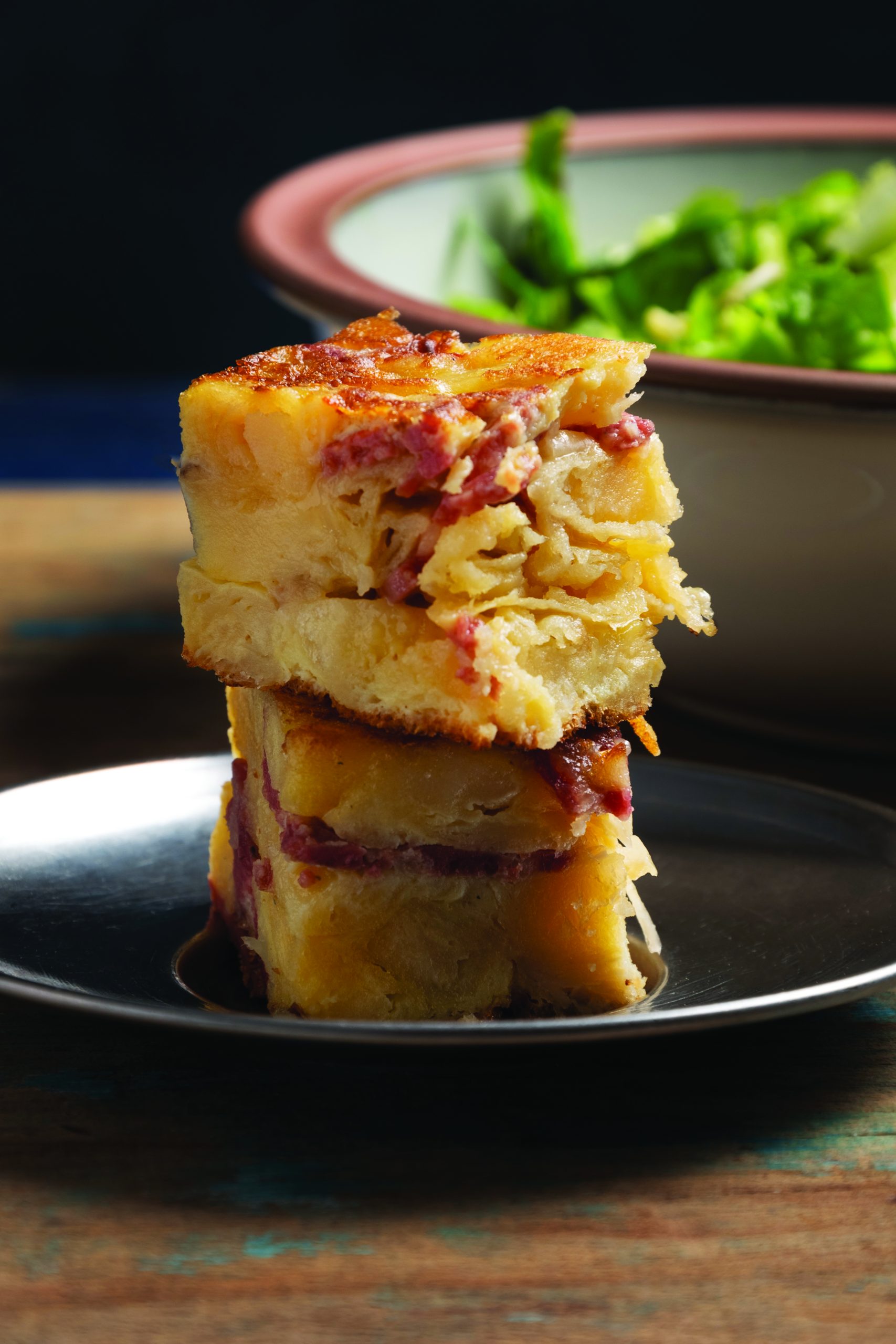
Yet, the same humble potato used to make slap chips can also be transformed into intricately layered terrines, translucent crisps, or flavour-packed espuma. This ability to scale from the street to the chef’s pass is rare and speaks to the potato’s versatility and value.
More importantly, potatoes have the potential to support broader goals in food security and nutrition. In a country where malnutrition and obesity exist side by side, potatoes offer a low-fat, nutrient-dense food option that can contribute meaningfully to dietary diversity. When eaten as part of a balanced meal and prepared in health-conscious ways, they can support both wellbeing and taste.
Research shows that despite their modest protein content, the quality of the protein in potatoes is high and boasts a balanced amino acid profile and excellent digestibility. They also provide important micronutrients such as magnesium and phosphorus, which are often overlooked in modern diets.
For chefs, the potato is more than a pantry staple; it is a culinary tool with incredible range and depth. It rewards both simplicity and innovation. In our current food landscape – one shaped by climate pressure, evolving palates, and the need for affordability – ingredients that are sustainable, adaptable, and nutritious are now more valuable than ever.

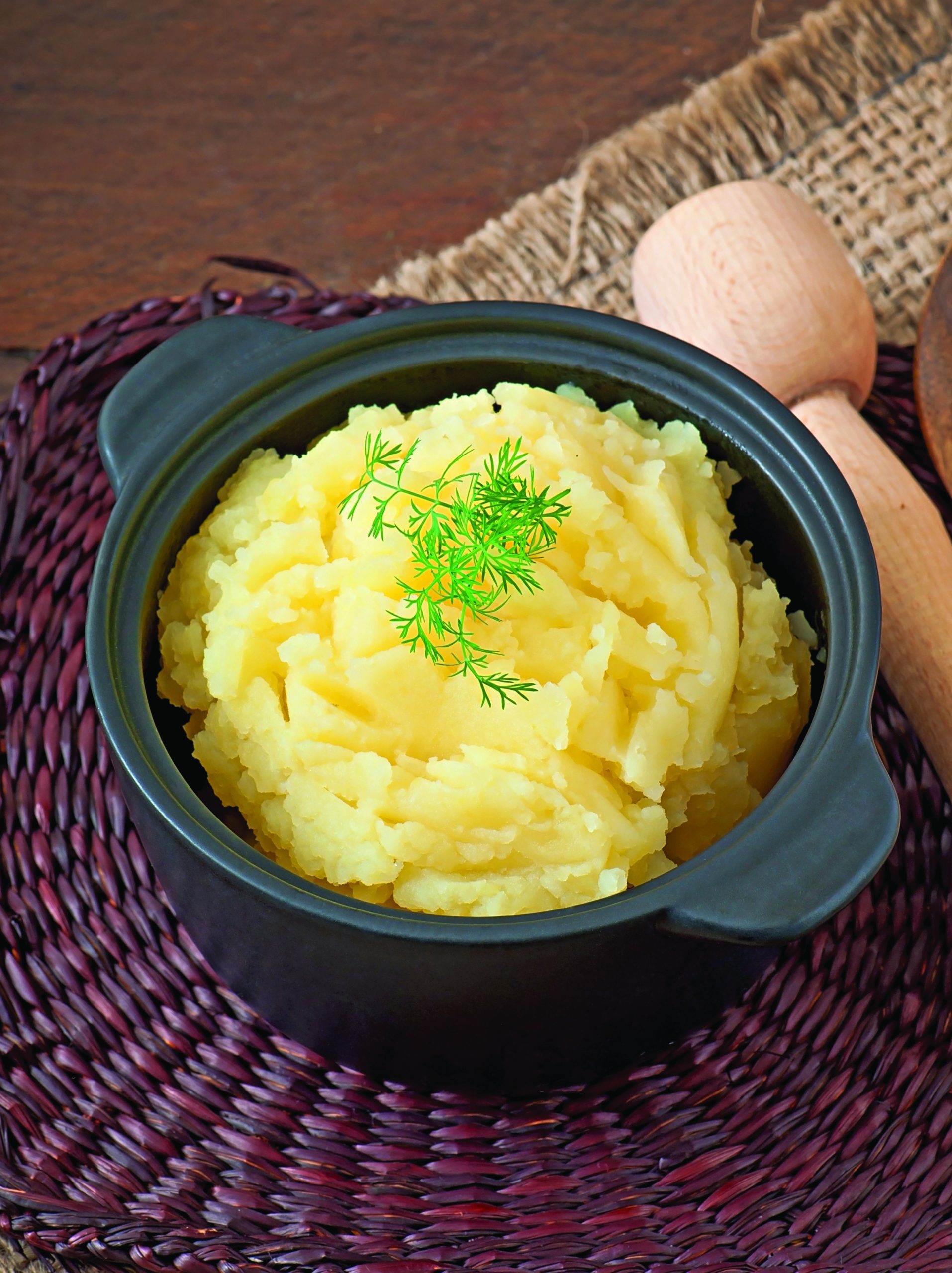
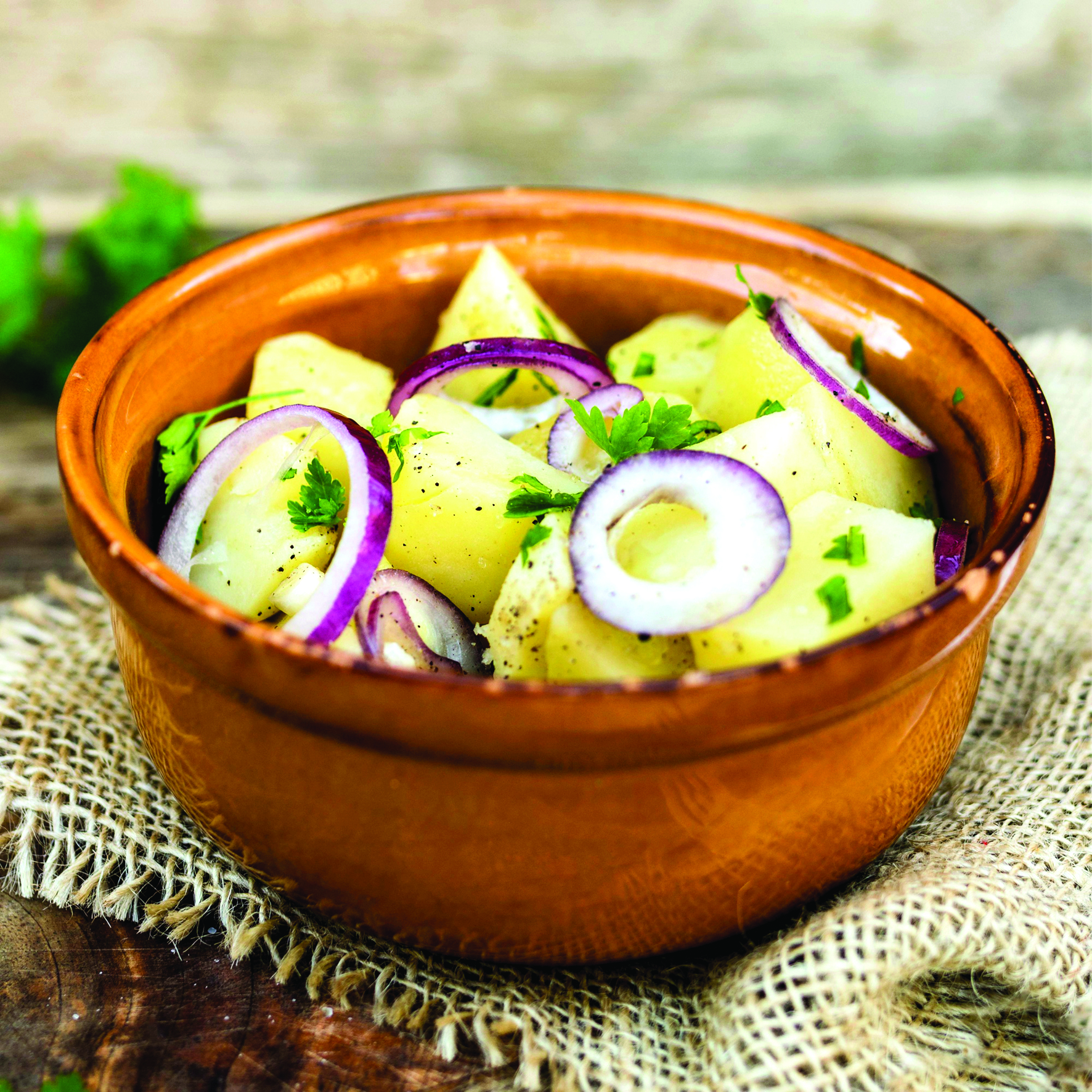
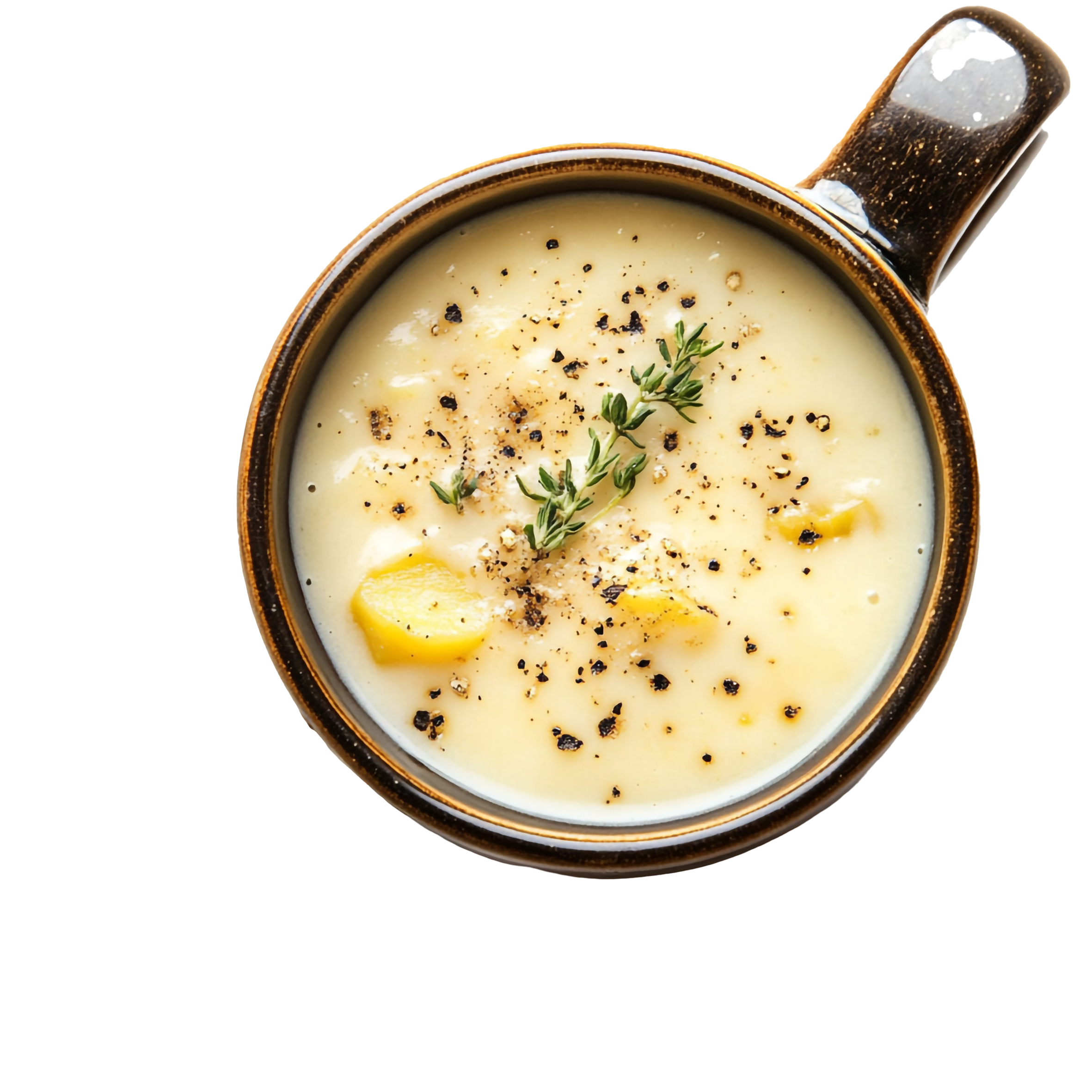
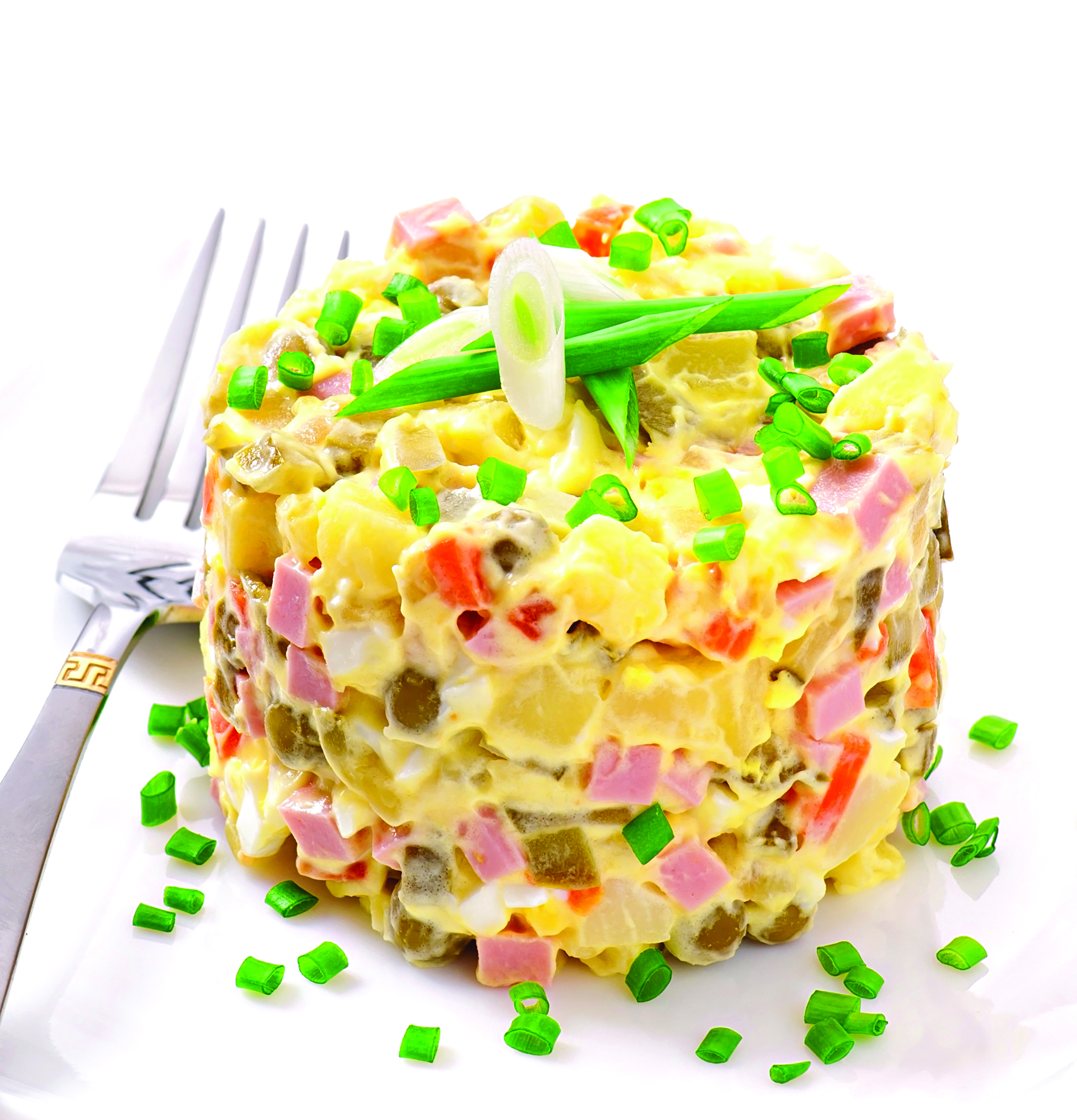
Front and centre
It is time to rethink the place that potatoes enjoy in our kitchens and on our menus. They are not an afterthought or a backup. In fact, they are South Africa’s second most consumed staple for a reason. They are available year-round, affordable, climate-smart, and rooted in local culture, yet capable of being reimagined in the most refined ways.
As chefs and culinary professionals, we are in a unique position to reshape food narratives and elevate ingredients that are as smart as they are satisfying. The potato has always been there, and now it is our turn to help it shine. – Drs Carmen Muller and Beulah Pretorius, and Prof Hettie Schönfeldt, University of Pretoria
For more information and references, send an email to vanniekerk.carmen@gmail.com.